

What Are the Signs of Autism?
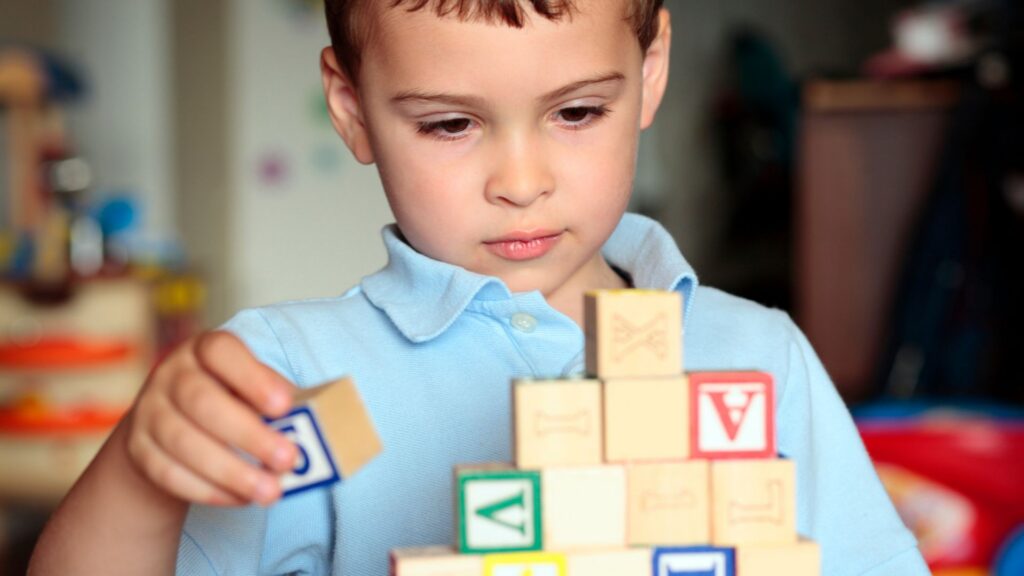
The signs of autism generally involve differences in social communication and interaction, as well as restricted or repetitive behaviors, interests, or activities. Some individuals also experience sensory differences, difficulty with transitions, or highly focused interests. One characteristic alone does not mean someone has autism.
Professionals evaluate the broader developmental picture rather than looking for one specific sign of autism.
Here are some of the characteristics that may be associated with ASD.
Differences in Social Interaction
Social interaction can look different in individuals with autism.
Depending on the person’s age and development, possible differences may include:
- Difficulty interpreting social cues
- Differences in initiating or responding to social interactions
- Difficulty developing or maintaining friendships
- Differences in eye contact, gestures, or facial expressions
- Difficulty adjusting behavior across different social situations
- Preference for solitary activities in some situations
- Anxiety or discomfort in certain social environments
- Difficulty understanding personal space or social boundaries
These characteristics can vary significantly. A child with autism may want friendships and social connection but need additional support to understand how to initiate, maintain, or respond in those interactions.
Communication Differences
Communication differences are another common area considered during an autism evaluation, but they look different for everyone.
Some individuals communicate verbally and have extensive vocabularies. Others may use few spoken words or communicate through augmentative and alternative communication (AAC), gestures, signs, or other methods.
Possible autism symptoms involving communication include:
- Delayed speech or language development
- Repeating words or phrases (echolalia)
- Interpreting language very literally
- Difficulty understanding sarcasm, figurative language, or implied meaning
- Differences in tone, rhythm, or volume of speech
- Difficulty initiating or maintaining back-and-forth conversations
- Talking extensively about a preferred subject
- Difficulty communicating needs, emotions, or experiences
- Differences in coordinating spoken language with gestures or facial expressions
Importantly, differences in communication ability should not be confused with a lack of intelligence, understanding, or desire to communicate.
Repetitive Behaviors or Movements
Repetitive behaviors are included among the core characteristics professionals consider when evaluating autism.
They can include:
- Hand-flapping
- Rocking or spinning
- Repeatedly tapping or manipulating objects
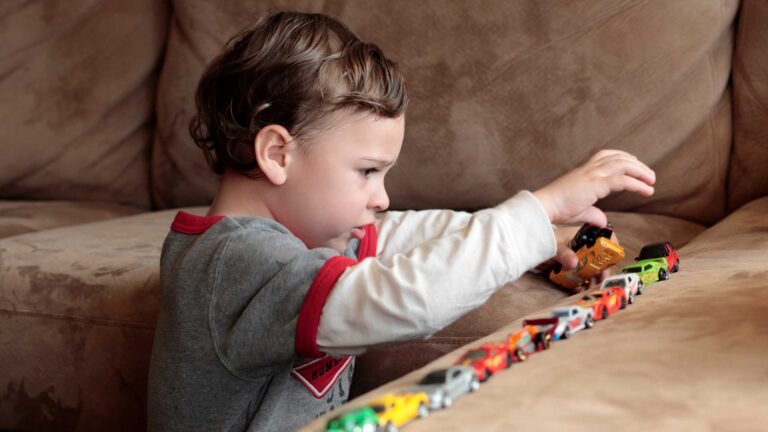
- Lining up toys or other objects
- Repeating words or phrases
- Repeating particular movements or actions
- Becoming highly interested in specific patterns or sequences
These behaviors do not always indicate distress or anxiety. Repetitive movements, sometimes called stimming, can serve different purposes for different individuals, including enjoyment, sensory regulation, excitement, or coping with overwhelming situations.
Parents generally don’t need to stop a harmless repetitive behavior just because it seems unusual; the context and function of the behavior matter.
Sensory Differences
Many individuals with autism experience sensory information differently.
Some may be particularly sensitive to sounds, lights, textures, smells, tastes, temperature, or movement. Others may be less responsive to certain sensory input or actively seek particular sensations.
Sensory differences can include:
- Strong reactions to loud or unexpected sounds
- Discomfort with bright or flickering lights
- Strong preferences or aversions related to clothing textures
- Sensitivity to certain smells or tastes
- Limited food preferences related to texture or sensory characteristics
- Becoming overwhelmed in crowded or noisy environments
- Seeking movement, pressure, or other sensory experiences
- Unusual responses to pain, temperature, or other physical sensations
Sensory differences are not identical across people with autism. The same child may be highly sensitive to one type of input while actively seeking another.
Strong Preference for Routines or Predictability
Some individuals with autism prefer consistency and may struggle with unexpected changes.

What Are the Early Signs of Autism?
Early signs of autism may include differences in social attention, gestures, language, play, responses to others, sensory responses, or reactions to change. Some signs can appear in infancy or toddlerhood, while others become more noticeable as developmental and social expectations grow.
Parents wondering, “What are the early signs of autism?” can use this information to recognize developmental differences and discuss concerns with their child’s pediatrician or another qualified healthcare professional.
Parents should also remember that developmental variation is common. One missed milestone or isolated behavior does not establish an autism diagnosis.
What Are the Signs of Autism in Young Children?
Signs of autism in young children may include:
- Limited or inconsistent response to their name
- Using fewer gestures, such as pointing, showing, or waving
- Differences in eye contact or shared attention
- Delayed speech or language development
- Repeating words or phrases
- Limited back-and-forth social interaction
- Differences in pretend or imaginative play
- Repetitive movements such as hand-flapping, rocking, or spinning
- Repeatedly lining up or arranging objects
- Becoming distressed when routines or familiar patterns change
- Strong or unusual reactions to sounds, textures, tastes, lights, or other sensory experiences
- Highly focused interests
- Differences in how a child interacts or plays with other children
Additional signs of autism in young children include loss of previously acquired skills. If a child stops using words, gestures, social behaviors, or other skills they previously demonstrated, parents should discuss that change with a healthcare professional.
Does One Sign of Autism Mean a Child Has ASD?
No. A single sign of autism does not establish that a child has autism spectrum disorder. Clinicians diagnose autism by evaluating a pattern of developmental characteristics, including social communication and interaction and restricted or repetitive behaviors. Clinicians also consider developmental history and how these characteristics affect everyday functioning.
For example, delayed speech can occur in children who do not have autism. A child may dislike loud sounds without meeting DSM-5 ASD criteria. Another child may prefer routines but otherwise demonstrate development that does not suggest autism.
That is why online checklists and screening tools shouldn’t be treated as diagnostic tests.
If a child shows several autism symptoms, isn’t meeting developmental milestones, or parents have developmental concerns, speaking with a pediatrician or qualified autism professional can help determine whether additional screening or evaluation is appropriate.
When Should Parents Seek an Autism Evaluation?
Parents should consider discussing an autism evaluation with a healthcare professional when they notice persistent developmental differences involving communication, social interaction, repetitive behaviors, sensory responses, or other areas of development. Parents do not need to wait until every possible sign of autism is present before asking questions.
The American Academy of Pediatrics (AAP) recommends that all children be screened for developmental delays and disabilities during regular well-child visits at 9, 18, and 30 months, and specifically for autism spectrum disorder (ASD) at 18 and 24 months. Developmental screening can help identify children who may benefit from additional evaluation.
A formal autism evaluation typically considers multiple sources of information rather than relying on a single symptom or test. Depending on the child’s age and needs, clinicians may review developmental history, caregiver observations, behavior, communication, social interaction, and standardized assessment results.
An evaluation can help families better understand a child’s developmental profile and determine what types of support, if any, may be beneficial.
Why Does Recognizing Early Signs of Autism Matter?
Recognizing early signs of autism can help families access developmental evaluation and appropriate support sooner. Early childhood is a key period of learning and development, and identifying a child’s specific communication, social, behavioral, or adaptive needs can help families determine which services may help.
Early identification can provide families with information about their child’s development and connect them with resources that support communication, daily living skills, learning, independence, and participation in everyday activities.
Support should always reflect the individual child’s needs rather than assuming every child with autism requires the same services.
How Can ABA Therapy Support Children with Autism?
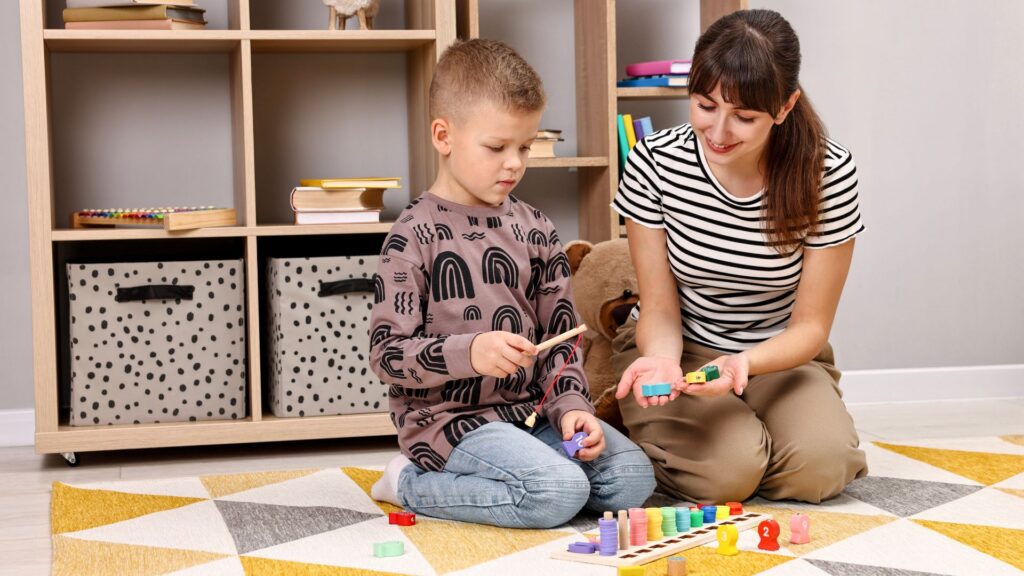
ABA therapy can help children with autism develop individualized skills related to communication, independence, social participation, daily routines, and other areas that affect everyday life. Treatment goals should be based on the child’s strengths, needs, and family priorities rather than simply reducing autism symptoms.
Applied Behavior Analysis (ABA) uses learning and behavior principles to teach meaningful skills and understand what influences behavior.
At ABA Centers of America, we develop individualized treatment plans. Depending on the child, ABA goals might include:
- Communicating wants and needs
- Developing greater independence with everyday activities
- Learning skills for transitions and routines
- Building functional social and play skills
- Developing safer alternatives to risky behaviors
- Learning strategies for participating in home, school, and community activities
Parents and caregivers can also participate in treatment to practice strategies and skills in everyday situations.
Recognizing Autism Symptoms Is the Beginning, Not a Diagnosis
Autism symptoms vary considerably, and no single behavior can tell parents whether their child has ASD. Looking at the broader pattern of signs of autism, including communication, social interaction, repetitive behaviors, sensory differences, routines, and development, can help families recognize when it may be time to seek professional guidance.
If you have noticed signs of autism in your young child, you do not need to determine the answer by yourself or wait until the signs become more pronounced.
ABA Centers of America provides autism diagnostic services as well as individualized ABA therapy and early intervention services for eligible children and families.
Call (844) 923-4222 or contact us online to learn more about autism evaluations and support available for your family.