
Why Isn’t My Toddler Talking Yet?

Why isn't my toddler talking yet

Table of Contents

What does it mean when a toddler isn’t talking yet?

You call your child’s name. No response.
You point to a toy for your child to notice, but they keep playing alone. At the playground, other toddlers babble, saying “mama,” “ball,” or “more.” Your child is quiet.

If you’re wondering, “Why isn’t my toddler talking yet?”, you’re not alone. Asking that question is an important first step toward understanding your child’s needs.

What does it mean when a toddler isn’t talking yet?

A toddler may not talk yet due to typical variation, late language emergence, or conditions like hearing issues, developmental delays, or autism. The key is recognizing if communication skills are progressing or if early support is needed.

In this blog by ABA Centers of America, we will explain the differences between developmental delay vs autism.

Why Isn’t My Toddler Talking Yet?

Parents often ask, “Why isn’t my toddler talking yet?” expecting a simple answer. In reality, language development sits on a spectrum.

Some toddlers are considered “late talkers,” a term used by the American Speech-Language-Hearing Association to describe children with delayed speech but otherwise typical development. While some may catch up over time, others do not. This is different from cases where speech delay is part of broader developmental concerns.

Studies by the Sultan Qaboos University Medical Journal show that while some late talkers develop typical language skills over time, others continue to experience communication challenges into school age. 

When parents ask, “Why isn’t my toddler talking yet?” the real focus should be: Is this a typical delay or a sign your child needs support?

When Should a Toddler Start Talking?

Understanding when a toddler should start talking helps you recognize what’s typical—and what deserves a closer look.

Most children:

  • Say their first words around 12 months 
  • Use 10–50 words by 18 months 
  • Combine words (“more milk”) by age 2 

If your 18-month-old isn’t talking, it doesn’t automatically mean something is wrong. Children develop at different rates. However, a limited vocabulary or lack of gestures at this age may signal that an evaluation is worth considering

Remember: Speech delay alone isn’t the issue—overall communication matters most.
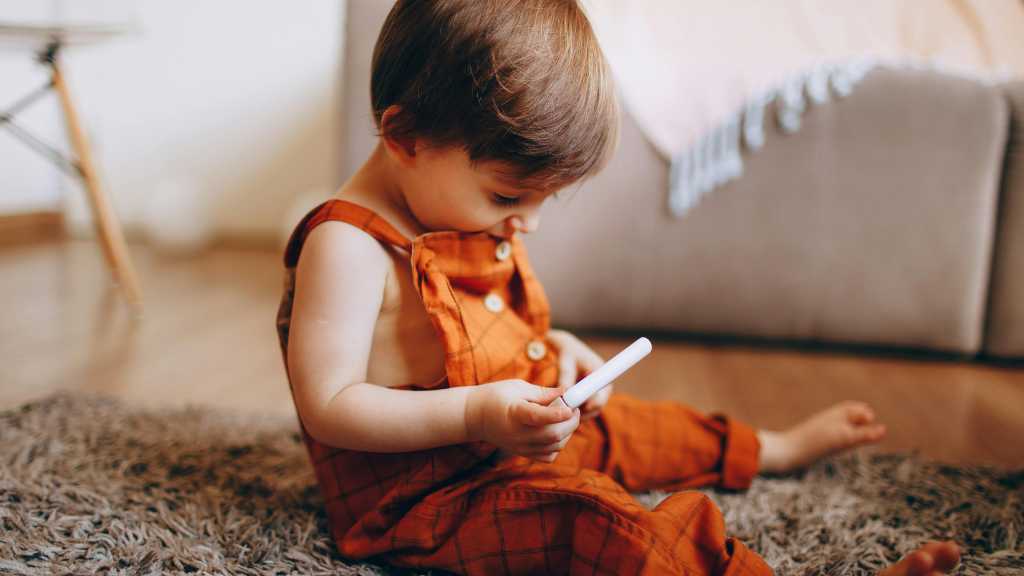
Toddler quietly playing alone holding object late talker signs

Developmental Delay vs Autism: What’s the Difference?

This is where many families feel stuck.

When asking “Why isn’t my toddler talking yet?”, it’s natural to worry about developmental delay vs autism.

A speech delay might look like:

  • Understanding language but not speaking much 
  • Using gestures (pointing, waving) 
  • Showing interest in interaction 

Autism-related communication differences may include:

  • Limited eye contact 
  • Not responding to their name 
  • Little or no pointing or shared attention 
  • Repetitive behaviors or restricted interests 

Clinicians note that the main distinction between speech delays and autism is social communication, not just speech. Children with speech delay may still engage in typical social interactions, while those with autism often show differences in their responses to social cues.

That’s why simply “waiting it out” can sometimes delay the support a child needs.

Why Some Toddlers Don’t Talk Yet

If you’re still wondering, “Why isn’t my toddler talking yet?”, here are the most common evidence-based reasons:

  1. Late Language Emergence

Some children develop language later without underlying conditions. However, research shows that a subset will continue to have language or learning differences later in life.

  1. Hearing or Processing Differences

Even mild hearing challenges can affect how a child learns words and sounds.

  1. Environmental Factors

Limited exposure to conversation or interaction can slow language, but it is rarely the only cause.

  1. Neurodevelopmental Differences (Including Autism)

Language delays are often one of the earliest signs of autism, especially when paired with social communication differences.

The Journal of Speech, Language, and Hearing highlights that early identification significantly improves outcomes, particularly when intervention begins before age 3.

Signs to Watch Closely

Parents often revisit the question, “Why isn’t my toddler talking yet?” when they notice patterns like:

  • No words by 18 months 
  • Not pointing or showing objects 
  • Limited eye contact 
  • Not responding to their name 
  • Preferring to play alone 
  • Losing words they previously used 

These signs don’t confirm a diagnosis—but they do signal the need for evaluation.

Parent reading to toddler speech development support early language skills

Why Early Action Matters More Than Waiting

Many families hear, “Let’s wait and see.”

But current research—and real-world outcomes—tell a different story.

A Drexel University study found that early intervention helps most children with autism develop spoken language, especially when therapy starts in toddlerhood.

Similarly, BMJ Journals developmental research confirms that early support improves communication, adaptive skills, and long-term independence.

So, when you ask, “Why isn’t my toddler talking yet?” focus on: What action helps now?
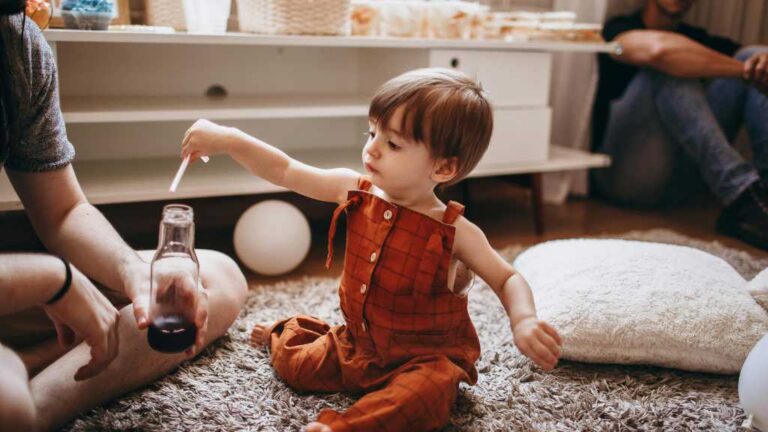
What You Can Do Today

You don’t need to have all the answers. But you can take clear, effective steps:

  1. Talk to Your Pediatrician

Share specific concerns—not just “they’re not talking,” but what you observe daily.

  1. Request a Developmental Screening

Early screenings can identify whether your child shows signs of a developmental delay vs autism.

  1. Seek a Comprehensive Evaluation

A full assessment looks at speech, social communication, and behavior—not just vocabulary.

  1. Start Early Intervention

If your child qualifies, starting therapy early can significantly improve outcomes.

Guidance from speech-language experts emphasizes that early therapy supports both communication and social connection, not just speech production.

How ABA Centers of America Can Help

If you’re asking, “Why isn’t my toddler talking yet?”, you shouldn’t have to wait months for answers.

At ABA Centers of America, families receive:

  • Fast, comprehensive autism evaluations (no long waitlists) 
  • Early intervention programs tailored to toddlers 
  • ABA therapy focused on communication, social skills, and daily living 
  • Ongoing support for parents navigating next steps 

We understand this moment is overwhelming. Your awareness matters.

You’re Not Overreacting—You’re Paying Attention to What Matters

Many parents second-guess themselves.

“Maybe I’m worrying too much.”
“Maybe they’ll catch up.”

Asking, “Why isn’t my toddler talking yet?” means advocating for your child—not overreacting.

You know your child better than anyone.

If something feels off, trust that instinct—and take the next step.

Whether it’s a speech delay or something more, early support can change your child’s path in meaningful, lasting ways.

Talk to Someone Who Can Help

If you’re concerned about your child’s communication or development, reach out to ABA Centers of America at (844) 923-4222 or fill out our online form.

We’re here to answer your questions, guide you through evaluations, and help your child build the skills they need—one step at a time.

Discover how our autism treatment services can help you.

Get Social With Us

Related Posts

Is my 18-month-old behind sensory play toddler development skills at home

Is My 18-Month-Old Behind?

Is my 18-month-old behind? If your toddler isn’t talking, walking, or engaging like others their age, you’re not alone—and it’s worth a closer look. Discover ...
Read More →
Celebrating World Autism Awareness Day and Month in 2025!

Celebrating World Autism Awareness Day and Month in 2026!

Every April, the world unites to recognize and support individuals living with autism spectrum disorder (ASD) during World Autism Awareness Day and World Autism Month.
Read More →
Children playing soccer on a grassy field, representing athletes with autism and the benefits of autism in sports

Athletes with Autism: Benefits of Sports and How to Support Young Athletes

Athletes with autism spectrum disorder (ASD) are becoming increasingly visible in sports, broadening public understanding of neurodiversity and various paths to athletic success. Many families ...
Read More →
Children playing with toy trains as an example of special interests in autism

Special Interests in Autism: Understanding Focused Passions in the Autistic Brain

Special interests in autism are more than hobbies; they are powerful learning pathways. In this guide, discover autism special interests examples, the science behind focused ...
Read More →
Scroll to Top