


Table of Contents
What Is Included in an Autism Assessment Report?
Receiving an autism diagnosis can feel like stepping into a room full of new words, new decisions, and new emotions all at once. You may leave the appointment holding a long document, trying to process what the clinician said while also thinking about school, therapy, insurance, family questions, and your child’s future. An autism evaluation report can feel clinical at first, but it is meant to become a roadmap.
When parents receive the document, they may wonder, “What is included in an autism assessment report?” An autism assessment report usually includes developmental history, parent concerns, direct observations, diagnostic criteria, standardized testing results, behavior patterns, communication strengths and challenges, adaptive skills, diagnostic impressions, and recommendations for therapies, school supports, and next steps.
For families in Virginia, understanding an autism evaluation report can help them move from “What does this mean?” to “What do we do next?” The report does not define your child. It helps explain how your child learns, communicates, connects, and reacts to sensory input and may need support in everyday life.
In this blog, ABA Centers of Virginia explains how to read an autism evaluation report, understand the information it includes, and use it to make confident next steps for your child’s care. You’ll learn what the report means, why each section matters, and how it can guide decisions about diagnosis, early intervention, and ABA therapy.
Why the Autism Evaluation Report Matters
An autism evaluation report does more than confirm whether a child meets criteria for autism spectrum disorder (ASD). It gathers the “whole child” picture: what caregivers notice at home, what clinicians observe during the evaluation, how the child communicates, and how daily routines may feel for them.
The CDC explains that an autism diagnosis typically relies on both caregiver descriptions of development and professional observation of behavior, rather than a single test. That matters because many children act differently at home, school, and in a clinic. A strong report should clearly connect those pieces, using clinical testing and diagnostic guidance for autism spectrum disorder as part of the diagnostic framework.
Your child’s assessment report may also help unlock services. Schools, insurance plans, ABA therapy providers, speech therapists, occupational therapists, and pediatric specialists may use the report to understand what supports your child needs. When parents ask what to do after an autism diagnosis, the report often becomes the starting point for those decisions.

Autism Evaluation Report: How to Read the Main Sections
Most reports follow a similar structure, even if the wording varies by provider. Start with the referral question. This section explains why the evaluation happened. It may mention concerns such as delayed speech, limited eye contact, repetitive play, sensory sensitivities, difficulty with transitions, or challenges playing with peers.
Next, read the developmental history. This section may include pregnancy and birth history, early milestones, language development, sleep and eating, medical history, behavior concerns, and family observations. For many parents, this section can feel emotional because it puts months or years of concerns into writing.
Then look for the evaluation methods. The clinician may use interviews, behavior rating scales, direct observation, cognitive testing, adaptive behavior measures, speech-language information, or autism-specific tools. The National Autistic Society notes that autism assessments may use DSM-5 criteria, along with tools that help clinicians organize observations and caregiver information; these tools support clinical judgment but do not replace it.
An autism evaluation report should also explain whether your child meets diagnostic criteria. In the United States, clinicians commonly use DSM-5 criteria. These criteria focus on differences in social communication and on restricted or repetitive behaviors, interests, or sensory responses. Autism Speaks provides a parent-friendly overview of the DSM-5 diagnostic criteria for autism, including the areas clinicians consider when making a diagnosis.
Understanding Scores Without Getting Lost in Numbers
Many parents open the assessment report and immediately see standard scores, percentiles, age equivalents, or severity levels. These numbers can help, but they do not tell the whole story.
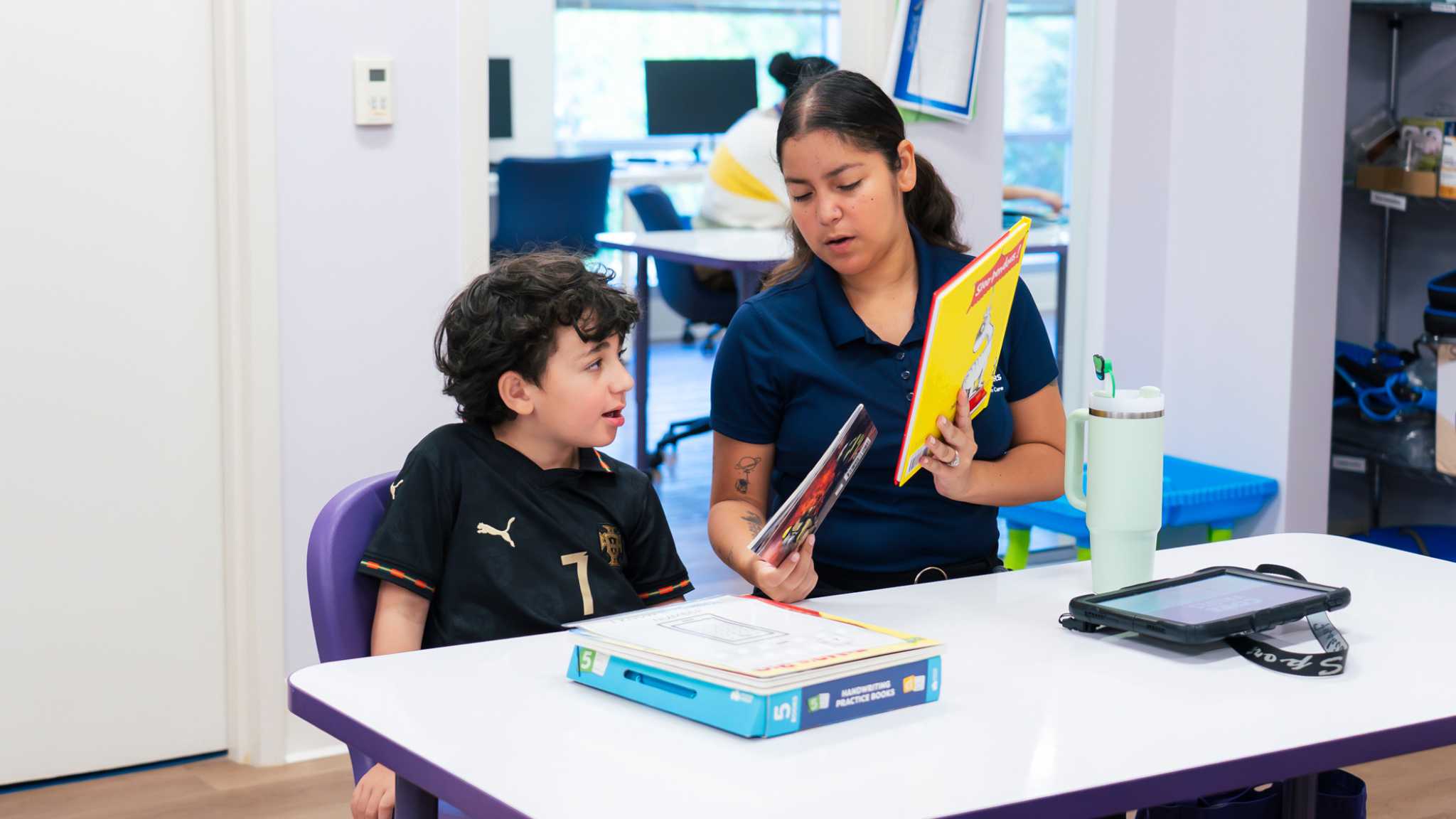
A score may show how your child performed on a specific task on a given day in a given setting. It may not capture how your child communicates with a sibling, handles a noisy grocery store, melts down after preschool, or shares joy with a favorite toy. This is why the narrative sections matter so much.
When reading the assessment report, look for patterns. Does your child understand more language than they can express? Do they use words but struggle with back-and-forth conversation? Do they do well with routines but become overwhelmed by changes? Do they show strong memory, visual learning, music interest, or problem-solving skills?
An autism evaluation report should help you understand both needs and strengths. A helpful report does not only list deficits. It should describe what motivates your child, what helps them regulate, how they communicate best, and where support can build independence.

Assessment Report: What It May Say About Support Needs
The phrase “assessment report” can sound formal, but its primary purpose is practical. It should answer the question: What helps this child function, learn, and feel safe?
Some reports include autism severity levels, sometimes described as Level 1, Level 2, or Level 3 support needs. These levels do not rank a child’s worth or potential. They describe the extent of support a child may need for social communication and for restricted or repetitive behaviors.
Your child’s assessment report may also mention adaptive behavior. This means daily living skills such as dressing, eating, toileting, safety awareness, communication, and participation in routines. Adaptive skills often play a significant role in treatment planning because they affect everyday family life.
The American Psychological Association emphasizes evidence-based evaluation approaches, early screening and diagnosis, and careful attention to co-occurring conditions that may affect a child’s profile. This review highlights that autism evaluation should look beyond a label and consider the broader developmental picture.
As you review the assessment report, highlight recommendations that require action. These may include ABA therapy, speech therapy, occupational therapy, school-based evaluation, developmental pediatrics follow-up, discussion of genetic testing, or parent coaching.
What to Do After an Autism Diagnosis
Many families search for what to do after an autism diagnosis before they have even finished reading the report. That reaction makes sense. A diagnosis can bring relief, grief, validation, confusion, and urgency all at once.
Start by requesting a feedback session if you did not receive one. Ask the evaluator to explain the diagnosis, the scores, and the recommendations in plain language. Bring the autism evaluation report with you and mark anything that feels unclear.
Next, organize your next steps into a short, manageable plan:
- Share the report with your pediatrician and ask which referrals should happen first.
- Contact your child’s school or early intervention program if your child needs educational supports.
- Explore ABA therapy, speech therapy, occupational therapy, or parent training based on your child’s needs.
- Keep a folder with the assessment report, insurance documents, school records, and therapy recommendations.
- Write down your biggest home concerns, such as sleep, safety, communication, transitions, or daily routines.
If you are wondering what to do after an autism diagnosis, remember that you do not need to solve everything in one week. You need a first step, then the next one.
What to Do After an Autism Diagnosis: How ABA Therapy Can Help
When parents ask what to do after an autism diagnosis, ABA therapy often becomes part of the conversation because it focuses on teaching meaningful skills through structured, individualized support. ABA therapy can help children build communication, daily living skills, social participation, play skills, flexibility, and safer behavior.
ABA therapy should not try to erase who your child is. It should help your child communicate needs, tolerate necessary routines, participate in family life, and gain skills that reduce frustration. Parent involvement also matters. Caregivers need strategies they can use during real moments: getting dressed, leaving the house, brushing teeth, waiting, eating, playing, and recovering after overload.
The Association for Science in Autism Treatment review of the American Academy of Pediatrics guidance emphasizes evidence-based intervention, family collaboration, and attention to co-occurring needs when supporting children with autism. That perspective can help families think about the identification, evaluation, and management of children with autism spectrum disorder as an ongoing process, not a one-time appointment.
For families still asking what to do after an autism diagnosis, the best next step often starts with the recommendations section of the assessment report. Use it to ask providers specific questions, such as: What should we prioritize first? How many therapy hours make sense? What goals match our child’s current needs? How will we measure progress?
Turning the Autism Evaluation Report Into a Plan
An autism evaluation report can feel overwhelming because it carries so much weight. Try reading it in layers. First, read the diagnostic summary. Then read the recommendations. Then return to the detailed testing sections when you have more emotional space.
The assessment report may describe challenges your child faces, but it should also point toward support. It can help you advocate for services, understand your child’s learning style, and explain your child’s needs to relatives, teachers, therapists, and physicians.
If you still feel unsure what to do after an autism diagnosis, choose one practical action today: schedule a pediatrician follow-up, contact an ABA provider, request school support, or ask the evaluator for clarification. Small steps count.
ABA Centers of Virginia Can Help You Move Forward
You have already done something important by seeking answers. Reading an autism evaluation report, asking questions, and looking for support all show how hard you are working for your child.
ABA Centers of Virginia supports families through diagnostic testing, early intervention, and ABA therapy designed around each child’s needs. Whether you are waiting for an evaluation, reviewing an assessment report, or wondering what to do after an autism diagnosis, our team can help you understand the next step and build a care plan that feels clear, compassionate, and actionable.
Call ABA Centers of Virginia today at (855) 957-1892 or connect with us online!
Your child is more than a diagnosis. The right support can help them communicate, learn, participate, and grow with greater confidence.