


In-Home ABA Therapy for Autism
ABA Centers of America is committed to providing families with unparalleled support for people with Autism Spectrum Disorder. We realize the time constraints and other real-life burdens of traveling to an ABA therapy center. Yet, you want to do everything you can to help your loved one with autism. We want the person with autism to be involved in the direction of their treatment, and we look to teach self-advocacy skills in therapy.
In addition to sessions at our ABA therapy treatment center, our autism-care therapists can bring their expertise to the environment where the client is most comfortable—home. After all, home is where most of the challenges arise. It makes sense to address issues where they normally occur. Our therapists are well trained to fit into the home and family environment. And ABA Centers of America has the resources and flexible autism treatment programs to provide as much therapy as your family needs.

ABA Centers of America Works Toward the Following Goals
Learning critical life skills
Alternatives to unwanted behavior

Building up inherent strengths
Developing social and communication skills
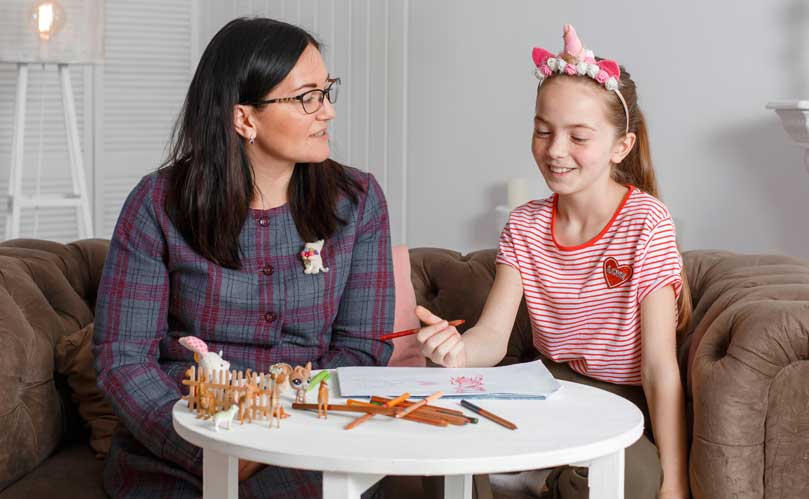
How Does Our In-home ABA Therapy Work?
First, our Board Certified Behavior Analyst (BCBA) will meet with the client’s caregivers to discuss developmental history, medications and any previous therapy. This is the time to talk about goals for the client: what you want them to improve and any behavior you’d like to change (aggression, self-injury, tantrums, etc.).
The BCBA observes the client during their regular daily schedule to accurately gather data on behavior, caregiver responses and any other influences.
Based on an analysis of the interviews and observed behavior, the BCBA will develop a recommended treatment plan to address the agreed-upon goals for the client.
Next, the BCBA will choose the right Registered Behavior Technician (RBT) from our team to work directly with the client and caregivers. The RBT is the person who will be delivering therapy in your home on a schedule that suits everyone’s needs.
During the course of the ABA therapy, the BCBA will continually analyze data from progress reports and make any recommended changes to your program. Our autism treatment therapy is flexible and dynamic to suit the needs of the client and the goals of the caregivers. We can include many different environments that are relevant to the client.
Family Role in ABA Therapy
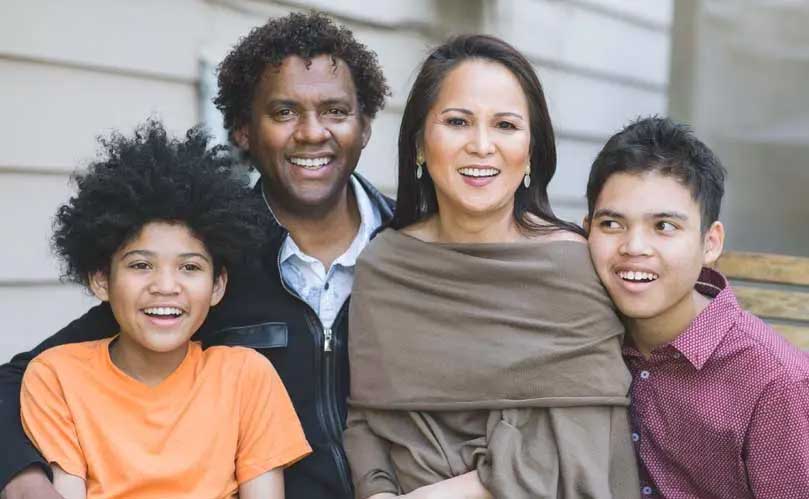
Your RBT will be spending a lot of time with your family. You and your family should continue with your daily lives. And while you should let the client and therapist work uninterrupted, you don’t need to isolate anyone, stay quiet or leave home. On the contrary, caregivers need to be present in the home during the therapy schedule. We also encourage participation from other members of the household, such as siblings. We may recommend separate sessions for caregiver, family or parent training.
What to Expect
ABA Centers of America doesn’t believe in a “one-size-fits-all” treatment program. Our clients are individuals, and each of them is experiencing the world in a unique way. Our therapy plans are always customized, and they allow clients to work toward mutually agreed-upon goals.
A typical course of ABA therapy involves 20-40 hours a week for 1-3 years. ABA therapy programs are designed by our Board Certified Behavior Analysts (BCBAs) and conducted by our Registered Behavior Technicians (RBTs). Both are governed and licensed by the Behavior Analyst Certification Board (BACB).
ABA Therapy for toddlers, children and adolescents may include emphasis and positive reinforcement on:
- Communication skills
- Potty training
- Sitting
- Social skills
- Self-care
- Getting dressed
- Playing
- Safety
- Attention and focus
- Parent training
Our ABA therapy for adults is geared toward:
- Independent living skills
- Handling social gatherings
- Cooking and cleaning
- Workplace training
- Health management
- Cognitive ability
Other Available Services
Autism Diganosis / Autism Testing
ABA Centers of America offers thorough autism screening, autism testing, and autism diagnosis.
Clinic Services
Our center for autism care is a good environment for ABA Therapy when in-home treatment is not convenient. Our therapists make sure clients are comfortable and see our clinic as a place where they come to learn from friends.
Telehealth
We can work with clients and families to create an effective remote program or a hybrid with some telehealth and some in-person behavioral therapy
Caregiver Training
For one to two hours a week, you’ll absorb the basics of Applied Behavior Analysis Therapy as you work with your ABA specialist and your child. We emphasize “caregiver” in our training programs because we feel it’s essential to work with anyone and everyone who is a significant presence in the child’s life.
Community Life Skills
We provide training that helps people with autism deal with the demands of daily life. The training often involves real-life settings like the grocery store or a social outing to help people with autism function with as much independence as possible.
Frequently Asked Questions
How does ABA therapy work when the sessions happen in my home?
In-home ABA therapy brings a trained autism specialist directly into your child’s everyday environment. A Board Certified Behavior Analyst (BCBA) evaluates your child, creates a personalized plan, and a therapist works on communication, behavior, and daily living skills during regular visits. Therapy often uses real routines—like playtime, meals, or getting dressed—so children practice skills where they naturally occur. This approach helps learning carry over into daily family life more effectively.
Is in-home ABA therapy better than going to the center?
The best setting depends on your child’s needs, but many families choose home-based sessions because learning happens in a familiar environment. When therapy takes place at home, therapists can address behaviors that occur during real routines like bedtime or mealtime. Some parents ask whether therapy at home works as well as a center or if their child will miss social practice. In many cases, families combine both settings, so children benefit from structured learning and real-life practice.
Does insurance cover ABA therapy at home in Massachusetts or New Hampshire?
During in-home ABA therapy, parents and caregivers observe sessions, learn strategies from the therapist, and practice techniques that support their child’s goals. Parents are not required to lead therapy, but their involvement is necessary reinforce positive behaviors, improve consistency, and support skill development throughout daily routines.
How many hours a week do kids usually receive ABA therapy at home?
The number of weekly therapy hours depends on your child’s evaluation and developmental goals. After the initial assessment, a BCBA recommends an individualized schedule that might include shorter sessions several days a week or a more intensive program spread across the week. Early intervention plans can involve multiple therapy blocks to support communication, social skills, and daily routines while still fitting around school and family schedules.
How quickly can my child start receiving ABA therapy?
Many families begin the process by scheduling a consultation and completing an assessment with a BCBA. Once insurance authorization and evaluations are complete, therapy can start as soon as a therapist is assigned to your family. Some parents ask how long the waitlist is for autism therapy or how quickly in-home services can begin. Access varies by provider, but some programs serving Massachusetts and New Hampshire families aim to reduce delays and begin care quickly.
What kinds of skills can my child learn through therapy at home?
In-home ABA therapy focuses on skills that make everyday life easier and more independent. Therapists commonly work on communication, social interaction, attention, safety awareness, and daily routines such as dressing or toileting. Because sessions happen in the child’s own environment, therapists can teach skills during natural activities like play, meals, or transitions between tasks, helping children apply what they learn outside of structured therapy time.
Do parents need to be involved during in-home ABA sessions?
Parent involvement is encouraged and often built into the therapy plan. During in-home ABA therapy, caregivers may observe sessions, practice strategies with the therapist, or receive coaching on how to support skill development between visits. Many programs also include regular caregiver training, so parents feel confident continuing the same learning techniques during everyday routines and family activities.
What’s the difference between in-home ABA therapy and center-based treatment?
The main difference is the learning environment. In-home ABA therapy happens where your child lives and focuses heavily on real-life routines and family interaction. Center-based programs, on the other hand, provide structured therapy spaces and opportunities for peer interaction. Many providers offer both options, allowing families to choose the setting that fits their child’s goals or combine approaches for a more comprehensive program.
Is ABA therapy only for young children?
ABA therapy can support individuals with autism at many stages of life. While early intervention for toddlers and preschoolers is common, therapy programs can also help school-age children and teens build communication, social skills, and independence. Treatment plans are customized for each child’s age, strengths, and goals rather than following a single standard program.
How do I find in-home ABA therapy near me in Massachusetts or New Hampshire?
Families can start by contacting an autism therapy provider like ABA Centers of America that serves their local area and requesting an intake consultation. We offer in-home ABA therapy in multiple communities and coordinate services with local clinicians and therapists. A consultation usually reviews your child’s diagnosis, insurance coverage, and scheduling needs before developing a personalized therapy plan.