


What is Elopement in Autism?

Elopement is a dangerous behavior some individuals with autism spectrum disorder exhibit. It involves leaving the safety of a familiar location or person without consent or proper consideration for risks. It is often associated with individuals who are nonverbal or lack adequate language skills to communicate needs, such as distress.
Elopement behaviors can communicate an individual’s need to escape a social situation, access a highly preferred object or activity, or avoid an unwanted demand. Unfortunately, elopement can lead to many long-term consequences. These severe outcomes can be physical injury, lost time, safety concerns, and even death. These consequences can affect the missing individual and the people searching for them. To make matters more severe, children on the spectrum who elope are often attracted to bodies of water, making the behavior even more deadly.
What is ABA Therapy?
ABA therapy is an evidence-based approach to analyzing and modifying behavior. It is often employed with children and adults on the autism spectrum or experiencing other delays. ABA therapy can benefit individuals who exhibit elopement behaviors because it identifies the underlying causes of escape and teaches preventative strategies.
How Do ABA Interventions for Elopement Work?
ABA interventions for elopement promote the development of self-control and problem-solving skills. These understandings increase an individual’s awareness of safety and improve their response to a crisis. In addition, ABA therapy uses the principles of positive reinforcement to curb the impulses for elopement. Positive reinforcement is the scientific concept that an individual is likelier to repeat a behavior if a positive consequence, i.e., a reinforcer or reward, follows.
Reinforcers, or “rewards,” often used in ABA therapy include social praise or the delivery of a highly preferred snack, toy, or activity. The certified provider practicing ABA therapy for elopement might reinforce the client for specific durations in which they remain within the group or near their provider during an outing. The aim of positive reinforcement is to associate practicing safe behaviors with positive consequences and experiences.
What Techniques Does ABA Therapy Utilize for Elopement?
ABA interventions for elopement utilize different approaches to reduce the likelihood of escape behavior.

What Impact Do Elopement Behaviors Have on Families?
When we talk about what is elopement in autism, we also talk about how parents live in constant fear and exhaustion, feeling they must constantly be alert. It is crucial for families struggling with their child’s elopement behavior to ensure they are working with a trained professional like a BCBA. A BCBA specializes in strategies for reducing elopement. As a parent, knowing you are moving toward a solution can increase your sense of control and promote well-being that will also benefit your child.
What Are The Tips for Caregivers Managing Elopement Behaviors?
1. Create a safety plan.
As a parent, it’s critical to have an up-to-date safety plan that is easy for everyone in the house to access. The plan should clearly outline the steps necessary if your child elopes.
2. Implement structure.
Establishing consistent routines and predictability can help set expectations for the day’s activities, which may reduce stress levels.
3. Talk it out.
Discuss the complex emotions and consequences of elopement with your child, their educators, and providers. These specialists often understand elopement behavior and can provide context that may help you keep your child safe.
4. Monitor transitions.
Elopement commonly occurs during transitions between activities or when moving between locations. Identify potential problem areas in daily shifts so you can manage them more effectively in advance.
5. Utilize visual cues.
Visual cues or support, such as pictures, symbols, or photos of people/locations, can help children understand what they should do (or not do) when transitioning from one activity to another. Supporting transitions with visual aids can help reduce the risk of unexpected elopements.
6. Let technology help.
Wearable tracking devices and apps can provide additional layers of safety when caregivers cannot always keep an eye on their children.
7. Seek professional advice.
It is always a fantastic idea to seek help from professionals specializing in elopement behaviors. With the proper support and guidance, you and your family can work together to reduce elopement behaviors and create a safe environment.
ABA Therapy for Elopement and ABA Centers of America
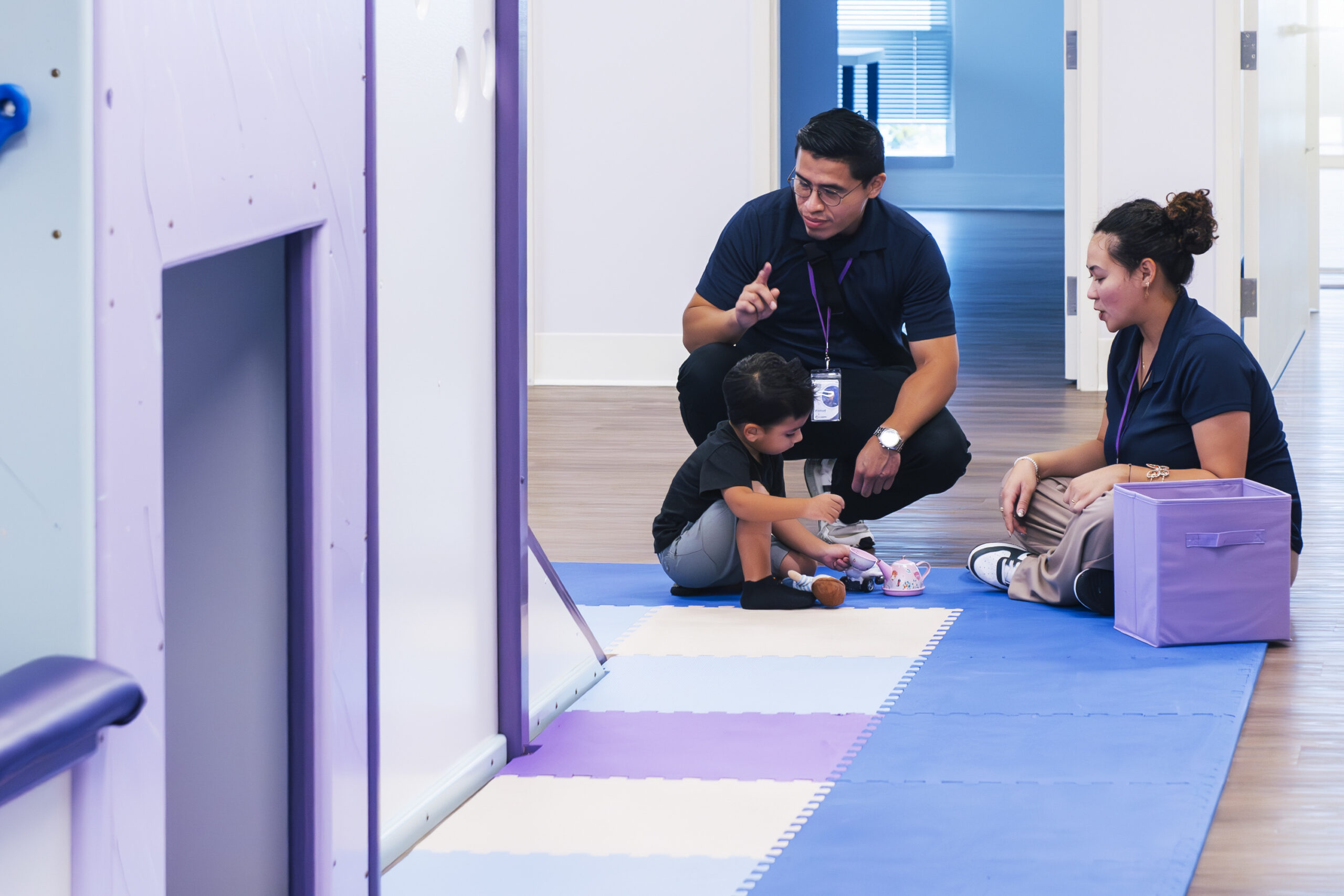
Ultimately, elopement auitism does not have to be an impossible challenge. With the right approach, families can better understand the underlying causes of escaping and develop targeted strategies to reduce these disruptive tendencies.
ABA Centers of America utilizes powerful behavioral techniques that have been proven effective in reducing crises. Using evidence-based behavior science, ABA providers can teach families and individuals on the spectrum the skills needed to identify and manage triggers that may lead to elopement.
If you are concerned about your child’s safety, consider seeking ABA therapy with ABA Centers of America to reduce elopement risk. For more information about us and our incredible, life-changing ABA services, reach us at (844) 923-4222 to schedule a free consultation or visit abacenters.com.
We can create a safe and inclusive world for everyone together!