


Table of Contents
What do Toddlers do in ABA Therapy?
Receiving an autism diagnosis for your toddler can leave you holding two truths at once: relief that you finally have answers, and uncertainty about what to do next. You may wonder which therapy will help, how much support your child needs, and whether ABA therapy for toddlers will feel too structured for someone so young.
For many families, the next step starts with learning what ABA therapy for toddlers really looks like. Modern ABA for young children often happens through play, routines, movement, and connection. It focuses on helping toddlers communicate, participate in daily life, build early social skills, and reduce frustration by learning safer, clearer ways to express their needs.
What Do Toddlers Do in ABA Therapy?
Toddlers in ABA therapy practice communication, play, social interaction, following simple directions, daily living skills, and emotional regulation through structured support and child-led activities. A therapist uses positive reinforcement, observes what motivates the child, and breaks skills into small, achievable steps.
What Is ABA Therapy for Toddlers?
Applied Behavior Analysis is a science-based approach. It rests on one core insight: behaviors that are consistently rewarded tend to grow, and behaviors that go unrewarded tend to fade. For a toddler with autism, this means a therapist can teach nearly any skill, asking for a snack or taking turns, for example, by breaking it into small, achievable steps and celebrating every bit of progress.
Early ABA therapy for toddlers is often designed around the developmental needs of children ages two through five, when therapy can be play-based, routine-based, and closely connected to daily life.
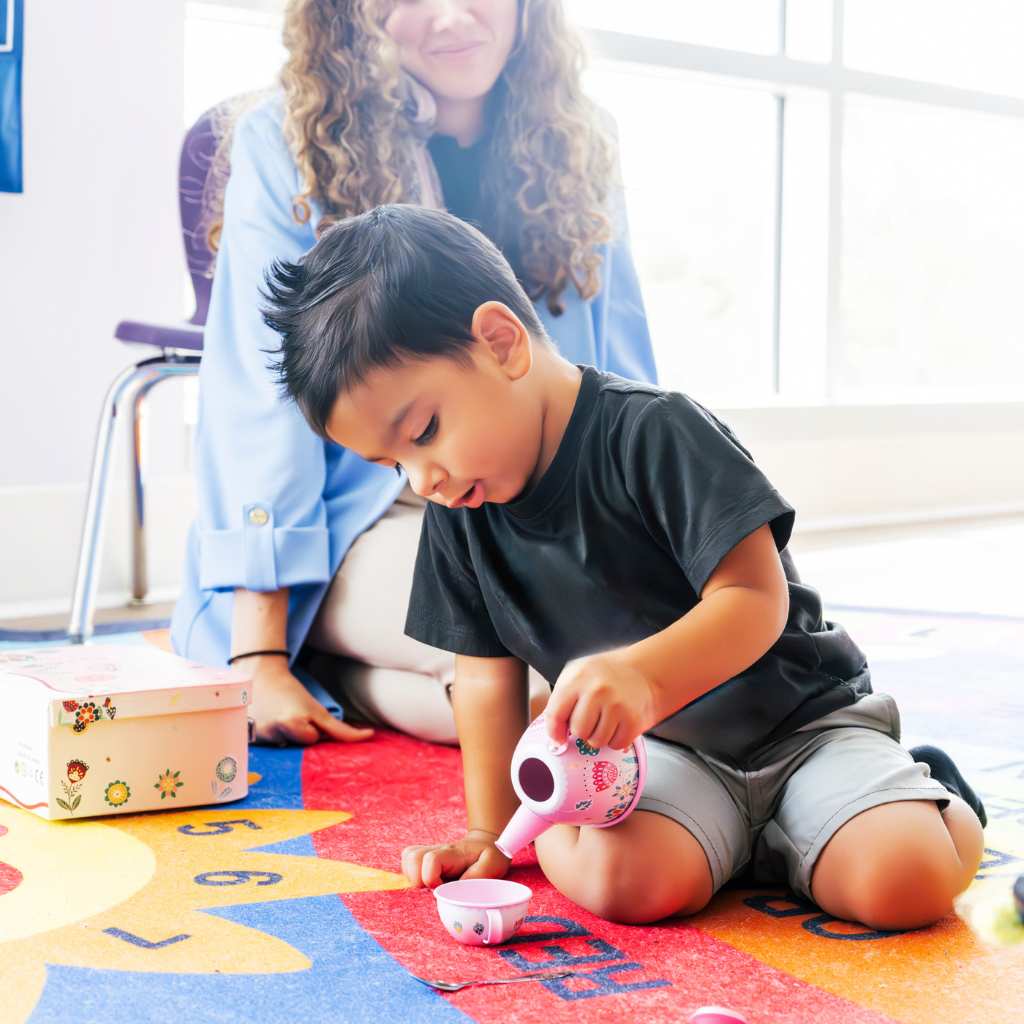
Unlike therapy for school-age children, ABA therapy for a 2-year-old can look almost indistinguishable from everyday play. You might watch a session and think your child is just stacking blocks with a very enthusiastic adult — and in a real sense, they are. But within that interaction, they may also be learning to follow a direction, wait for a turn, or point to ask for something they want.
Many games and routines become teaching opportunities.
How Does ABA Therapy for Toddlers Work?
Before any sessions of ABA therapy for toddlers begin, a Board-Certified Behavior Analyst (BCBA) conducts a thorough assessment of your child. They observe how your toddler communicates, plays, handles transitions, and responds to different people and environments.
From that baseline, they write an individualized treatment plan with specific, measurable goals tailored to your child’s strengths and needs.
A strong ABA plan may include:
- Pairing: The therapist builds a warm relationship with your child before placing demands.
- Positive reinforcement: Your child receives encouragement, access to favorite items, or enjoyable activities after practicing a skill.
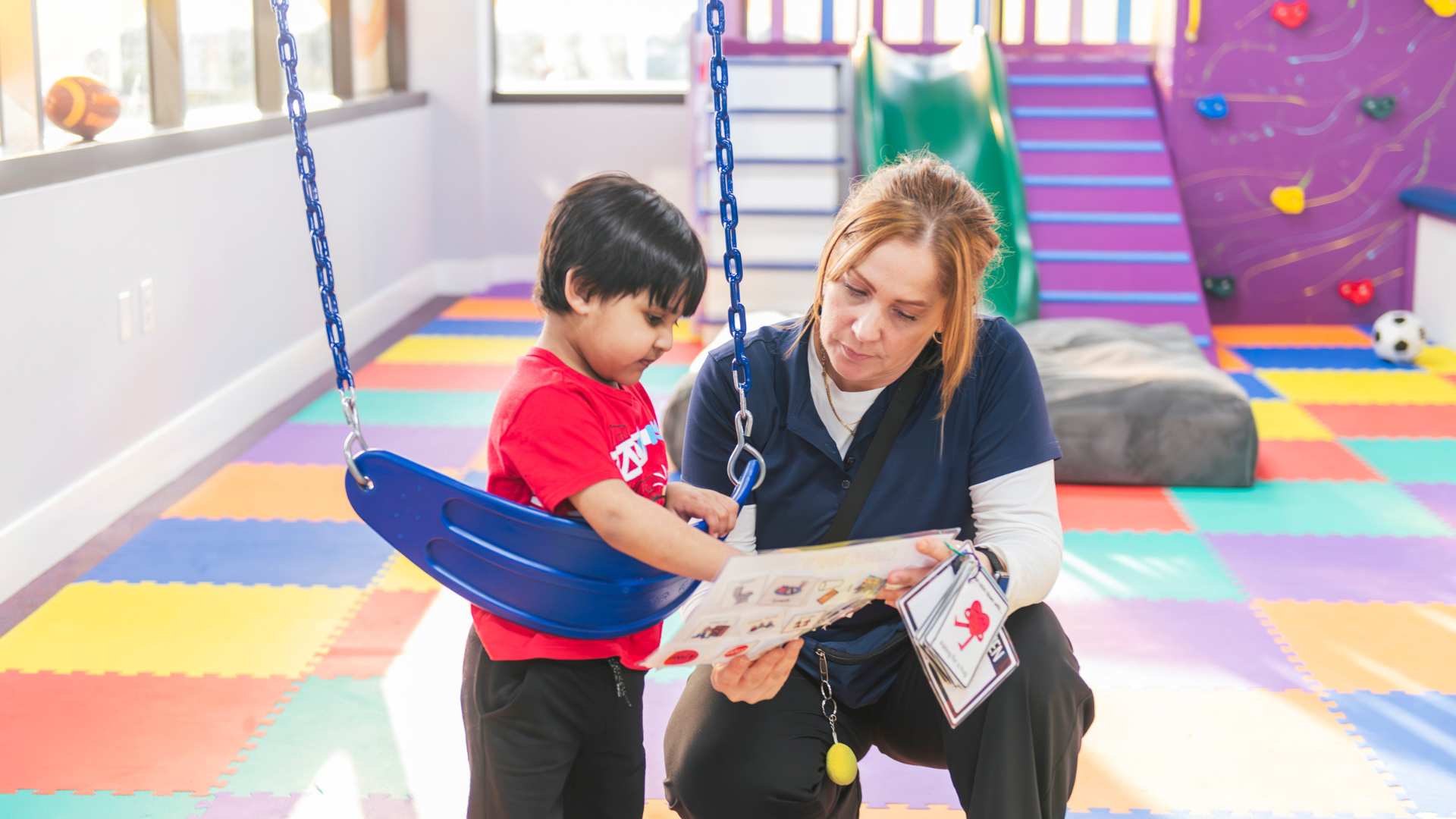
- Natural Environment Teaching: Learning happens during play, snacks, routines, and daily moments.
- Discrete Trial Training: The therapist teaches specific skills in a structured, step-by-step format when appropriate.
- Data collection: The team tracks progress and adjusts goals based on what works.
A good autism therapy for toddlers program blends these approaches, following the child’s lead while systematically working toward each goal. Progress is tracked in every session, so the BCBA can see exactly what’s working and adjust the plan.
Why Early ABA Therapy Changes the Trajectory
Early behavioral intervention is one of the most studied approaches for supporting young children with autism.
A review published in Child and Adolescent Psychiatry and Mental Health found that early intensive behavioral interventions produce meaningful, measurable gains in the areas that matter most for a toddler’s development — language acquisition, cognitive skills, and social functioning.
A separate narrative review in the Cureus Journal of Medical Science examined studies on ABA and related approaches in children under 7 years old. The findings showed cognitive gains averaging 9–15 IQ points and significant improvements in language development among children who received early intensive intervention — outcomes that matter profoundly for a child’s capacity to learn in a classroom setting.
A meta-analysis published in the Journal of Clinical Medicine that analyzed 33 randomized controlled trials involving over 2,500 children found early interventions produced meaningful gains in cognitive ability, daily living skills, and motor development in young children with autism.
These aren’t abstract numbers — they translate to a child who can dress themselves, communicate a need, or walk into kindergarten with the skills to participate.
Why does timing matter this much? Because the toddler brain is uniquely plastic. Neural connections form at extraordinary speed in the first three years of life, and the pathways that support language, attention, and social connection are being built right now. ABA therapy for toddlers works with that biology, not against it.
What ABA Therapy for 2-Year-Olds Actually Looks Like
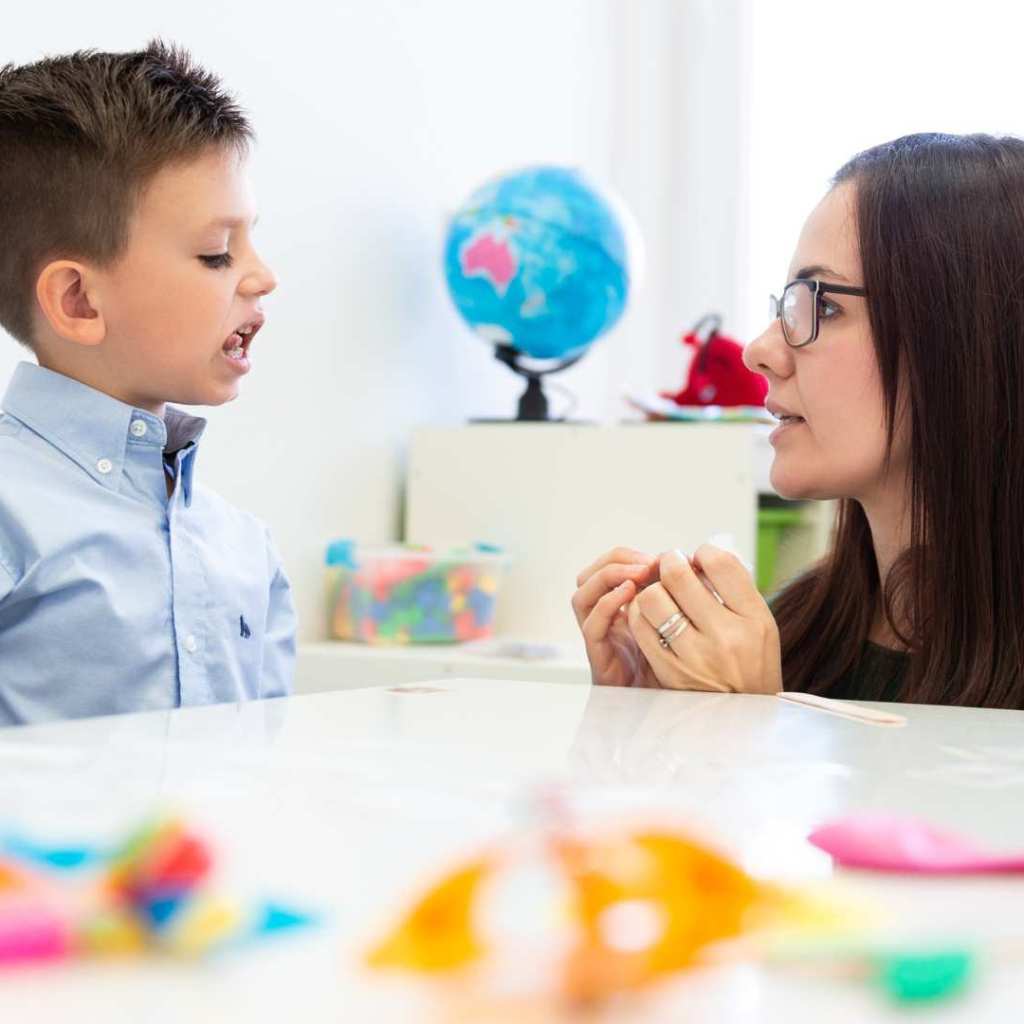
If you have never watched an ABA therapy for 2-year-olds session, you might picture something clinical and rigid. The reality is almost the opposite. A skilled therapist gets on the floor. They follow the child’s interest. If your toddler is fascinated by bubbles, the therapist uses them as a teaching tool — blow a bubble, then wait for the child to request more, which builds communication. Build a tower together, then prompt taking turns, which builds social skills. Follow a simple direction to put a toy away, which builds compliance and independence.
Autism therapy for toddlers at this age targets a short list of foundational skills that unlock everything else:
- Functional communication — using words, pictures, or gestures to ask for needs
- Imitation — copying actions and sounds, which underpins all language learning
- Joint attention — sharing focus with another person, a prerequisite for social learning
- Play skills — learning to engage with objects and people in age-appropriate ways
- Self-care basics — tolerating tooth-brushing, dressing, mealtime routines
These skills don’t just help in therapy. They help your child connect with you, participate in preschool, and build the confidence that comes from being understood.
The Role Parents Play in Early ABA Therapy
ABA therapy for toddlers works best when parents are active partners rather than passive observers. Most quality programs include parent training as a core component. Your therapist will teach you the same reinforcement strategies they use in sessions, so you can practice throughout the day — at breakfast, bath time, the car ride home. This consistency is what accelerates progress. Research supported by the UK’s National Institute for Health and Care Research highlights parent-mediated interventions as a meaningful and accessible approach that extends the benefits of therapy into everyday family life.
Your child spends most of their hours with you, not a therapist. Every time you prompt a word, celebrate a new skill, or hold firm on a routine your BCBA recommended, you are doing therapy. That’s not pressure — it’s a genuine source of hope.
Taking the Next Step for Your Child
Choosing ABA therapy for toddlers is not about defining your child by their limits. It is about helping them get the support they need early, while their brain is still growing, learning, and building new connections.
The research, the clinical experience, and the stories of thousands of families all point in the same direction: acting early, acting consistently, and acting with evidence behind it makes a real difference.
At ABA Centers of America, the journey starts with clarity.
Our ABA team offers diagnostic testing to confirm and better understand your child’s specific profile, followed by individualized early ABA therapy tailored to your toddler’s unique needs, pace, and strengths. Whether you are just starting to ask questions or you already have a diagnosis in hand, they are ready to walk alongside your family.
You have already done one of the hardest things — you faced the unknown and started looking for answers. The next step is a conversation.
Reach out to ABA Centers of America today at (844) 923-4222 or connect online to learn how ABA therapy for toddlers can support your child’s development right now, during the window that matters most.