


Adult ABA Therapy
ABA therapy is most commonly associated with early intervention in young children. However, adolescents and adults with autism spectrum disorder can also benefit from ABA, though treatment options may be more limited. Access to services after the early 20s often becomes more variable due to changes in insurance coverage and eligibility for certain publicly funded programs.
Our Adult ABA Therapy Treatment Program helps people on the spectrum improve social and daily living skills while preparing them for independent living or post-academic life. We can give clients confidence through learning specific skills like dining out, shopping, or using transportation.
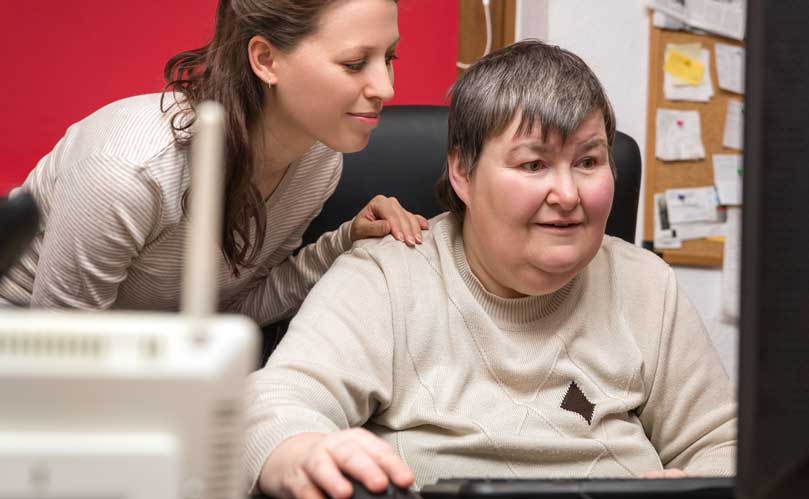
ABA Centers of America Works Toward the Following Goals
Learning critical life skills
Alternatives to unwanted behavior
Building up inherent strengths
Developing social and communication skills

How Does ABA Therapy Help Adults with Autism?
Whether the client has had Applied Behavior Analysis (ABA) Therapy in the past or is new to the idea, ABA therapy can offer new skills to deal with real-world challenges. Our adult programs are designed to give clients confidence by working toward agreed-upon goals for independent living, handling social gatherings, cooking and more. ABA therapy can be a great complement to other forms of treatment, such as occupational therapy.
ABA therapy is also effective in developing “soft skills,” like nonverbal communication, understanding other people’s perspectives, and working in a team.
ABA Therapy Can Help Improve:
- Academics
- Cooking and cleaning
- Fitness
- Home living
- Workplace training
- Social skills
- Self-care
- Attention, focus and memory
- Cognitive skills
- Health management
Individualized ABA Therapy
ABA Centers of America doesn’t believe in a “one size fits all” treatment program. Our clients are individuals, and each of them is experiencing the world in a unique way. Our therapy plans are always customized, and they allow clients to work toward mutually agreed-upon goals. At the heart of our treatment philosophy is our goal to provide only scientifically valid, evidence-based treatment that will be meaningful to the individual.
Our ABA treatment begins with a Board-Certified Behavior Analyst (BCBA) getting to know the client and family. They will conduct an assessment to determine recommended program goals. A Registered Behavior Technician (RBT) will then work with the client, observing and recording behavioral data that will help the BCBA create targeted programs. Each session is customized specifically to the client.

What To Expect
ABA Therapy programs are designed by our Board Certified Behavior Analysts (BCBAs) and conducted by our Registered Behavior Technicians (RBTs). Both are governed and licensed by the Behavior Analyst Certification Board (BACB).
Assessment
Our treatment begins with a BCBA getting to know your family, learning what behaviors you’re interested in improving and conducting an assessment to measure skills and abilities.
Goal Setting
Using the results from the assessment, our BCBAs collaborate with the family to create specific, reachable objectives to address desired behavior, new skills and recommended goals.
Custom Planning
The BCBA develops a program to teach target skills. Then an RBT works directly with the clients to implement the agreed-upon therapy and collect critical data.
Evaluation
The BCBA and RBT work together, measuring targeted skills and making changes to the program if necessary.

Available Services
- In-home ABA TherapyOur autism-care therapists bring their expertise to the environment where the client is most comfortable—home.
-
Clinic Services
Our facility is a good environment for ABA Therapy when in-home treatment is not convenient. Our therapists make sure clients are comfortable and see our clinic as a place where they come to learn from friends. -
Telehealth
We can work with autistic children and their families to create an effective remote program or a hybrid with some telehealth and some in-person behavioral therapy. -
Caregiver Training
For one to two hours a week, you’ll absorb the basics of Applied Behavior Analysis Therapy as you work with your ABA specialist and your child. We emphasize “caregiver” in our training programs because we feel it’s essential to work with anyone and everyone who is a significant presence in the child’s life. -
Community Life Skills
We provide training that helps people with autism deal with the demands of daily life. The training often involves real-life settings like the grocery store or a social outing to help people with autism function with as much independence as possible.
Frequently Asked Questions
Can adults with autism still benefit from therapy later in life?
Yes, adults on the autism spectrum can still gain meaningful skills through Applied Behavior Analysis (ABA). Adult ABA therapy focuses on practical goals like communication, workplace readiness, and independent living skills such as shopping, cooking, and using transportation. Many families also ask whether therapy still works if someone never had it as a child or if support can start in adulthood. In many cases, structured behavioral programs can still build confidence and daily functioning at any stage of life.
What kinds of life skills can adults with autism learn through therapy?
Adult behavioral programs typically focus on building real-world independence. Sessions often target skills such as social communication, managing daily routines, workplace expectations, and navigating community settings like stores or public transportation. Instead of focusing on early childhood milestones, adult programs prioritize independence and functional life skills that support long-term stability and confidence in everyday environments.
Does insurance cover autism therapy for adults in Massachusetts or New Hampshire?
Coverage often depends on the individual insurance plan, but many policies in Massachusetts and New Hampshire include autism treatment benefits when services are considered medically necessary. In Massachusetts, autism coverage mandates apply to many commercial plans, while New Hampshire policies may vary by eligibility. Insurance specialists typically verify benefits before services begin.
How many hours of ABA therapy do adults usually need?
The number of hours varies because treatment plans are customized after an assessment with a Board-Certified Behavior Analyst. Some adults benefit from shorter weekly sessions focused on targeted life skills, while others participate in more intensive programs that run several days per week. The goal is not a fixed schedule but a structured plan that gradually builds independence, communication abilities, and daily functioning.
How quickly can someone start autism therapy in New Hampshire or Massachusetts?
Many families can begin the intake process within weeks once the required documents and insurance verification are complete. The process typically starts with a consultation, followed by an assessment from a Board-Certified Behavior Analyst who designs a personalized treatment plan. Families often ask how long it takes to get started or whether there are long waitlists for autism services.
Is ABA therapy different for adults compared to programs for children with autism?
Yes, adult programs focus on independence and real-life problem-solving rather than early developmental skills. While child-focused programs often work on foundational communication or play skills, adult behavioral therapy concentrates on employment readiness, self-advocacy, and navigating social environments. The approach still uses evidence-based behavioral methods, but the goals shift toward helping adults manage everyday responsibilities and long-term independence.
Where does ABA therapy usually take place for adults with autism?
Treatment can happen in several settings, depending on what best supports the individual’s goals. Some adults receive services at home to practice daily routines, while others benefit from center sessions or community-based training that takes place in real environments like stores or public spaces. This flexibility allows therapy to focus on practical situations where independence and social skills are most needed.
What improvements should families realistically expect from ABA therapy for adults with autism?
Progress typically appears in everyday functioning rather than dramatic overnight change. Many adults gradually improve communication, social awareness, emotional regulation, and the ability to manage routines such as budgeting, cooking, or workplace tasks. Because each person’s goals are individualized, outcomes focus on practical independence and confidence rather than trying to “change” who someone is. Behavioral programs track measurable progress to adjust goals over time.
Do adults need a formal autism diagnosis to receive behavioral therapy?
In most cases, a documented autism diagnosis is required before ongoing ABA therapy can begin. The diagnosis helps clinicians determine medical necessity and allows insurance plans to evaluate coverage. Families often ask whether therapy can start without a diagnosis or if an evaluation must happen first. Many autism centers provide diagnostic services or guide families through the process, so treatment can move forward more quickly.
Are there autism therapy centers available near major cities in Massachusetts and southern New Hampshire?
Yes! Families in both states have access to multiple ABA Centers of America locations throughout the region. Massachusetts includes centers in cities such as Worcester, Wellesley Hills, Foxborough, and Peabody, while New Hampshire locations include Nashua, Salem, and Rochester. This allows families to choose between center-based programs, in-home services, or a combination, depending on travel distance and scheduling needs.