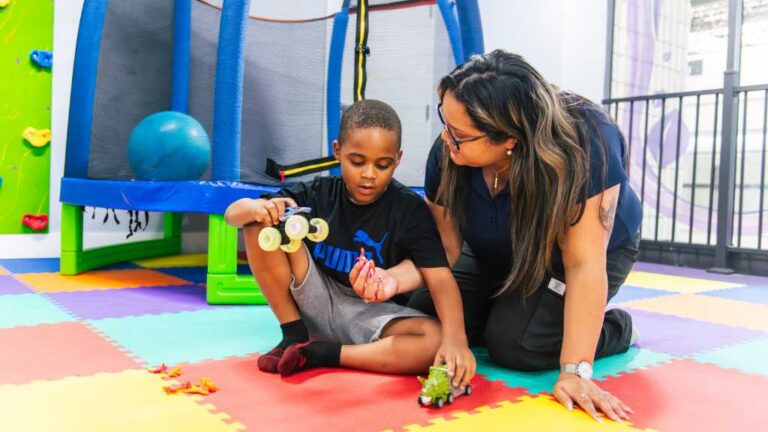


Starting a new school year can bring excitement, uncertainty, and major changes in routine. For children and teenagers with autism spectrum disorder (ASD), autism and anxiety can make this transition particularly challenging. New classrooms, unfamiliar teachers, different schedules, sensory demands, and shifting expectations can all contribute to increased stress.
For parents, this often leads to an important question: How can I help my child feel more comfortable and prepared before school begins?
Supporting school readiness does not mean eliminating every worry. Instead, families can help children develop greater predictability, communication skills, coping strategies, and familiarity with what the school day may involve. Applied Behavior Analysis (ABA) strategies, collaboration with educators, and consistent support at home can all play a role.
ABA Centers of America works with families in communities including Massachusetts and New Hampshire to help children with autism build practical skills they can use across everyday environments, including school.
How Are Autism and Anxiety Connected?
Autism and anxiety frequently overlap, although anxiety is not a core characteristic of autism itself. Changes in routine, uncertainty, sensory experiences, communication challenges, and complex social situations may contribute to anxiety for some autistic children and teenagers. Recognizing those individual triggers can help caregivers prepare more effectively for upcoming transitions.
Autism spectrum disorder is a developmental condition associated with differences in communication, social interaction, behavior, interests, and sensory processing. Because autism presents differently in every person, school experiences can vary significantly from one child to another.
Research by the Anxiety & Depression Association of America shows that anxiety conditions occur frequently among autistic children and adolescents. However, anxiety does not look the same for everyone, and researchers have emphasized the importance of considering individual behavioral patterns and environmental factors when identifying it.
For a child who relies heavily on routine, for example, summer ending may introduce several uncertainties at once:
- What will the new classroom look like?
- Who will the teacher be?
- Will classmates be different?
- Has the daily schedule changed?
- Where will lunch or recess happen?
- What happens during arrival and dismissal?
Even seemingly small unknowns may feel significant to a child who finds predictability reassuring.
Why Can Back to School Anxiety Be More Intense for Children with Autism?
Back-to-school anxiety may increase when a child must manage several unfamiliar experiences at the same time. A new environment, changing routines, sensory demands, social expectations, and uncertainty about what will happen during the day can make the transition from summer to school more difficult for some children with autism.
School requires children to navigate much more than academics. A typical day can involve transitions between rooms, noisy hallways, group activities, unexpected schedule changes, peer conversations, waiting, following instructions, and adapting to different adults.
For some students with autism, these experiences may contribute to stress before the school year even begins.
Signs that back-to-school anxiety may be increasing can include:
- Difficulty falling or staying asleep
- Increased fatigue
- Irritability or changes in mood
- Changes in eating habits
- Increased resistance to unfamiliar activities
- Greater rigidity around routines
- Social withdrawal
- Complaints such as headaches or stomach discomfort
- Increased need for reassurance about school
These behaviors do not automatically mean a child has an anxiety disorder. They can, however, signal that the upcoming transition deserves additional attention.
Parents who notice persistent or significant changes should communicate with the professionals involved in their child’s care to better understand what may be contributing to the behavior.

How Does Autism Affect School Readiness?
School readiness for a child with autism extends beyond knowing letters, numbers, or classroom rules. It can include communicating needs, tolerating transitions, following predictable routines, interacting with others, managing sensory experiences, waiting, asking for help, and using coping strategies when something unexpected happens.
This broader definition matters because academic ability is only one part of navigating a school day.
A child may understand the academic material but struggle when the bell suddenly rings. Another may complete classroom work independently but find group activities overwhelming. Someone else may feel comfortable with familiar adults yet have difficulty asking a new teacher for help.
Building school readiness therefore means considering the individual skills that will make the school environment more manageable for that particular child.
How Can ABA Therapy Support Autism and Anxiety During School Transitions?
ABA therapy can support children with autism by teaching functional skills that may make school routines more predictable and manageable. Depending on the child’s individual goals, ABA programs may address communication, transitions, coping behaviors, attention, social interaction, following routines, and appropriate ways to request help or a break.
Applied Behavior Analysis focuses on understanding behavior and using evidence-based behavioral principles to teach meaningful skills. Behavior analysts may examine what happens before and after a behavior and identify strategies that help the child respond more successfully in everyday situations.
ABA is not a single standardized program. A Board Certified Behavior Analyst (BCBA) develops individualized goals according to the child’s strengths, needs, environment, and priorities.
When autism and anxiety intersect with preparing for school, relevant skills might include:
- Asking an adult for help
- Requesting a break appropriately
- Following a visual routine
- Moving from one activity to another
- Waiting for a preferred activity
- Communicating discomfort
- Tolerating small changes in routine
- Practicing classroom behaviors
- Interacting with peers
- Using previously learned calming or coping strategies
ABA strategies can also provide opportunities to practice these skills before the child encounters them in the classroom.
What ABA Strategies Can Improve School Readiness?
Families can support school readiness by gradually increasing familiarity with school routines before the first day. Visual supports, rehearsal, positive reinforcement, school visits, and communication practice can reduce uncertainty while giving children repeated opportunities to learn what to expect. Strategies should always be adapted to the child’s individual needs.
1. Create a Visual School Schedule
Visual schedules can make abstract routines more concrete.
Before school begins, parents might create a simple sequence showing:
- Wake up
- Get dressed
- Breakfast
- Travel to school
- Classroom
- Lunch
- Activities
- Go home
Pictures, written words, icons, or a combination can be used depending on the child’s communication and learning preferences.
Reviewing the schedule repeatedly can help increase predictability as the first day approaches.
2. Visit the School Before the First Day
When possible, arrange an opportunity to see the school before classes begin.
Walking through important spaces can help transform an unfamiliar environment into something the child has already experienced.
Consider practicing:
- Entering the building
- Finding the classroom
- Locating the restroom
- Seeing the cafeteria
- Identifying where pickup happens
- Meeting the teacher or relevant staff
For children experiencing back-to-school anxiety, knowing where they are going can reduce at least some of the uncertainty about the first day.
3. Practice School Routines at Home
Rehearsal allows children to experience routines before they need to perform them in a busy classroom.
Families can practice behaviors such as:
- Packing a backpack
- Sitting for short activities
- Following simple instructions
- Waiting for a turn
- Raising a hand when appropriate
- Asking for assistance
- Transitioning between tasks
- Cleaning up materials
The goal is not to recreate an entire school day at home. Short, positive practice sessions can help build familiarity without making preparation feel overwhelming.
4. Use Stories to Explain What School May Be Like
Books and individualized stories about starting school can help children understand what to expect.
Parents can discuss:
- What happens when they arrive
- Who may be in the classroom
- What teachers do
- What recess and lunch may look like
- How they will return home afterward
For some children, reviewing photographs of the actual school, classroom, bus, or teacher may also increase familiarity.
5. Prepare Helpful Sensory or Calming Items
Some children with autism benefit from access to sensory supports or familiar calming items.
Depending on the child’s needs and school policies, these might include:
- Fidget items
- Noise-reducing headphones
- A familiar comfort item
- Visual communication cards
- Sensory tools already used successfully at home or in therapy
Families should coordinate with school staff before sending these items to make sure they can be used safely and appropriately in the classroom.
6. Reinforce Helpful School Behaviors
Positive reinforcement can help increase behaviors that support school readiness.
For example, a child might receive specific praise after independently packing their backpack:
“You remembered everything you needed for school.”
Reinforcement can also involve tokens, preferred activities, or other individualized motivators.
What works as reinforcement will vary from child to child, which is why ABA programs identify meaningful motivators individually rather than assuming the same reward will work for everyone.
7. Practice Communication Before Problems Occur
One particularly useful area of preparation is helping children communicate what they need before they become overwhelmed.
Depending on the child’s communication style, useful phrases or responses might include:
- “I need help.”
- “I need a break.”
- “It’s too loud.”
- “I don’t understand.”
- “Can you show me?”
- “When are we going home?”
Children who use augmentative and alternative communication can practice equivalent requests through their established communication system.
Teaching these skills in advance can give children another way to respond when autism and anxiety make a school situation difficult.
8. Encourage Social Opportunities Without Forcing Them
School also introduces new social expectations.
Role-play, structured play, shared-interest activities, or carefully planned opportunities with peers can provide practice with social situations. However, preparation should focus on useful communication and confidence rather than forcing a child to socialize in ways that feel unnatural or uncomfortable.
9. Celebrate Progress
Preparing for school involves many smaller achievements.
Entering the building comfortably, meeting a teacher, following a morning schedule, independently asking for help, or tolerating a change can each represent meaningful progress.
Recognizing these steps can reinforce skill development and help the child associate school preparation with positive experiences.
How Can Parents and Teachers Work Together to Reduce Back-to-School Anxiety?
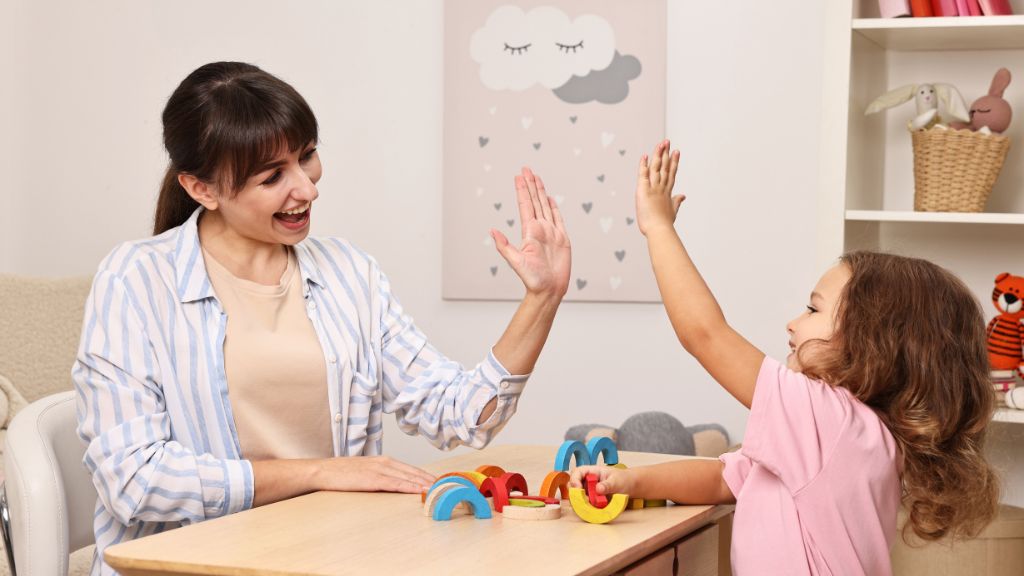
Consistent communication between caregivers and educators can help reduce back-to-school anxiety by giving the school a clearer understanding of the student’s communication style, strengths, triggers, sensory needs, routines, and successful support strategies. When adults share relevant information, responses can remain more consistent across home and school.
Before the school year begins, parents may benefit from connecting with teachers, counselors, support professionals, or other relevant school staff.
Useful information to share can include:
| Information to Share | Why It Can Help |
|---|---|
| Communication style | Helps staff understand how the child expresses needs |
| Strengths and interests | Provides opportunities for connection and motivation |
| Sensory sensitivities | Helps identify situations that may become overwhelming |
| Known triggers | Allows staff to anticipate challenging situations |
| Helpful coping strategies | Provides familiar options when stress increases |
| Reinforcers and motivators | Helps encourage participation and skill use |
| Transition strategies | Creates greater consistency across settings |
| Warning signs of stress | Helps adults respond earlier |
Communication should continue after the first day.
Short check-ins can help parents and educators identify what is working, where challenges are appearing, and whether strategies need to change as the child becomes familiar with the new routine.
What If Back-to-School Anxiety Continues After Classes Begin?
Adjustment does not always happen on the first day or even during the first week. Some children with autism need additional time and repeated exposure before a new school routine feels predictable. Families can continue to observe patterns, reinforce useful coping skills, and collaborate with educators and relevant healthcare or behavioral professionals.
Parents can pay attention to when anxiety appears most often.
Is it occurring:
- The night before school?
- During morning preparation?
- At drop-off?
- Before a particular subject?
- During lunch or recess?
- When the child returns home?
Identifying patterns can help adults understand whether a particular environment, transition, demand, or sensory experience may be contributing to the issue.
If anxiety is persistent, severe, or significantly interferes with daily life, parents should consider discussing the concern with an appropriately qualified healthcare or mental health professional. ABA can address behaviorally relevant skills, but significant anxiety may require additional assessment or treatment from professionals with expertise in anxiety and autism.
Supporting Autism and Anxiety One School Day at a Time
A new school year represents a major transition, and there is no single preparation strategy that works for every autistic child.
Addressing autism and anxiety begins with understanding what makes the transition difficult for the individual child. Families can then increase predictability, practice meaningful skills, establish communication strategies, collaborate with educators, and recognize progress as new routines gradually become familiar.
The objective is not a perfectly anxiety-free first day.
Instead, successful preparation means giving children useful tools, supportive adults, and repeated opportunities to become more comfortable navigating their school environment.
With patience, individualized support, and consistent communication, families can approach the new academic year with a clearer plan for supporting their child’s development and well-being.
How ABA Centers of America Supports School Readiness
ABA Centers of America provides individualized ABA therapy designed to support meaningful skills that children with autism can use across environments, including home, community settings, and school-related routines.
Depending on each child’s individualized treatment plan, ABA may help strengthen communication, transitions, social interaction, daily routines, coping skills, and other areas that contribute to greater independence and school readiness.
Services include:
- In-home ABA therapy
- ABA clinic services
- Autism diagnostic services
- Parent training
Families who are concerned about autism and anxiety, behavioral challenges, or preparing their child for a new school routine can connect with ABA Centers of America to learn more about available autism and ABA services by calling (844) 923-4222 or clicking the button below.