Celebrity Autism Parents: 10 Stars Who Spotlight Autism Spectrum Disorder

Celebrity autism parents

Table of Contents

Celebrity autism parents have increasingly used their public platforms to talk about raising children with autism, supporting autism organizations, and helping other families feel less alone. From actors and musicians to professional athletes, several well-known parents have chosen to share parts of their families’ experiences while advocating for greater understanding and support.

Celebrity culture often focuses on the ways famous people live differently from everyone else. Family life can reveal something else entirely: fame does not exempt parents from uncertainty, difficult decisions, or the desire to help their children thrive.

For many autism parents, seeing a recognizable person discuss a similar experience can also make autism feel less isolating. Public conversations cannot represent every family’s experience, but they can bring autism into spaces where misconceptions and stigma once went largely unchallenged.

That has particular significance given the history of autism. Families have not always encountered the understanding they deserved, and misconceptions about parenting were once wrongly associated with autism.

Today, these stories can serve a broader purpose: showing that autism occurs across families of different backgrounds and that every child deserves access to understanding, appropriate support, and opportunities to develop their individual strengths.

Which Celebrity Autism Parents Have Spoken Publicly About Their Children?

Several celebrity autism parents have discussed their children’s autism diagnoses or created organizations supporting the autism community. Their experiences differ, but many share a common thread: using public visibility to raise awareness, improve access to resources, or help other families feel supported.

Here are some of the actors, performers, and athletes who have spoken publicly about autism in their families.

Which Celebrity Parents in Hollywood Have Children with Autism?
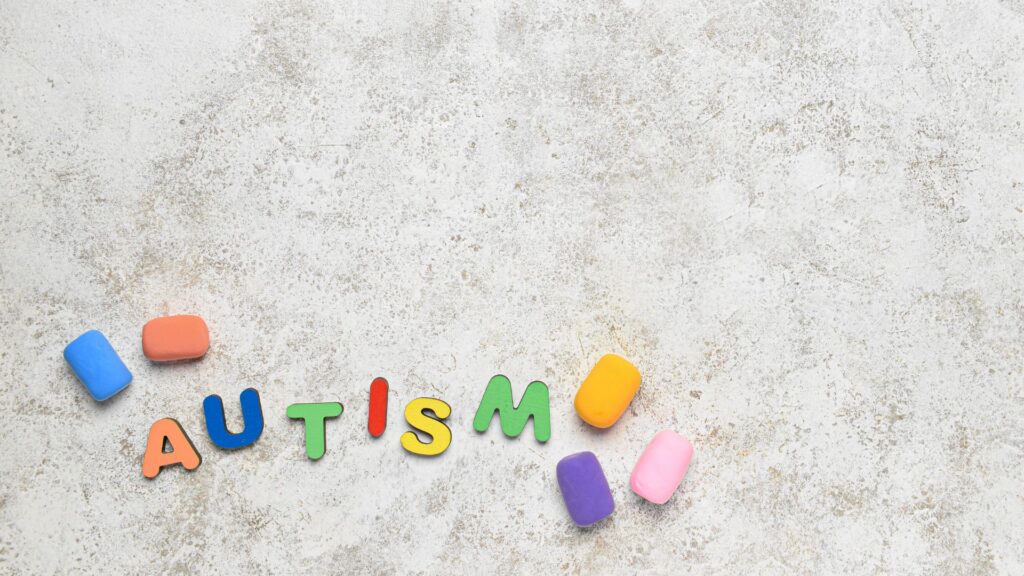
Colorful plastic letters spell “autism” on a plain background.

Several celebrity parents in film and television have children with autism, including Sylvester Stallone, Gary Cole, and Rosie O’Donnell. Some have kept much of their children’s lives private while still discussing autism publicly or supporting advocacy, research, and family resources.

Sylvester Stallone

Sylvester Stallone’s son Seargeoh was diagnosed with autism at age three. Stallone and Seargeoh’s mother, Sasha Czack, largely kept their son away from the public spotlight while supporting autism research.

The family established a research fund through what was then the National Society for Children and Adults with Autism, and Stallone used events connected with his films to help raise funds.

That balance is noteworthy. Being among the most recognizable celebrity autism parents does not mean making every part of a child’s life public. Advocacy and privacy can coexist.

John Travolta and Kelly Preston

John Travolta and the late Kelly Preston’s eldest son, Jett, had a history of seizures and was publicly identified by his parents as having autism.

Following Jett’s death in 2009, his parents became more open about his diagnosis. Their family also established the Jett Travolta Foundation, which supports children with special needs and other charitable causes.

Their story became part of a wider shift in which celebrity parents began discussing developmental differences and family experiences that previous generations often kept private.

Gary Cole

Actor Gary Cole’s daughter, Mary, was diagnosed with autism in the 1990s. Cole has discussed how limited his understanding of autism was when his daughter received her diagnosis and how connecting with other families helped change that.

His experience reflects something many autism parents may recognize: a diagnosis can lead to questions, learning, and an increased need for reliable information and community.

Rosie O’Donnell

Rosie O’Donnell has spoken candidly about raising her daughter Dakota, who was diagnosed with autism as a young child.

In an essay for People, “She’s a Gift,” O’Donnell described both the emotional adjustments surrounding the diagnosis and the importance of connecting with and understanding her daughter.

Her story adds an important dimension to discussions about celebrities with autistic children: advocacy does not require portraying parenting as either entirely difficult or entirely inspirational. Families can experience uncertainty, joy, challenges, growth, and connection at the same time.
Which Musicians Are Autism Parents?

Musicians including Shawn Stockman and Toni Braxton have publicly discussed autism in their families. Their stories have brought autism conversations to wider audiences, and Stockman’s family also created an organization to provide resources and community support to other families.

Shawn Stockman

Boyz II Men singer Shawn Stockman and his wife, Sharhonda, are parents to Micah, who was diagnosed with autism at a young age.

Their experience eventually inspired the couple to establish Micah’s Voice, a nonprofit that provides hope, community, and financial resources to families affected by autism. The organization remains active today.

Stockman’s advocacy illustrates how some celebrity autism parents have extended their personal experiences beyond awareness campaigns and into direct family support.

Toni Braxton

Singer Toni Braxton has also spoken publicly about her son Diezel’s childhood autism diagnosis and the interventions and support he received.

Explore Early Intervention in MA

Which Professional Athletes Are Celebrity Parents of Children with Autism?

Professional athletes Doug Flutie and Dan Marino are among the best-known celebrity parents who established autism-focused organizations after their sons were diagnosed. Both families have turned their experiences into long-term initiatives supporting autistic individuals and their families.

Doug Flutie

Former professional quarterback Doug Flutie and his wife, Laurie, founded the Doug Flutie Jr. Foundation for Autism after their son, Dougie Jr., was diagnosed at age three.

The foundation was established in 1998 and continues to help individuals with autism and their families access programs, services, and opportunities.

Rather than treating autism awareness as a temporary campaign, the Flutie family’s work shows how advocacy can become decades of practical community support.

Dan Marino

Former Miami Dolphins quarterback Dan Marino and his wife, Claire, founded the Dan Marino Foundation in 1992 after their son Michael was diagnosed with autism.

More than three decades later, the organization continues supporting individuals with autism and other developmental disabilities through programs, partnerships, grants, and initiatives focused on opportunity and inclusion.

Among the celebrities with autistic children featured in this article, Marino offers one of the clearest examples of a family’s personal experience becoming a long-term organization that serves a much larger community.

How Did Ed Asner Advocate for Autism Acceptance?

The late actor Ed Asner became an outspoken advocate for individuals with autism and their families after his son Charlie was diagnosed with autism. His advocacy included sharing his family’s experiences and supporting programs designed to improve confidence, inclusion, and family well-being.

Asner also helped establish the Ed Asner Family Center, extending his involvement beyond public discussion.

His inclusion remains relevant because the impact of celebrity autism parents is not limited to visibility. Public figures can also direct attention, funding, and community support toward programs that continue long after an interview or awareness campaign ends.

Why Do Autism Parents and Celebrity Advocacy Matter?

Autism parents who speak openly about their experiences can help challenge misinformation and make conversations about autism more familiar. When those parents have large public platforms, their reach can be considerable. However, celebrity stories should complement, rather than replace, information from autistic people, clinicians, researchers, and established health organizations.

The cultural context surrounding autism has changed significantly over the past several decades. Earlier generations of families often encountered misconceptions and blame that modern research does not support.

Greater public awareness has also coincided with substantial changes in autism identification.

According to the latest CDC findings, approximately 1 in 31 8-year-old children were identified with autism across 16 monitored U.S. communities in 2022. The CDC cautions that this estimate does not necessarily represent every child in the United States and that prevalence varies considerably between communities.

It is also important not to attribute the change to awareness alone. Differences in evaluation, testing, identification practices, and access to services can influence reported prevalence, and researchers continue studying these patterns.

How Have Celebrities with Autistic Children Helped Change the Conversation?

Celebrities with autistic children can bring autism into mainstream conversations that reach audiences far beyond clinical or educational settings. Their greatest contribution may be helping normalize conversations about diagnosis, support, family life, inclusion, and the different ways children with autism grow and develop.

The families featured here have contributed in different ways:

  • Some established foundations or funded autism programs
  • Some shared personal experiences through interviews
  • Some advocated for improved access to services
  • Others used their visibility to encourage greater understanding and acceptance

Their experiences should not be treated as templates for every family. Autism presents differently from person to person, and resources available to high-profile families may differ significantly from those available to other autism parents.

What these stories can demonstrate, however, is that autism crosses social and economic boundaries. No family’s experience is identical, and no parent should feel ashamed of their child’s diagnosis.

What Can Autism Parents Take Away from These Families’ Stories?

For autism parents, the most useful takeaway is not that celebrity families have discovered one particular path to follow. It is that support can take many forms, and each child’s needs, strengths, communication style, and developmental goals are different.

A parent’s role may involve learning about autism, advocating for appropriate services, collaborating with professionals, and discovering which supports help their child participate more independently and comfortably in everyday life.

Celebrity parents’ experiences can increase visibility, but families should decide on services based on their child’s individual needs and guidance from qualified professionals, not another family’s experience alone.

How Can ABA Centers of America Support Families After an Autism Diagnosis?

An autism diagnosis can bring new questions about communication, behavior, school, daily routines, and which types of support may be appropriate. ABA therapy is one evidence-based approach that may help children with autism develop meaningful skills based on their individual needs and goals.

At ABA Centers of America, our team works with families to develop individualized ABA programs centered on each child’s strengths, challenges, and everyday experiences. Therapy goals may address communication, social interaction, adaptive skills, independence, and participation in daily routines.

Famous or not, every family deserves to feel heard and understand its options.

If you’re exploring ABA therapy after an autism diagnosis, contact us at (844) 923-4222 or through our online contact form to learn about available services and next steps.

Discover how our autism treatment services can help you.

Get Social With Us

Related Posts

Cancelations in ABA Therapy: 7 Powerful Things To Consider

Cancelations in ABA Therapy: 7 Powerful Things To Consider

Cancellations in ABA are sometimes unavoidable, but consistent attendance helps children receive the therapy hours outlined in their individualized treatment plans. Learn why ABA sessions ...
Read More →
Recognizing Autism

Recognizing Autism: 7 Autism Symptoms and Signs You Should Know

Autism symptoms vary widely from one person to another and may involve social communication, repetitive behaviors, sensory differences, routines, and focused interests. Learn common signs ...
Read More →
Raising a child with autism

10 Things to Avoid When Raising a Child with Autism

It’s common to find advice on what to do when raising a child with autism spectrum disorder (ASD), but what about the things to avoid? ...
Read More →
Virtual Autism Diagnosis

Virtual Autism Diagnosis: A New Era of Remote Autism Evaluations

An autism diagnosis online can make evaluations more accessible for families facing long wait times or limited local options. Learn how virtual autism assessments work, ...
Read More →
Scroll to Top