


Child ABA Therapy (Ages 2-12)
Whether you’ve just received an autism diagnosis for your toddler, or you have a school-aged child on the spectrum, Applied Behavior Analysis (ABA) therapy, including its components such as discrete trial training, is the most effective, evidence-based treatment. ABA therapy is endorsed by the U.S. Surgeon General’s office, the National Institute of Mental Health, and the National Institute of Child Health and Human Development, among other organizations and agencies.
Early intervention using ABA therapy yields the best results for children with Autism Spectrum Disorders, including what was formerly called Asperger’s Syndrome. And ABA Centers of America’s resources and flexible ABA programs mean there’s no long waiting list for your child to begin therapy.
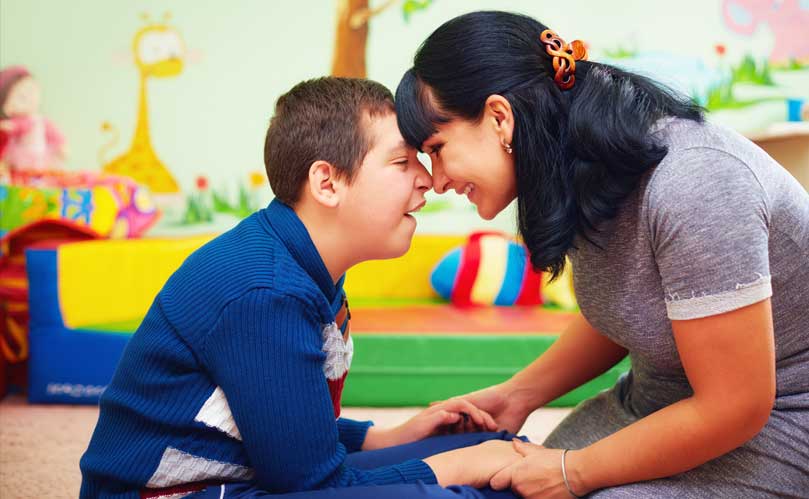
ABA Centers of America Works Toward the Following Goals
Learning critical life skills
Alternatives to unwanted behavior
Building up inherent strengths
Developing social and communication skills
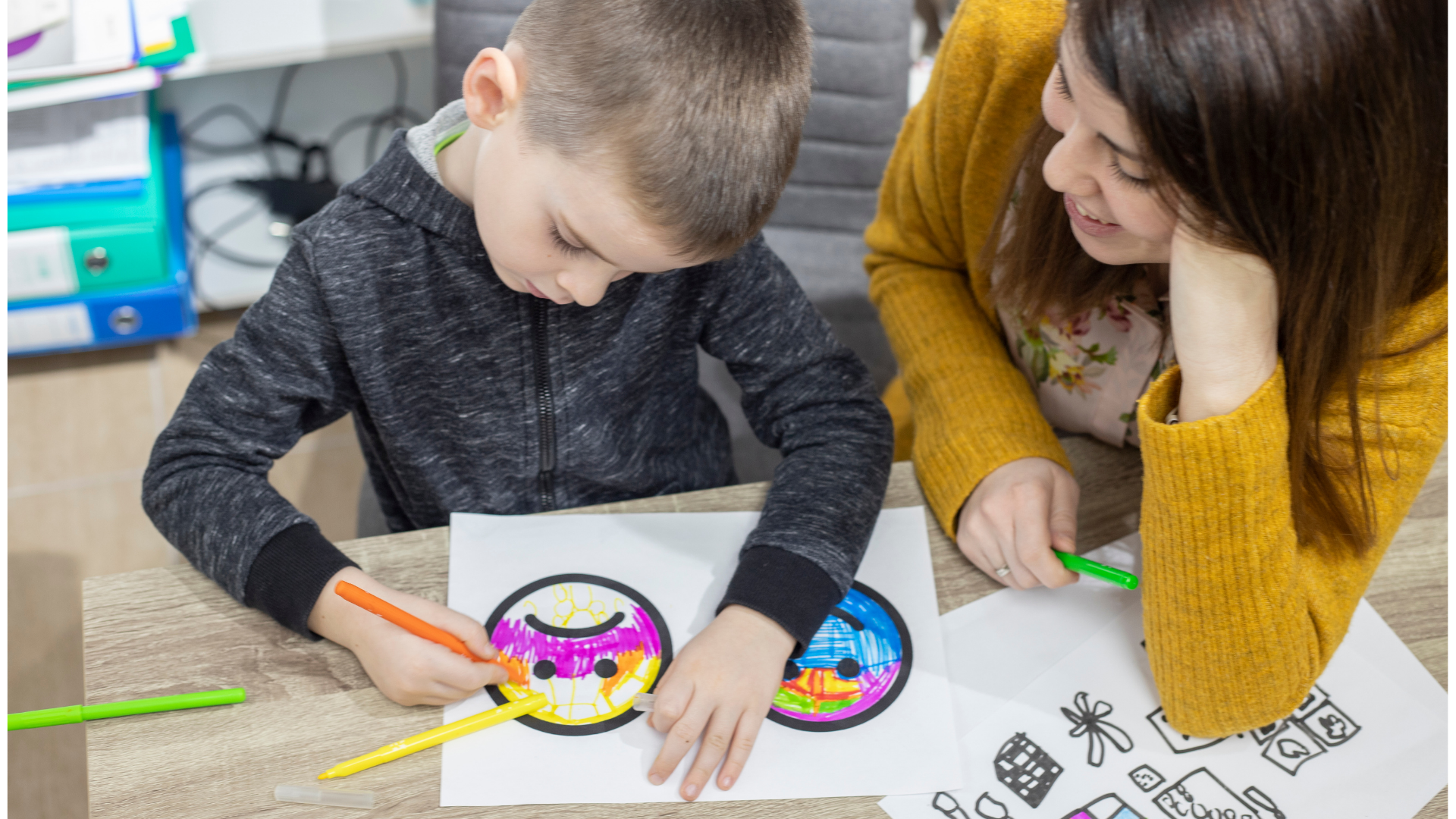
How Does ABA Therapy Help Children with Autism?
Our program for toddlers and pre-K kids is an intensive, all-day service focused on getting your child ready for school.
For older children, we offer after-school programs as well as many other customized daily therapy options. ABA therapy can be a great complement to other forms of treatment, such as occupational therapy.
ABA Therapy for toddlers, children and adolescents may include emphasis and positive reinforcement on:
- Communication skills
- Potty training
- Sitting
- Social skills
- Self-care
- Getting dressed
- Playing
- Safety
- Attention and focus
- Parent training
Individualized ABA Therapy
ABA Centers of America doesn’t believe in a “one size fits all” treatment program. Our clients are individuals, and each of them is experiencing the world in a unique way. So our therapy plans are always customized, and they allow clients to work toward mutually agreed-upon goals.
Our treatment begins with a Board-Certified Behavior Analyst (BCBA) getting to know the client and family. They will conduct an assessment to determine recommended program goals. A Registered Behavior Technician (RBT) will then work with the client and family, observing and recording behavioral data that will help the BCBA create targeted programs. Each session is customized specifically to the child’s needs and family’s goals.

What to Expect
A typical course of ABA therapy involves 20-40 hours a week for 1-3 years. ABA therapy programs are designed by our Board Certified Behavior Analysts (BCBAs) and conducted by our Registered Behavior Technicians (RBTs). Both are governed and licensed by the Behavior Analyst Certification Board (BACB).
Assessment
Our treatment begins with a BCBA getting to know your family, learning what behaviors you’re interested in improving and conducting an assessment to measure skills and abilities.
Goal Setting
Using the results from the assessment, our BCBAs collaborate with the family to create specific, reachable objectives to address desired behavior, new skills and recommended goals.
Custom Planning
The BCBA develops a program to teach target skills. Then an RBT works directly with the clients to implement the agreed-upon therapy and collect critical data.
Evaluation
The BCBA and RBT work together, measuring targeted skills and making changes to the program if necessary.
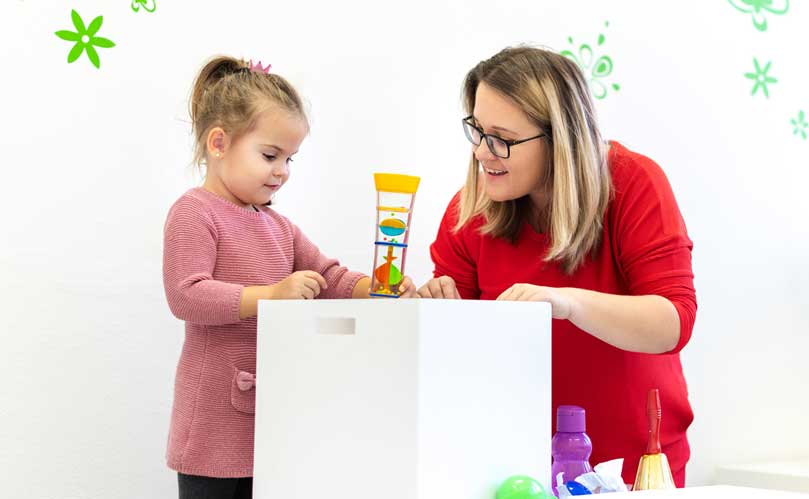
Available Services
- Autism Diagnosis / Autism Testing ABA Centers of America offers thorough autism screening, autism testing, and autism diagnosis.
- In-home ABA Therapy Our autism-care therapists bring their expertise to the environment where the client is most comfortable—home.
- Clinic Services Our center for autism care is a good environment for ABA Therapy when in-home treatment is not convenient. Our therapists make sure clients are comfortable and see our clinic as a place where they come to learn from friends.
- Telehealth We can work with clients and families to create an effective remote program or a hybrid with some telehealth and some in-person behavioral therapy.
- Caregiver Training For one to two hours a week, you’ll absorb the basics of Applied Behavior Analysis Therapy as you work with your ABA specialist and your child. We emphasize “caregiver” in our training programs because we feel it’s essential to work with anyone and everyone who is a significant presence in the child’s life.
- Community Life Skills We provide training that helps people with autism deal with the demands of daily life. The training often involves real-life settings like the grocery store or a social outing to help people with autism function with as much independence as possible.
Frequently Asked Questions
How do parents know if their child is a good candidate for ABA therapy?
Children between the ages of 2 and 12 who have an autism diagnosis and experience challenges with communication, behavior, learning, or daily routines may benefit from ABA therapy. A clinical evaluation helps determine whether ABA therapy is appropriate and what level of support is needed.
How long does it take to see progress with child ABA therapy?
Progress varies for each child and depends on factors such as therapy intensity, goals, and consistency across environments. Some families notice early improvements within months, while other skills develop gradually over time.
Do children need to attend ABA therapy every day?
Not necessarily. ABA therapy schedules are individualized. For early intervention and best outcomes, intensive programs often recommend 25 to 40 hours per week, delivered in daily sessions. However, actual therapy frequency can range from 10 to 40 hours per week, depending on the child’s unique needs and family routines.
Is ABA therapy right for my child?
ABA therapy is often a good fit for children ages 2 to 12 who have autism and need support with communication, behavior, learning, or daily routines. A clinical assessment helps determine whether child ABA therapy is appropriate, what goals matter most, and how much support makes sense now.
What does child ABA therapy actually help with?
Child ABA therapy helps children build practical skills such as communication, social interaction, attention, self-care, play, safety, and daily routines. The focus is not just on reducing challenging behaviors. It is helping children function more independently at home, in school, and in community settings.
How is child ABA therapy different from early intervention or teen services?
Child ABA therapy is built for kids roughly ages 2 to 12, while early intervention is typically geared toward toddlers and pre-K children, and teen services shift toward older developmental needs. Toddler and pre-K programs focus on school-readiness, while older children may use after-school or customized daily options.
Does insurance cover ABA therapy in Massachusetts or New Hampshire?
Many families in Massachusetts and New Hampshire can get ABA therapy covered, but the exact rules depend on the plan. In Massachusetts, state-regulated coverage and MassHealth both include ABA in many situations, while New Hampshire requires autism treatment coverage and removed prior monetary caps in 2022. A benefits check is still essential because prior authorization, network rules, and cost-sharing can vary.
Do we need an autism diagnosis before starting ABA therapy?
Yes, most families need a formal autism diagnosis before insurance-funded child ABA therapy can begin. In practice, diagnosis is usually the step that unlocks authorization, treatment planning, and the recommended ABA schedule.
Can child ABA therapy happen at home, in a center, or online?
Yes, child ABA therapy can be delivered through in-home services, clinic services, telehealth, or hybrid arrangements. That flexibility matters because some children learn best in familiar home routines, while others benefit from the structure of a clinic environment.
Are there child ABA therapy locations near Massachusetts or New Hampshire?
Yes, at ABA Centers of America, we provide services in Braintree, Charlestown, Fitchburg, Foxborough, Milford, Peabody, Wellesley Hills, and Worcester for families located in Massachusetts, plus New Hampshire locations include Nashua, Portsmouth, Rochester, and Salem.