

Early Intervention for Autism
Did you know that early intervention can make a huge difference for children who are diagnosed with autism? Recent studies have shown that early intervention can improve social skills, communication, and cognitive abilities. There is even evidence that it can help prevent some of the more serious symptoms associated with an autism spectrum disorder.
Our early intervention program provides comprehensive therapy for children with autism. Our therapists are trained in Applied Behavior Analysis (ABA) and use proven techniques to help kids learn how to communicate, socialize, and play.

ABA Centers of America Works Toward the Following Goals
Learning critical life skills
Alternatives to unwanted behavior
Building up inherent strengths
Developing social and communication skills
How Does Early Intervention Help With Autism?
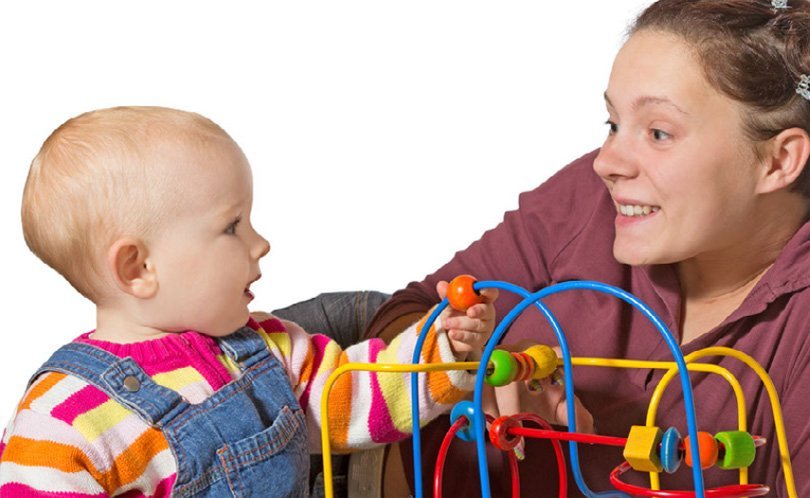
The earlier children with autism receive treatment, the better their long-term outcomes. ABA therapy is based on scientific research and has been proven to be effective for children of all ages. Our early intervention program provides a highly individualized approach that allows your child to progress at his or her own pace. We tailor the program specifically for your child’s needs and goals. Our trained therapists will work closely with you to create an individualized plan that helps your child reach his or her full potential.
ABA Therapy for toddlers, children and adolescents may include emphasis and positive reinforcement on:
- Communication skills
- Potty training
- Sitting
- Social skills
- Self-care
- Getting dressed
- Playing
- Safety
- Attention and focus
- Parent training
Individualized ABA Therapy
ABA Centers of America doesn’t believe in a “one size fits all” treatment program. Our clients are individuals, and each of them is experiencing the world in a unique way. So our therapy plans are always customized, and they allow clients to work toward mutually agreed-upon goals. Our treatment begins with a Board-Certified Behavior Analyst (BCBA) getting to know the client and family. They will conduct an assessment to determine recommended program goals. A Registered Behavior Technician (RBT) will then work with the client and family, observing and recording behavioral data that will help the BCBA create targeted programs. Each session is customized specifically to the child’s needs and family’s goals.

Individualized ABA Therapy
A typical course of ABA therapy involves 20-40 hours a week for 1-3 years. ABA therapy programs are designed by our Board Certified Behavior Analysts (BCBAs) and conducted by our Registered Behavior Technicians (RBTs). Both are governed and licensed by the Behavior Analyst Certification Board (BACB).
1
Assessment
Our treatment begins with a BCBA getting to know your family, learning what behaviors you’re interested in improving and conducting an assessment to measure skills and abilities.
2
Goal Setting
Using the results from the assessment, our BCBAs collaborate with the family to create specific, reachable objectives to address desired behavior, new skills and recommended goals.
3
Custom Planning
The BCBA develops a program to teach target skills. Then an RBT works directly with the clients to implement the agreed-upon therapy and collect critical data.
4
Evaluation
The BCBA and RBT work together, measuring targeted skills and making changes to the program if necessary.
Available Services
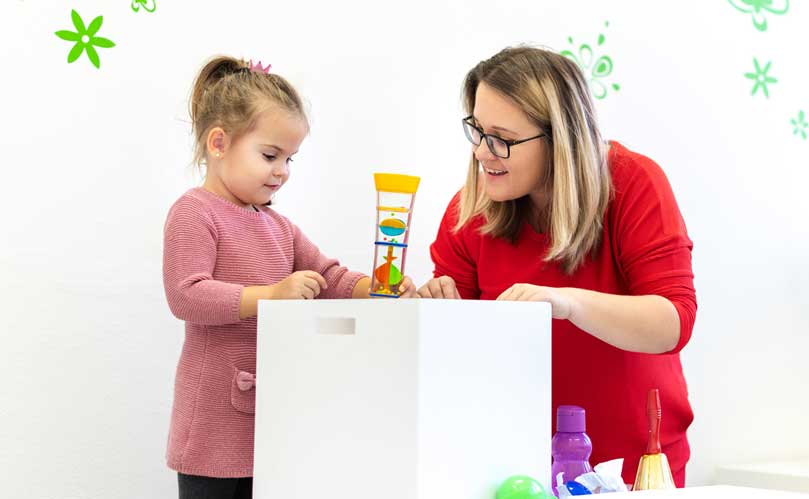
- Autism Diagnosis / Autism Testing ABA Centers of America offers thorough autism screening, autism testing, and autism diagnosis.
- In-home ABA Therapy Our autism-care therapists bring their expertise to the environment where the client is most comfortable—home.
- Clinic Services Our center for autism care is a good environment for ABA Therapy when in-home treatment is not convenient. Our therapists make sure clients are comfortable and see our clinic as a place where they come to learn from friends.
- Telehealth We can work with clients and families to create an effective remote program or a hybrid with some telehealth and some in-person behavioral therapy.
- Caregiver Training For one to two hours a week, you’ll absorb the basics of Applied Behavior Analysis Therapy as you work with your ABA specialist and your child. We emphasize “caregiver” in our training programs because we feel it’s essential to work with anyone and everyone who is a significant presence in the child’s life.
- Community Life Skills We provide training that helps people with autism deal with the demands of daily life. The training often involves real-life settings like the grocery store or a social outing to help people with autism function with as much independence as possible.
Frequently Asked Questions
At what age should a child start early intervention for autism?
Early intervention usually begins during the toddler or preschool years, often between 18 months and age four. Many specialists recommend starting services as soon as developmental delays or autism signs appear because younger brains are more adaptable to learning new skills. Beginning early intervention sooner can help build communication, social interaction, and daily living skills during critical stages of development.
Can a child start early intervention before a formal autism diagnosis?
Yes. In many cases, children can begin early intervention services based on developmental delays or concerns, even before a formal autism diagnosis is completed. Early support can begin while evaluations are still in progress. However, it’s important to note that while a child can access some early intervention services without a formal diagnosis, insurance coverage for therapies like Applied Behavior Analysis (ABA) often requires an official autism diagnosis.
How does early intervention help prepare children for preschool or school?
Early intervention supports skills such as communication, attention, emotional regulation, and adaptive behaviors that help children transition more smoothly into preschool and structured learning environments.
What happens during early intervention therapy for autism?
Early intervention programs use evidence-based ABA therapy to help young children build foundational developmental skills. Sessions typically focus on communication, social play, attention, and everyday routines such as dressing, following instructions, and interacting with others. Therapy plans are individualized, so each child progresses at their own pace. A Board Certified Behavior Analyst designs the program, while therapists work one-on-one with the child and track progress using data from each session.
How many hours of early autism therapy does a toddler usually receive?
Many early intervention programs recommend structured therapy across multiple sessions each week based on the child’s developmental needs. Some children participate in focused sessions for a few hours weekly, while comprehensive ABA programs may involve around 20–40 hours of therapy spread across several days. The intensity is adjusted as children make progress and new skills develop.
Can early intervention actually improve autism symptoms?
Research and clinical experience show that targeted therapy during early childhood helps strengthen communication, social engagement, and learning abilities, and reduces challenging behaviors. While autism is lifelong, structured ABA-based intervention can build skills that make everyday interactions and learning much easier.
Do we need an autism diagnosis before starting early intervention services?
Most insurance-funded early intervention programs require a formal autism diagnosis before ongoing ABA therapy can begin. If a child has not yet been evaluated, families can usually start with autism screening and diagnostic testing to confirm developmental needs. ABA Centers of America streamlines the assessment process so families can move from evaluation to treatment planning more quickly.
What skills are taught during early autism intervention?
Early intervention focuses on foundational abilities that help young children participate more fully in daily life. Therapy may target communication, social interaction, play skills, attention, safety awareness, and self-care tasks like dressing or potty routines. Programs also work on reducing behaviors that interfere with learning. These early skill-building goals help prepare children for preschool environments and future learning experiences.
What’s the difference between early intervention and regular ABA therapy for older kids?
Early intervention is designed specifically for toddlers and preschool-aged children who are just beginning to show signs of autism. These programs emphasize foundational development such as early communication, play skills, and parent involvement. ABA therapy for older children often focuses more on academic readiness, behavior regulation, and social skills needed in school environments. The earlier program stage prioritizes building the developmental building blocks children will rely on later.
Can early autism therapy happen at home or only in a center?
Early intervention services can take place in several environments, depending on what supports the child best. Some families prefer in-home therapy so therapists can teach skills during real daily routines. Others use center-based sessions that provide a structured learning environment with specialized resources. In some cases, programs combine settings.
How long do children usually stay in early intervention programs?
Many early intervention programs last around one to three years, although the timeline varies depending on a child’s progress and developmental goals. Programs typically involve consistent therapy during the early learning period before transitioning to school-age support services if needed.
What should parents do if they think their toddler might have autism?
If you notice developmental delays, limited eye contact, or communication differences, the first step is to seek professional screening or an autism evaluation. Early identification allows families to begin intervention sooner, which can lead to stronger developmental outcomes.