




Table of Contents
Everyday Life Creates Opportunities for Learning
Children have many opportunities to learn and practice skills outside formal ABA sessions. Getting ready in the morning, choosing a snack, playing, leaving the house, and preparing for bed can all create natural moments for children to use developing skills.
ABA strategies for parents do not mean turning these moments into a therapy lesson each time. Parents are not expected to recreate therapy sessions or become their child’s therapist. The goal is to recognize existing opportunities and, with professional guidance, use them to support communication, independence, participation, and other individualized goals.
8 ABA Strategies for Parents to Use in Everyday Life
Parents can use strategies at home by incorporating simple ABA therapy techniques at home, into everyday routines. These ABA strategies for parents should reflect each child’s individual strengths, needs, and goals and complement professional ABA therapy, not replace it.
Here are seven ways to fit these principles into family life.
1. Use Positive Reinforcement to Encourage Developing Skills
Positive reinforcement is a fundamental ABA principle.
It involves following a behavior with something meaningful to the child so that the behavior is more likely to occur again. Reinforcement does not have to mean prizes or treats. Depending on the child, it could include specific praise, attention, a high-five, access to a preferred activity, or something else they value. Reinforcement should be individualized; your child’s BCBA can help identify what is meaningful and how it can appropriately support current goals.
2. Use Visual Supports to Make Routines Easier to Understand
For some children with autism, seeing information can make a routine or expectation easier to understand than relying on spoken directions alone.
These may include photographs, picture schedules, first/then boards, labels, or simple visual checklists. A picture schedule might show several activities in order, while a first/then visual can clarify what happens before a preferred activity.
Visuals can also accompany everyday language. Parents might name an object or action while the child can see it, creating a natural connection between the language and what is happening.
3. Offer Simple Choices to Support Communication and Independence
Instead of asking a broad question, offer two options, such as choosing between two snacks, shirts, or activities. Providing a small number of meaningful choices gives children opportunities to communicate preferences and participate in everyday decisions.
Choices can create low-pressure opportunities to practice communication, self-advocacy, and independence.
Keep the options clear and genuine: if you offer two choices, both should actually be available.
4. Break Larger Skills Into Smaller Steps
Activities that seem simple to adults can involve many separate actions for a child who is still learning them.
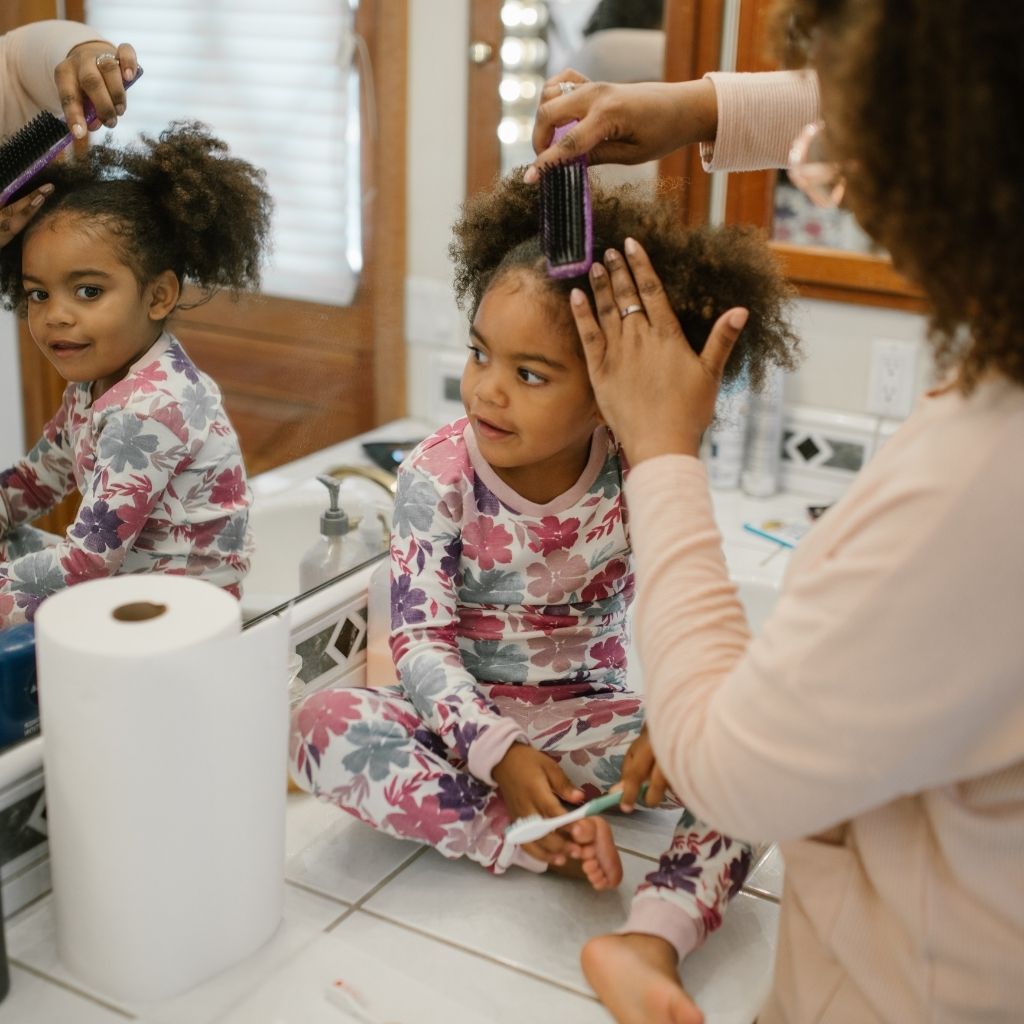
In ABA, breaking a larger skill into smaller steps is known as task analysis. Instead of treating “get ready for bed” as a single task, for example, you can view the routine as several smaller actions: putting on PJs, brushing teeth, getting into bed, reading a bedtime story, and turning off the lights.
Your child may already complete some steps independently while needing support with others. Focusing on individual parts can make a developing skill feel more manageable and provide opportunities to recognize progress along the way.
5. Model Skills and Allow Time to Respond
Sometimes showing your child what to do provides clearer information than another verbal instruction.
After showing the skill or giving a simple instruction, give your child time to process what happened and respond.
A low-pressure sequence might be:
- Demonstrate the skill or give a short, clear prompt
- Pause and wait for your child to process and try to respond
- Provide help or move on and look for another opportunity later
A few seconds of silence can feel long, but immediately repeating a direction may interrupt the child’s opportunity to respond.
6. Prepare Your Child for Transitions
Moving from one activity to another can require additional support for some children with autism, particularly when they are stopping a preferred activity or encountering an unexpected change.
Parents can make transitions more understandable by providing information before the change occurs. Depending on the child’s needs, this might involve a verbal reminder, timer, visual cue, or first/then support.
For example, instead of suddenly ending playtime, a child might benefit from knowing cleanup is approaching and what will happen afterward. The goal is to give your child information that makes changes more predictable.
7. Build Practice Into Routines You Already Have
Applying ABA therapy techniques at home does not require adding a separate block of therapy time. Daily routines already offer many opportunities for practice.
A child might practice choosing during a meal, following steps while getting dressed, taking turns during play, participating in cleanup, or building independence during a self-care routine.
A 2024 scoping review highlighted the role of caregiver training in helping families implement behavioral interventions within children’s natural environments. Across the studies reviewed, caregivers learned a range of ABA-based strategies, supporting the value of equipping families with practical skills they can use beyond clinician-led sessions.
The goal is not to find a teaching opportunity in everything your child does, but to look for a few moments where practicing a current skill makes sense naturally.
8. Notice What Happens Before Challenging Moments
Parents have a valuable perspective because they see their children across many situations throughout the day. When a challenging moment occurs, consider what was happening beforehand. In ABA, what happens before a behavior is called an antecedent.
Over time, you may notice that certain circumstances frequently come before difficult moments. These might include an abrupt transition, an unexpected change, a particular request, fatigue, or a busy environment.
These observations can provide valuable information to your child’s BCBA. However, noticing a pattern is different from determining why a behavior occurs.
You are not expected to conduct behavior assessments or design behavior intervention plans yourself. A BCBA can evaluate patterns systematically and determine whether changes to the child’s support are appropriate.
How Can ABA Therapy Techniques at Home Help Skills Carry Over?
When parents apply ABA therapy techniques at home, children get more opportunities to use developing skills with different people and in different situations. In ABA, using a learned skill beyond the original teaching situation is called generalization.
For example, a child may first learn to request help during an ABA session. Over time, being able to request help from a parent, teacher, or another trusted person can make that communication skill more useful in everyday life.
Parents can support this process by creating natural opportunities to practice skills already included in the child’s individualized goals rather than introducing new clinical targets independently.
Do Parents Need to Provide ABA Therapy at Home?

No. Parents do not need to provide formal ABA therapy at home, run clinical sessions, or act as a therapist. Qualified professionals, such as BCBAs, handle assessment, individualized treatment planning, and clinical decision-making. With guidance from your child’s care team, you can use appropriate ABA strategies for parents at home.
Parents bring a different perspective to the partnership. You know which routines tend to go smoothly, what your child enjoys, what situations may be more challenging, and where developing skills are beginning to appear.
Research on caregiver-led behavioral approaches also illustrates the potential value of supporting families in this role. A randomized clinical trial evaluating Parent–Child Interaction Therapy for children with autism and disruptive behaviors found reductions in disruptive behavior and parenting stress, along with improvements in parent-child interactions.
Know When to Practice—and When to Simply Be Together
Supporting your child’s development does not mean every interaction needs a learning objective.
Children need opportunities to play because they enjoy it, explore their interests, rest, spend time with their families, and have moments without expectations attached. Parents need that space, too.
Consistency in ABA does not mean constantly teaching. It means that when you are supporting a particular skill, your responses and expectations are reasonably predictable.
That distinction can make ABA strategies more sustainable. Find opportunities that fit family life; don’t reorganize family life around constant practice.
Small Everyday Opportunities Can Support Your Child’s Progress
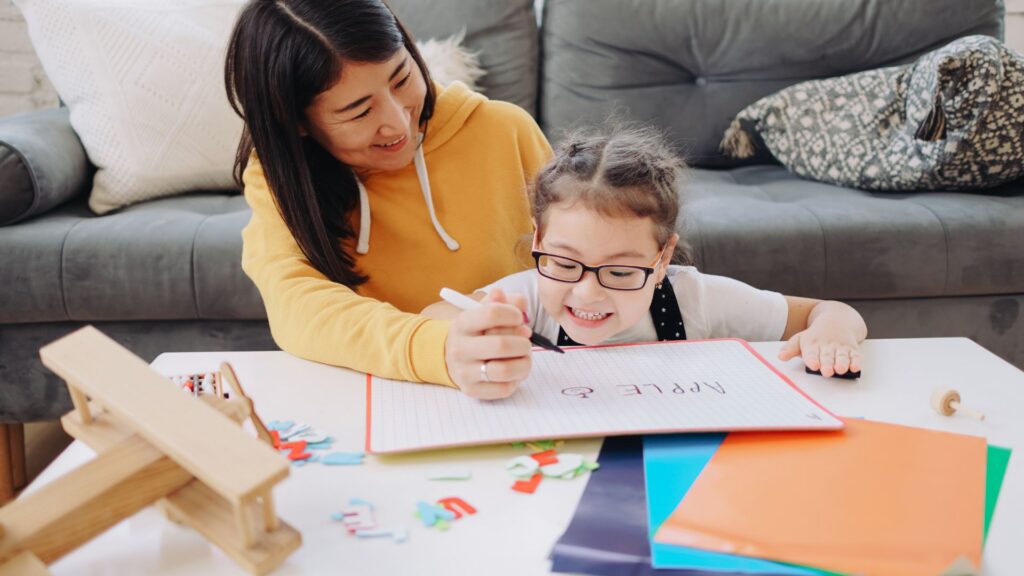
A choice during breakfast, extra time to process a request, a visual before a transition, or an opportunity to complete part of a routine independently may seem small. Together, these moments can give children meaningful opportunities to practice developing skills outside therapy.
At ABA Centers of America, we recognize parents as important partners in their child’s progress—not replacement therapists. With individualized professional guidance, ABA strategies for parents can complement treatment while helping children practice meaningful skills where they naturally live, learn, and grow.
Reach out to our team via our website or call (844) 923-4222. We can help you explore strategies and routines that fit your family’s lifestyle and your child’s needs and goals.