

Table of Contents
Why does my child with autism struggle with outings?
If you’re a parent or caregiver, you’ve probably noticed that autism and outings don’t always go hand in hand. Even a simple trip to the grocery store can become emotionally overwhelming for both your child and you. Many families wonder: “Why does my child with autism struggle with outings?”
The short answer is this: outings involve unpredictable environments; new sounds, lights, smells, transitions, social expectations, and sensory demands. For individuals with autism, each new variable can add an extra layer of stress. The good news is that with the right preparation, tools, and understanding, community outings can become not just manageable, but genuinely enjoyable.
Keep reading this guide by ABA Centers of America for a deeper look at why these challenges occur, what research tells us, and the strategies that truly help.
Autism and Outings: Why Public Spaces Feel Overwhelming
The topic of autism and outings goes beyond simple “behavior challenges.” Brain Sciences research consistently notes that public outings force individuals with autism into complex environments filled with sensory stimuli, transitions, and social expectations. These environments often lack public space readiness for autism, meaning the space doesn’t consider neurodiversity.
In addition, studies from the Australian Occupational Therapy Journal indicate that unfamiliar surroundings increase anxiety, emotional fatigue, and behavioral responses because individuals with autism often depend heavily on routine, predictability, and sensory stability.
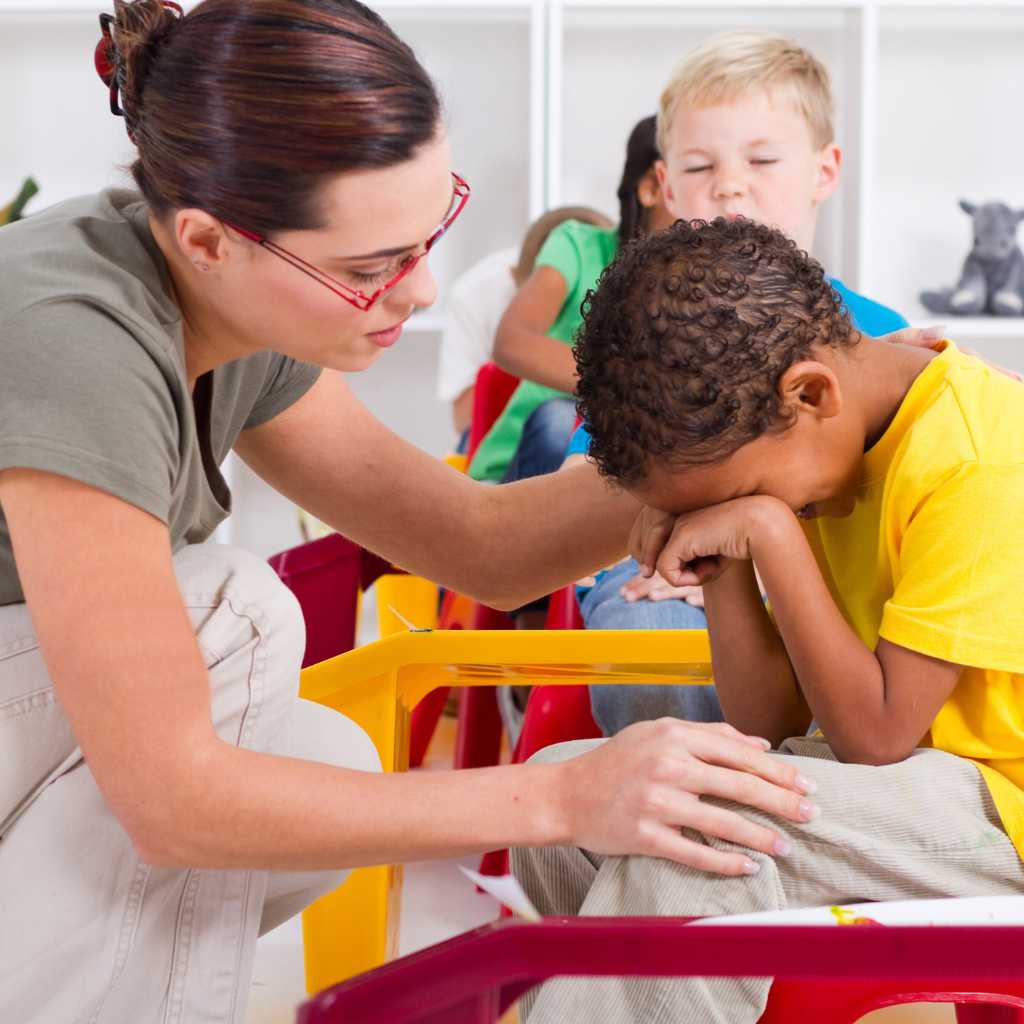
So when a child encounters a loud grocery store with bright lights, unpredictable crowds, or long waits, they’re not “acting out”—they’re experiencing overwhelm.
Preparing for Autism and Outings
- Building Predictability: Preparing Children for New Environments
Preparation is one of the most potent ways to make outings easier. Onsong Public Health and Research Perspective highlights that children with autism cope better when they understand what, when, and how things will happen. Predictability reduces anxiety, resistance, and emotional dysregulation.
Talk to your child about the plan ahead of time. Explain the purpose of the outing, how long it might take, and what they’ll be asked to do. Even if your child is minimally verbal, hearing this information repeatedly helps them feel anchored.
Many parents find that visiting a new place in small steps; parking out front one day and entering briefly the next, builds familiarity and reduces fear. These gradual steps help create comfort instead of surprise.
- Using Visual Schedules for Outings
Visual schedules are more than a picture sequence; they’re a reassurance tool. Research shows they significantly decrease anxiety during transitions by showing children each step of the outing, from leaving the house to returning home.
A simple schedule might include images that represent:
- Driving to the destination
- Entering the building
- Completing the activity
- Getting a break
- Returning home
The more consistent you are with visual supports, the more the child will rely on them to feel secure.
- Explaining New Environments with Social Stories
Social stories are an excellent tool for autism support, but they become vital for outings. They allow you to explain a place in a calm, controlled, predictable way before your child is overwhelmed by the real-life version. Studies show that social narratives improve both emotional regulation and adaptive behavior in unfamiliar settings.
A strong social story for an outing will:
- Describe the setting using concrete language
- Acknowledge sensory experiences (“The lights may be bright”)
- Outline expected behaviors without pressure
- Provide coping tools (“I can use my headphones if I need them”)
These stories empower children by giving them a “mental map” before the experience happens.
- Sensory Kits: A Quiet Hero in Public Spaces
Many parents eventually create a small “sensory survival kit” to take everywhere. This kit becomes a lifeline in noisy, bright, or unpredictable environments. Research on sensory regulation in public participation shows that self-regulatory tools significantly decrease stress, anxiety, and behavior challenges.
Your child’s sensory kit might include:
- Headphones
- Fidget toys
- Chewable jewelry
- Sunglasses
- Snacks
- A mini visual schedule
- A comfort object
Think of it as bringing “home” into the world.
Navigating Sensory Overload & Regulation
Why Public Spaces Trigger Sensory Overwhelm
Public spaces bombard the senses. Individuals with autism may process stimuli more intensely or more slowly, making each sensory input feel magnified. When all senses activate at once, the brain can become overwhelmed, leading to shutdowns, irritability, or meltdowns.
Noise is especially challenging. Children may react to:
- Loudspeaker announcements
- Sudden clangs or crashes
- Chatter and movement
- Overlapping background sounds
Sensory overload explains much of the difficulty families experience with autism and trips to the grocery store— and the same challenges that often arise in malls, airports, restaurants, and even playgrounds.

Creating Sensory Breaks in Public Settings
Sometimes all a child needs is a reset. A sensory break lets the nervous system relax before overload escalates. For example, stepping outside, taking deep breaths, sitting in the car, or finding a quieter corner.
Researchers emphasize that sensory breaks often prevent meltdowns and help children stay regulated longer. They also give children the message: “Your comfort matters.”
Behavior Support in Public Settings
Meltdowns vs. Tantrums: A Critical Distinction
One of the most misunderstood aspects of autism and outings is the difference between meltdowns and tantrums:
- Tantrums have a goal (a toy, candy, attention).
- Meltdowns are involuntary responses to overwhelm.
Studies on public behavior in autism highlight that meltdowns are neurological overload, not misbehavior. Recognizing this difference helps caregivers respond with empathy rather than frustration.
How to Support Children with Autism During a Public Meltdown
If a meltdown occurs, your priority is safety and reducing stimuli. Speak softly, avoid extra instructions, and slowly guide your child to a quieter place. Experts emphasize a calm, non-reactive approach during public distress, as added stimulation can escalate the meltdown.
It may feel embarrassing when others stare, but your child’s emotional safety is far more important than public opinion.
ABA Strategies for Outings and Community Skills
Applied behavior analysis (ABA) provides structured strategies that help individuals with autism navigate community settings. Skills often practiced include:
- Waiting in line
- Tolerating transitions
- Remaining near a caregiver
- Asking for breaks
- Communicating needs
- Coping with unexpected changes
The International Journal of Educational and Life Transitions shows that ABA-based community training improves independence, reduces anxiety, and increases successful participation.
Building Autism-Friendly Public Spaces
Fortunately, many communities are beginning to embrace autism-friendly public spaces by:
- Offering sensory-friendly hours
- Creating quiet zones
- Reducing lighting
- Training staff
- Providing visual aids
Research on public space readiness shows that these accommodations significantly increase comfort, safety, and participation for autistic individuals.
At ABA Centers of America, we not only help children develop the skills they need to navigate autism and outings, but we also create opportunities for real-world practice. We regularly host events in autism-friendly public spaces, offering families safe, welcoming environments where children can have fun, socialize, and build confidence.
Each event is supported by professional behavioral therapists, ensuring that every child receives guidance tailored to their unique needs.
Outings Can Feel Manageable with the Right Support
Managing autism and outings is not about avoiding public experiences; it’s about equipping children and families with the supports, strategies, and preparation that make outings smoother and more meaningful. With visual schedules, sensory tools, ABA-informed strategies, and growing community awareness, your child can feel more comfortable and confident navigating the world.
If you’re seeking help with outing preparedness, social skills, or sensory supports, ABA Centers of America can guide you.
Our team in Massachusetts and New Hampshire offers diagnostic evaluations, early intervention, and ABA therapy tailored to each child’s needs, helping families move from overwhelmed to empowered.
Contact us today by calling (844) 923-4222 or by filling out our online form. Together, we can help your child feel more confident, supported, and understood.