

School Readiness: Preparing Children with Autism for Preschool

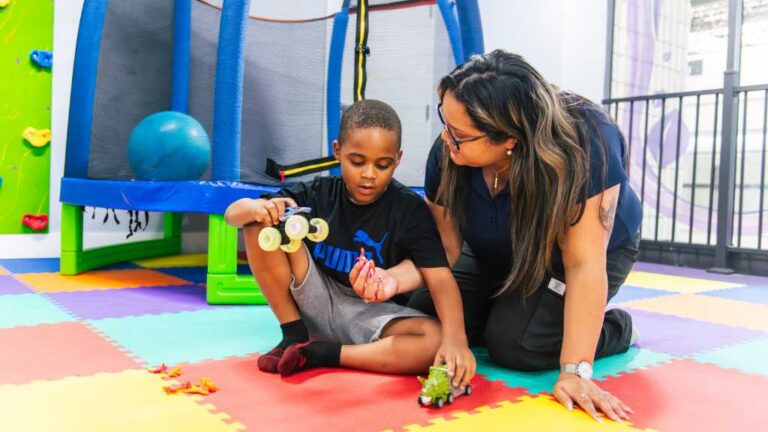
school readiness Child with backpack preparing for preschool school readiness

Table of Contents

The preschool backpack is hanging by the door. You have labeled the water bottle, practiced the drive, and explained that a teacher will help during the day. Still, questions about school readiness may keep you awake: Will my child understand the routine? What happens if the classroom becomes too loud? Will the teacher recognize what they need?

For families navigating autism and preschool, this milestone can bring pride, hope, and uneasiness at the same time. Your child does not need to master every classroom skill before the first day. Thoughtful preparation can build school readiness by making the new environment more understandable, predictable, and supportive.

Can Children with Autism Thrive in Preschool?

School readiness for children with autism means more than academic skills like counting or writing letters. It includes communicating basic needs, waiting briefly, moving between activities, and feeling safe with new people and routines. With predictable preparation, individualized support, and collaboration between families, therapists, and teachers, most children with autism can build these skills at their own pace.

Why School Readiness Matters for Children with Autism

School readiness means more than recognizing colors, counting, or writing a name. For many children on the autism spectrum, readiness also includes communicating basic needs, moving between activities, tolerating short waits, following familiar directions, and feeling safe around new people.

These skills matter because preschool introduces several demands at once. A child may encounter unfamiliar adults, group instruction, noisy play, different foods, shared materials, and frequent transitions. Even an exciting classroom can become exhausting when a child has to process speech, movement, social expectations, and sensory input simultaneously.

Preparing for change, rather than expecting a child to adjust without support, is a widely recommended approach in early autism education. Considering the child, family, classroom, and support system together tends to make transitions easier to navigate.

Preparation should not aim to make a child appear less autistic. It should give them practical tools, accommodations, and reliable ways to express themselves.

Autism and Preschool: Begin with Familiarity

A child may hear, “You are starting preschool,” without knowing what preschool looks, sounds, or feels like. Families can make the idea more concrete before the first day.

Visit the building when possible. Show your child the entrance, classroom, bathroom, playground, and pickup area. Take photos and review them at home in the order your child will encounter them. Meeting the teacher in a quiet classroom may also feel easier than meeting during a crowded arrival period.

You can create a simple visual story:

  1. We drive to preschool
  2. We walk into the classroom
  3. I put away my backpack
  4. I play and learn
  5. My grown-up comes back

Use clear language without promising that every day will happen the same way. The goal is to increase predictability while gradually helping your child handle small changes.

At home, begin shifting wake-up, breakfast, dressing, and bedtime routines toward the school schedule. Rehearsing the morning sequence can strengthen school readiness without turning home into a classroom.

Helping Preschoolers with Autism Practice Daily Routines

Some of the most useful preschool skills look ordinary: hanging up a coat, sitting briefly with a group, asking for help, washing hands, or cleaning up a toy. Practicing these routines in small steps can make the school day less demanding.

For example, do not expect your child to sit through a 20-minute activity immediately. Start with one or two minutes of a preferred book, song, or puzzle. Reinforce participation, then increase the time gradually.

Matching instruction to a child’s communication profile and daily environment is a widely supported principle in early intervention. For preschoolers with autism, this may include spoken language, gestures, pictures, sign language, or augmentative and alternative communication.

Practice functional communication that your child can use throughout the day:

  • Asking for a break, help, food, or the bathroom
  • Indicating “yes,” “no,” “finished,” or “more”
  • Responding to a few familiar classroom directions
  • Choosing between two activities or objects
  • Telling an adult that something hurts or feels uncomfortable

A child does not need speech to communicate successfully. Teachers should know how the child currently communicates and respond consistently to those attempts.

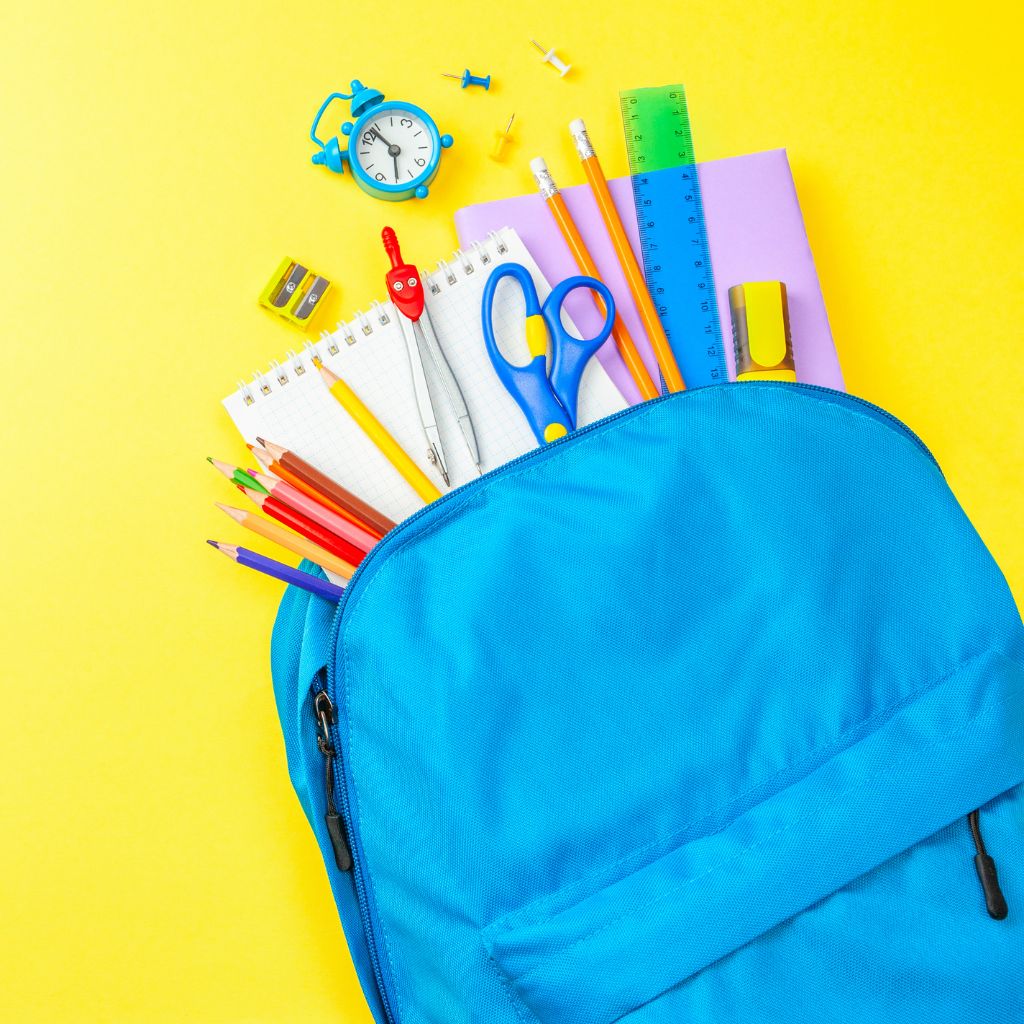
Backpack filled with preschool supplies for autism and preschool readiness

Building School Readiness Through Play and Transitions

Preschool involves many transitions: arriving, putting belongings away, moving to circle time, ending play, washing hands, eating, and going outside. A child who enjoys each activity may still struggle when asked to stop one and begin another.

Use visual schedules, countdowns, timers, and “first-then” language at home. You might say, “First shoes, then car,” while showing pictures of both steps. Practice transitions during calm moments instead of introducing every strategy during distress.

Research on early childhood development and intervention supports that children with autism vary in how they communicate, learn, respond to prompts, and participate in routines. Preschool preparation should therefore be individualized around the child’s current abilities, support needs, and everyday environments.

Play can also support school readiness. Practice taking turns by rolling a ball back and forth, adding blocks to a shared tower, or alternating pieces in a puzzle. Keep early interactions short and enjoyable. Parallel play—playing beside another child without direct interaction—also represents meaningful participation.

What Should Families Know About an IEP for Autism?
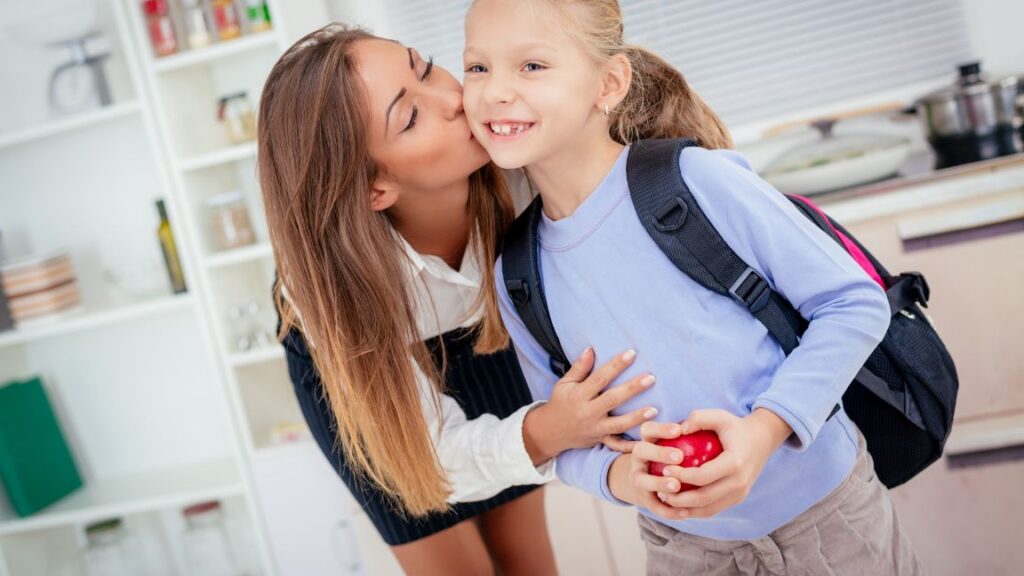
Parent encouraging child during preschool transition

A medical autism diagnosis does not automatically result in an IEP. After an evaluation, the school team determines whether the child meets special education eligibility requirements and needs specially designed instruction or related services. For an eligible child, the IEP should reflect that child’s individual strengths, needs, goals, services, and educational environment.

Eligible children may receive preschool special education services through an Individualized Education Program. An IEP for autism should describe the child as an individual, not as a collection of diagnostic characteristics.

According to the Learning Disabilities Association of America, a child does not need a formal autism diagnosis to be evaluated for an IEP — families can request an evaluation through their local public school system at any time.

An IEP differs from a 504 plan: an IEP provides individualized special education instruction and related services, while a 504 plan provides accommodations within the general education setting without specialized instruction.

Before the meeting, write down your child’s strengths, communication methods, interests, sensory needs, emerging abilities, and difficult situations. Explain what helps at home and in therapy. A child who follows instructions more easily with pictures, for example, may benefit from similar visual support at school.

The plan may address areas such as:

  • Functional communication
  • Participation in classroom routines
  • Social interaction and play
  • Adaptive or self-care skills
  • Sensory and behavioral supports

Goals should remain measurable and meaningful. “Improve behavior” does not tell the team what the child needs to learn. A clearer goal might focus on requesting a break, transitioning with a visual cue, or participating in a small-group activity for a defined period.

Families should also ask how teachers will measure progress, how often they will share updates, and what support the child will receive during difficult parts of the day. A well-designed IEP for autism connects goals with the real preschool environment.

Supporting Sensory Comfort and Emotional Regulation

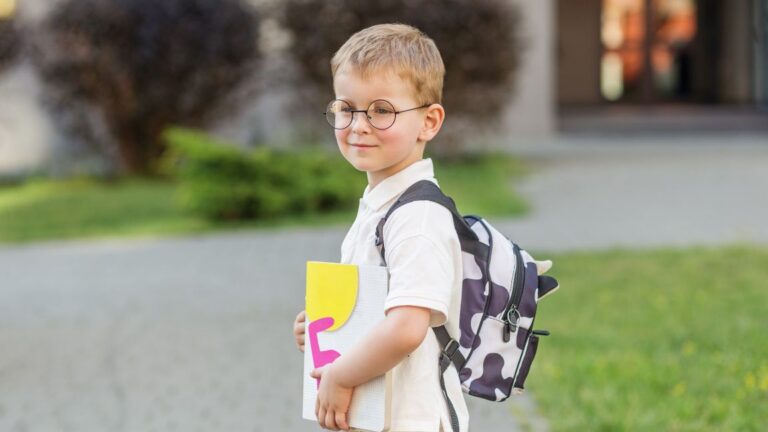
Student with backpack representing IEP for autism school support

Classrooms can include scraping chairs, fluorescent lights, music, unexpected touch, strong smells, and several conversations happening at once. A child who becomes overwhelmed may cover their ears, withdraw, run away, cry, or lose access to skills they can use comfortably at home.

Share known triggers and calming strategies with the educational team. Helpful accommodations might include headphones, a quieter workspace, movement opportunities, visual warnings, flexible seating, or access to a calm area. Adults should never use a sensory break as a punishment.

A qualitative study of parents’ experiences in inclusive education found that the quality of collaboration with school personnel varied considerably. This reinforces the importance of establishing clear, respectful communication between families and educators before preschool begins.

How ABA Therapy Can Support Preschool Preparation

Applied Behavior Analysis, or ABA therapy, can help children develop individualized skills that make daily routines more accessible. A clinical team may break a complex task into manageable steps, identify why a situation feels difficult, teach a functional alternative, and reinforce progress.

Depending on the child’s needs, ABA therapy may support:

  • Following visual routines
  • Communicating wants and discomfort
  • Moving between activities
  • Participating in play or group learning
  • Practicing dressing, eating, or bathroom routines

Parents play an essential role. When families and clinicians practice relevant skills across home and community settings, children gain more opportunities to use what they learn. The strongest school readiness plans also involve communication among caregivers, therapists, and educators so the child receives consistent support.

Progress may look different from what you first imagined. Walking into the building with less distress, using a picture to request help, staying near a group for one song, or recovering more quickly after a change can all represent meaningful growth.
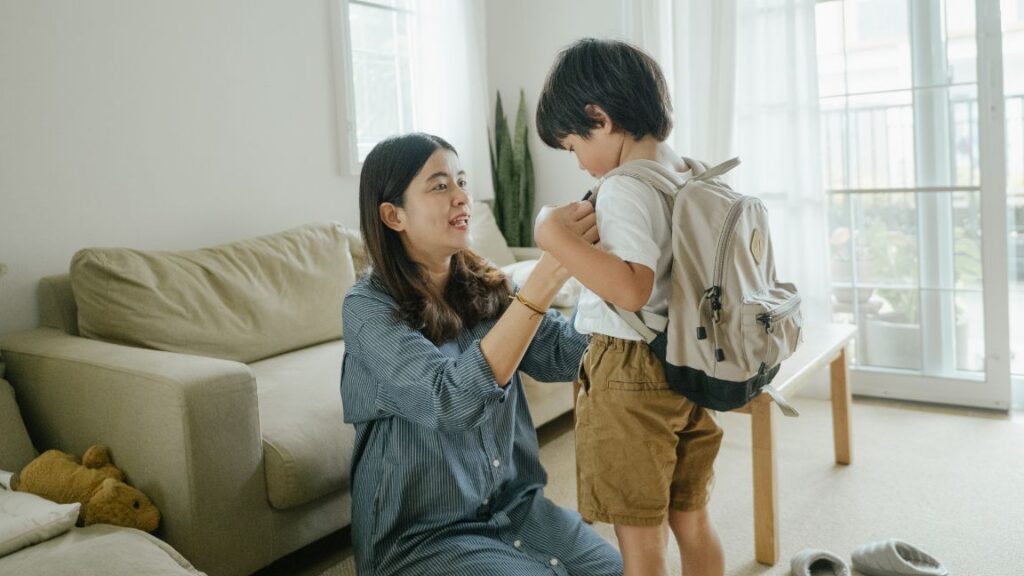

Parent helping preschooler with autism get ready for school

Preparing for Preschool One Step at a Time

You may still feel emotional when the classroom door closes. That feeling does not mean you failed to prepare. It reflects how much you care about what your child will experience when you are not beside them.

Focus on safety, communication, participation, and trust rather than perfection. Your child can build school readiness gradually, with adults who recognize their strengths and respond to their needs.

ABA Centers of America supports families preparing for this transition through individualized ABA therapy, early intervention, and collaboration with your child’s school team. Our clinicians can help identify practical readiness goals and prepare your child for new routines, environments, and classroom expectations.

Talk to our team by calling us at (844) 923-4222 or connect online!

Discover how our autism treatment services can help you.

Get Social With Us

Related Posts

autism and school Child smiling with books in school library

Autism and School: How Parents Can Turn Their Child’s Needs into Meaningful Support

Navigating autism and school involves more than choosing a classroom. Learn how parents can communicate their child’s needs, participate in the IEP process, and build ...
Read More →
ABA therapy progress Child practicing play skills during ABA therapy progress

ABA Therapy Progress: What Growth Can Look Like for Your Child

ABA therapy progress often develops through small, meaningful steps. Learn how goals are created, measured, and supported across everyday routines.
Read More →
5 stages of grief in autism parent supporting wife after receiving the autism diagnosis for their child

The Grief That Comes with an Autism Diagnosis (And That It’s Okay)

Grief after an autism diagnosis can reflect the process of adjusting to uncertainty and a future that looks different from what you imagined. Learn how ...
Read More →
My child was diagnosed with autism Parent researching next steps after child was diagnosed with autism

You Just Got the Diagnosis — Here’s What I Wish Someone Had Told Me

After an autism diagnosis, many parents look back and recognize questions they wish they had asked or lessons they wish they had understood sooner. Discover ...
Read More →
Scroll to Top