


What Is Autism Spectrum Disorder (ASD)?
Autism Spectrum Disorder (ASD) is a developmental condition that affects how a child communicates, interacts socially, and processes the world around them. It’s called a spectrum because children can present very differently—some need significant support, while others may show more subtle traits.
Think of ASD less as a single condition and more as a range of developmental patterns. Some children show clear delays early on. Others may develop typically at first, then begin to diverge in social or communication skills.
Organizations like the American Academy of Pediatrics emphasize that early identification—often before age 3—can significantly improve long-term outcomes.
The Science Made Simple: Why Age 3 Matters
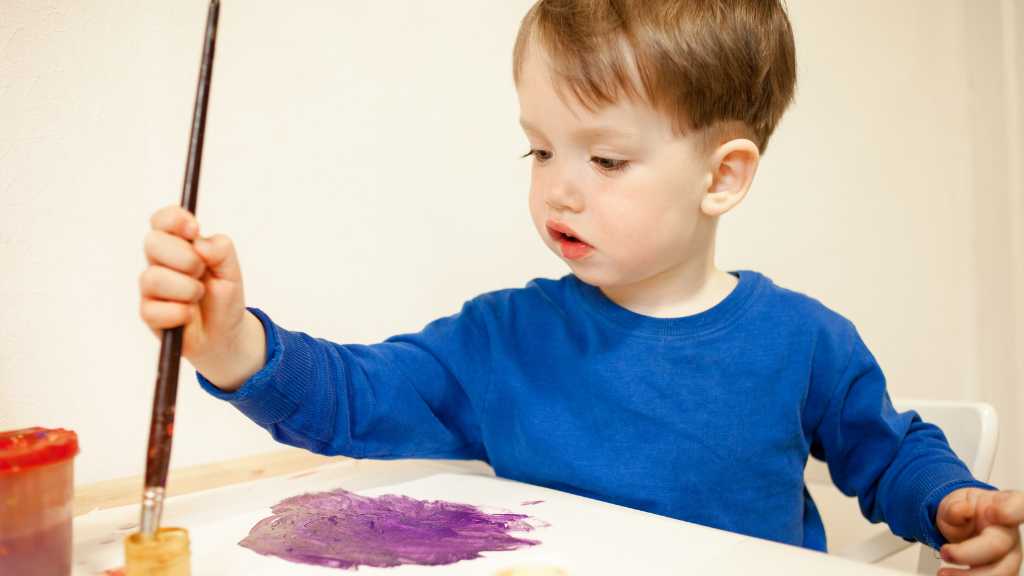
By age three, children typically show strong social curiosity, language growth, and imaginative play. When these areas develop differently, it can signal early signs of autism in toddlers.
Recent research, including findings from The Preprint Server for Health Sciences, suggests that autism presents in distinct developmental patterns. Some children show early and clear delays, while others may appear typical at first and develop challenges later—especially in social communication.
This explains why some parents ask, “Does my 3-year-old have autism?” even if earlier milestones seemed on track.
Early Signs of Autism in Toddlers at Age 3
Social Communication Differences
At three years old, most children engage in back-and-forth interactions—talking, pointing, sharing excitement.
Children showing signs of autism in a 3-year-old may:
- Avoid or limit eye contact
- Not respond consistently to their name
- Prefer playing alone rather than with others
- Struggle with simple conversations or turn-taking
According to Autism Research on developmental changes, these social differences often become more noticeable as social demands increase with age.
Speech and Language Delays
Language is one of the most common concerns parents notice.
You might observe:
- Limited vocabulary compared to peers
- Repeating phrases (echolalia) instead of creating new sentences
- “Robot-like” tone or unusual speech patterns
- Difficulty expressing needs clearly
Some children may speak well but struggle with functional communication—using language to connect socially.
This is why many parents researching “does my 3-year-old have autism” focus first on speech patterns.
Limited or Unusual Play
Play at age three usually involves imagination—pretending to cook, feed a doll, or act out stories.
Children with early signs of autism in toddlers may:
- Line up toys instead of playing with them
- Focus intensely on parts of objects (like spinning wheels)
- Show little interest in pretend play
- Repeat the same play pattern over and over
Advances in Pediatric Research emphasizes that differences in play are often among the earliest behavioral indicators.
Repetitive Behaviors and Routines
Repetition can be comforting for many children—but in autism, it often becomes more rigid.
Look for:
- Hand flapping, rocking, or spinning
- Strong attachment to routines
- Distress over small changes
- Repeating the same actions or words frequently
These behaviors help regulate sensory input or provide predictability.
Differences in Emotional Connection
Children typically seek connection—bringing toys to show, smiling back, or reacting to others’ emotions.
A child showing signs of autism in a 3-year-old may:
- Not pointing to share interest (called joint attention)
- Seems unaware of others’ feelings
- Show limited facial expressions
- Prefer independent activities over shared experiences
Research by the Autism Science Foundation continues to highlight social reciprocity as a core early marker.

Milestones vs. Red Flags at Age 3
To make this clearer, here’s how typical development compares with potential autism indicators:
Developmental Area | Typical Development (Age 3) | Potential ASD Indicator (Age 3) |
Joint Attention | Points to share excitement or interest | Points only to request or does not point at all |
Imaginative / Pretend Play | Engages in pretend play (e.g., feeding a doll, role-play) | Repetitive or non-functional play patterns |
Response to Name | Responds to name consistently | Limited or inconsistent response to name |
Social Interaction | Enjoys interactive and shared play with others | Prefers solitary play; limited interest in others |
Note: These differences do not confirm a diagnosis, but they may indicate the need for further developmental evaluation.
Does My 3-Year-Old Have Autism—or Something Else?
It’s a valid question. Not every delay means autism.
Some children experience:
- Speech delays without social challenges
- Sensory sensitivities unrelated to ASD
- Temporary developmental differences
However, when multiple signs appear together—especially across social, communication, and behavior domains—it’s important to act early.
According to a clinical study published in Children (MDPI), early developmental patterns can help specialists distinguish autism from other developmental delays.
How Cognitive Differences Can Shape Autism Signs
One important insight from autism research: ASD doesn’t look the same in every child.
For example:
- Some children with higher cognitive skills may show subtle social difficulties, but advanced language
- Others may have significant language and motor delays
This aligns with findings that cognitive level can influence how autism presents—even at age three.
That’s why comparing your child to “typical” checklists alone can feel confusing.
What You Can Do Next (And Why Timing Matters)
If you recognize several signs of autism in a 3-year-old, the next step is not to wait—it’s to evaluate.
Early intervention changes outcomes. Research consistently shows that children who receive support earlier develop stronger communication, social, and adaptive skills over time.
Here’s what to do:
Schedule a Developmental Screening
A formal screening helps clarify whether your child’s behaviors align with autism or another delay.
Seek a Diagnostic Evaluation
A comprehensive evaluation provides clear answers and opens the door to services.
Start Early Intervention Services
Therapies like applied behavior analysis for toddlers focus on building communication, social, and learning skills through structured support.
How ABA Therapy Supports 3-Year-Olds
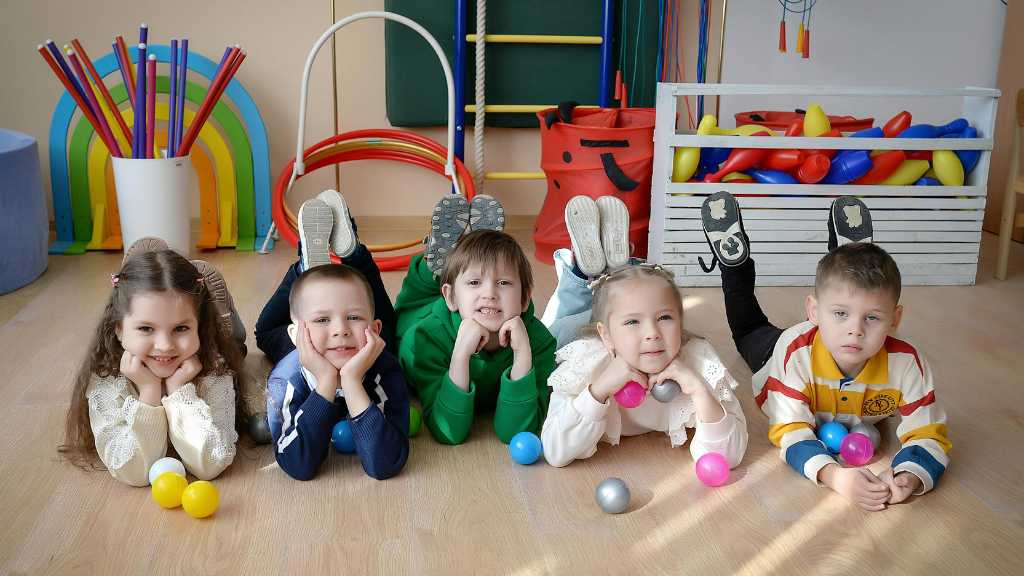
Applied Behavior Analysis (ABA) is one of the most evidence-based approaches for young children with autism.
At age three, ABA therapy focuses on:
- Building functional communication
- Improving social engagement
- Reducing challenging behaviors
- Teaching daily living skills
The earlier this support begins, the more adaptable the brain is to learning new skills.
You Don’t Have to Wait for Answers
Many families hesitate because they worry about labeling or long waitlists.
But here’s the reality: waiting often delays progress.
At ABA Centers of America, families can access:
- Fast autism screenings
- Comprehensive diagnostic evaluations
- Early intervention programs tailored for toddlers
There are no long waiting lists standing between your child and the support they need.
ABA Centers of America Supports Parents
If you’re noticing signs of autism in a 3-year-old, trust your instincts. You know your child better than anyone.
Seeking answers doesn’t mean something is wrong—it means you’re paying attention.
Early support can open doors: to communication, connection, and confidence.
If you’re asking, “Does my 3-year-old have autism?”—that question alone is enough to take the next step.
Reach out to ABA Centers of America today by calling (844) 923-4222 or connecting online.
We’re here to guide you through screening, diagnosis, and early intervention—every step of the way.