
What are Special Interests in Autism?
Special interests in autism are intense passions for specific topics or activities that many individuals with autism develop. These interests can be integrated into education and therapy to support learning, emotional regulation, and social engagement.
A parent might notice the pattern of special interests in autism early.
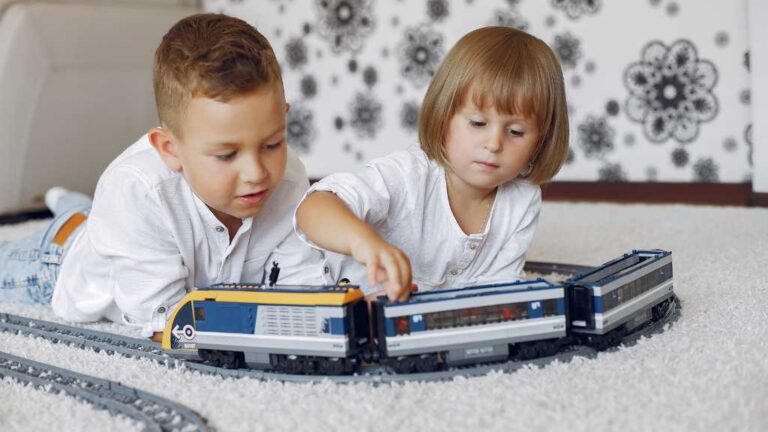
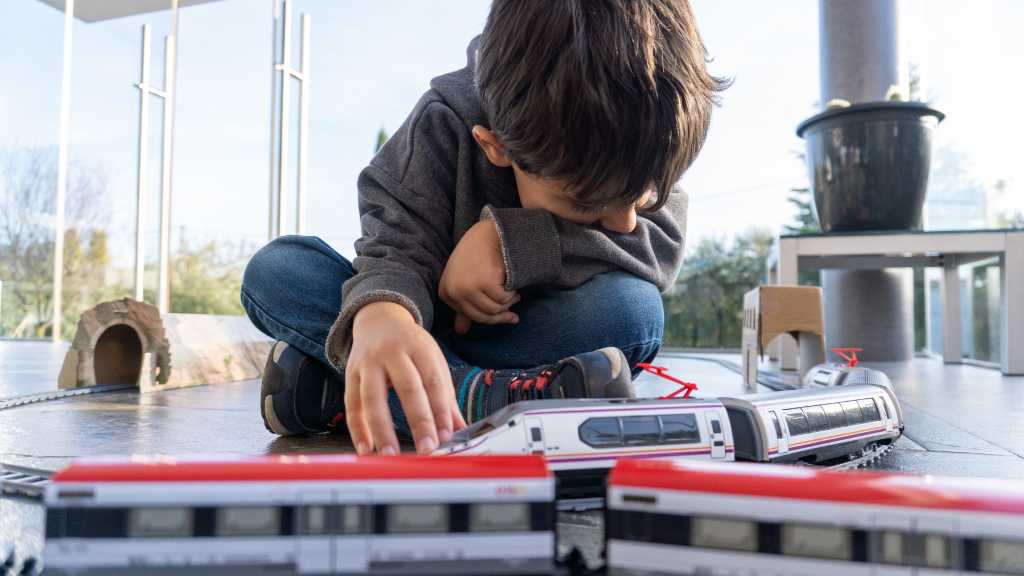
Their child wants to talk about trains during breakfast, watch train videos after school, and line up toy locomotives before bed. The interest rarely fades. It grows deeper, more detailed, and more specific over time.
At first, it can feel confusing. Some parents wonder if the behavior is too intense or if they should redirect their child toward more typical hobbies.
But what many families later discover is that special interests in autism are not random fixations or habits to eliminate. They reflect a meaningful way the autistic brain organizes attention, learning, and joy.
For many children with autism, these intense interests or focused passions provide comfort, motivation, and a powerful pathway for learning. Understanding them helps parents support their child’s development rather than fight against it.
Why Do Autistic People Have Special Interests?
Differences in motivation and reward processing in the autistic brain can lead to intense engagement with certain topics.
Special interests in autism develop because many individuals with autism experience heightened focus and reward when engaging with specific topics or activities. Research suggests differences in attention systems and motivation pathways in the autistic brain make deep, sustained engagement with preferred subjects both satisfying and cognitively efficient.
Neuroscience research examining personalized brain responses shows that individuals with autism often display stronger neural engagement when interacting with preferred interests, suggesting these topics activate motivation and attention networks more strongly than other stimuli.

Are Special Interests Good for Autistic Children?
Yes. Studies show special interests can support learning, emotional regulation, memory, and skill development when adults use them constructively.
Autism Special Interests Examples
Parents often describe these interests as laser-focused attention on a narrow topic. While every child is different, many families notice similar patterns.
Some common autism special interests examples include:
- Transportation systems — trains, buses, subway maps, flight routes
- Animals or dinosaurs — memorizing species, habitats, or evolutionary details
- Video games or technology — learning game mechanics or coding logic
- Calendars, numbers, or schedules — tracking dates, patterns, or statistics
- Specific media franchises — memorizing dialogue, characters, or story timelines
According to guidance from the National Autistic Society, these focused interests often become a major source of enjoyment and expertise, allowing individuals with autism to gain deep knowledge in areas they care about.
Parents may also notice what people commonly call ‘autism hyperfixation’—long periods of focused attention where a child becomes completely absorbed in a preferred topic. While outsiders might see this as rigid behavior, it often reflects the autistic brain’s strong capacity for focused attention and sustained learning.

Special Interests in Autism: The Science Behind Focused Attention
Scientists have spent decades trying to understand why people with autism develop special interests and why those interests can feel so intense.
Research now suggests several overlapping factors.
Differences in Attention and Motivation
Studies examining restricted and repetitive interests in young autistic children suggest that the autistic brain often processes attention and emotional reward differently.
This difference can make certain topics feel especially engaging or rewarding, encouraging children to return to them again and again.
Rather than short bursts of curiosity, children with autism may experience long periods of deep focus that allow them to explore a subject in extraordinary detail.
Brain Engagement with Preferred Topics
Advanced neuroimaging research shows that preferred interests elicit strong neural responses in individuals with autism, especially in areas linked to motivation and emotional significance.
In practical terms, this means:
- Preferred topics hold attention more easily
- Learning happens faster when tied to these interests
- Engagement remains high for longer periods
This neurological pattern helps explain why autism hyper fixation often leads to remarkable knowledge or skill development.
Early Development of Repetitive Interests
Research studying early childhood development also shows that repetitive interests may emerge very early in children with autism, sometimes before language fully develops.
These focused interests can serve as self-regulation tools, helping children manage overwhelming environments or sensory stress.
The Strengths of Autism: Why Special Interests Matter
For decades, autism research focused mainly on challenges. Newer studies increasingly highlight the strengths of autism, including the cognitive advantages linked to deep interests.
A growing body of literature on the benefits of special interests in autism shows these passions can support learning, emotional regulation, and long-term skill development.
Parents often observe these strengths firsthand.
Children with special interests may demonstrate:
- Exceptional memory for details related to their topic
- Sustained concentration for long periods
- Rapid skill development when learning connects to their interest
- Strong motivation to explore and research
For example, a child fascinated by weather systems may spend hours learning about storms, climate patterns, or satellite maps.
That curiosity can evolve into scientific thinking, data analysis skills, and independent learning habits.
In other words, what looks like autism hyper fixation can actually reflect a powerful learning engine.
How Special Interests in Autism Can Support Social Development
One concern parents often share involves social skills. If a child spends most of their time talking about dinosaurs or space missions, will they struggle to connect with others?
Research suggests the opposite may happen when adults use those interests thoughtfully.
The Review by the Journal of Autism and Developmental Disorders examined special- interest interventions and found that incorporating preferred topics into social learning activities can significantly improve social engagement in autistic individuals.
For example:
- A child who loves trains might practice conversation skills by explaining train routes
- A dinosaur enthusiast might participate in group activities about prehistoric animals
- A child interested in coding could join collaborative tech projects
Using interests as a bridge helps children connect with others without forcing them to abandon what they love.
Additional research exploring the relationship between special interests and autistic development also highlights how these passions can support learning and identity formation.
Another study examining social communication and autistic cognition emphasizes the role that focused interests can play in shaping how autistic individuals interact with the world.
Can ABA Therapy Use Special Interests?
Yes. ABA therapy often incorporates a child’s preferred interests to increase motivation, build communication skills, and support social interaction.
How ABA Therapy Uses Special Interests to Help Children Thrive
Many families worry that therapy will try to eliminate their child’s passions.
High-quality ABA therapy takes the opposite approach.
Experienced clinicians understand that special interests in autism can become powerful teaching tools.
Therapists often integrate these interests into learning activities that build communication, emotional regulation, and daily life skills.
Using Interests as Motivation
Therapists often incorporate a child’s preferred topic into lessons.
For example:
- Practicing reading with train books
- Learning math through dinosaur statistics
- Teaching conversation skills using favorite characters
This approach increases engagement and reduces frustration.
Expanding Interests Into New Skills
Instead of limiting a special interest, therapists help children expand it.
A child fascinated with maps might:
- Practice geography skills
- Learn navigation concepts
- Develop storytelling through travel routes
This builds broader learning while respecting the child’s natural curiosity.
Supporting Social Interaction
Special interests often become a shared communication pathway.
Therapists may create opportunities for children to:
- Share their expertise with peers
- Practice turn-taking in conversations
- Collaborate on projects related to their interest
Research suggests this approach can strengthen both social engagement and confidence.