

Is it Possible for Children with Autism to Fly on Airplanes?
Autism and airplanes can feel like an overwhelming combination for many families. The idea of navigating crowded airports, loud engines, security lines, and long flights is stressful enough on its own. Add sensory sensitivities, communication differences, or anxiety, and it becomes understandable why some parents of loved ones with ASD hesitate to make travel plans.
Many families ask: Is it possible for children with autism to fly on airplanes?
The short answer is yes. However, it may require preparation, understanding, and the right support. Every child on the autism spectrum is different, and so is every travel experience.
Fortunately, with thoughtful planning and awareness of potential challenges, flying can become not only manageable but meaningful and rewarding.
In this blog by ABA Centers of America, we’ll explore why airplanes can cause travel stress for some individuals on the autism spectrum, outline practical steps families can take, and discuss how support systems like ABA therapy and early intervention can make a real difference.
So, keep reading to learn more!
Why Autism and Airplanes Can Be Challenging: Sensory Issues, Anxiety, and Air Travel Stress
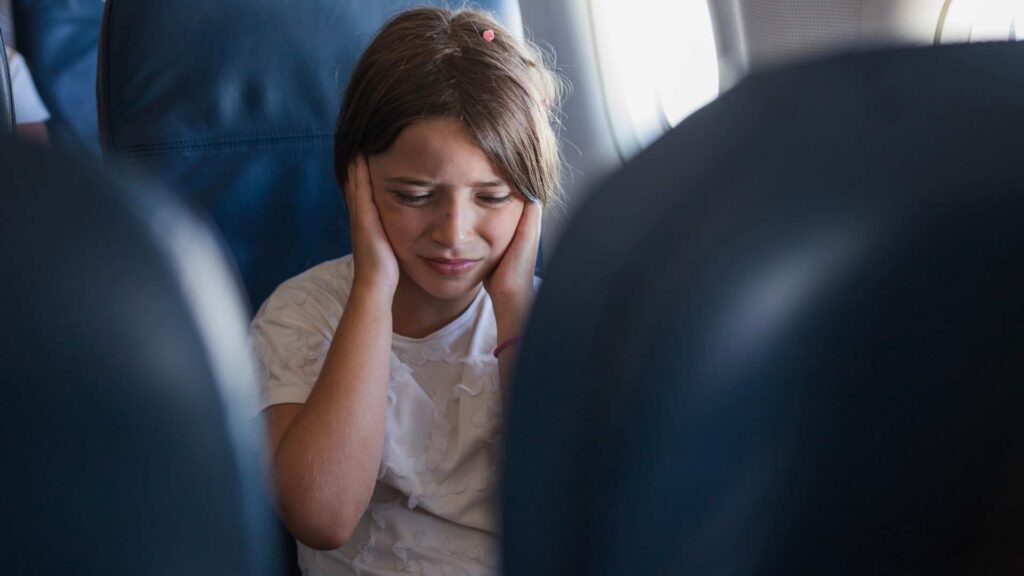
When people talk about autism and airplanes, they’re often referring to the unique sensory and emotional challenges that air travel can present.
According to research by the National Library of Medicine, many individuals with autism experience heightened sensory sensitivities that make environments like airports especially overwhelming.
Airports are filled with bright lights, constant announcements, crowds, unpredictable delays, and unfamiliar procedures — all of which can increase anxiety and sensory overload.
On airplanes themselves, additional stressors that may come into play include:
- Loud engine noise during takeoff and landings
- Changes in air pressure
- Confined seating
- Strong smells
- Unexpected turbulence
- Limited movement
For someone who relies on routine and predictability, flying can feel chaotic. Sudden changes, such as gate switches or delays, can significantly increase travel stress for individuals with autism.
Research also highlights how anticipatory anxiety — worrying about what might happen — can begin long before departure. For children with ASD, this anxiety may show up as meltdowns, withdrawal, repetitive behaviors, or resistance to travel plans.
Understanding these challenges is the first step. Children with ASD are not being “difficult.” Their responses are typically rooted in how the brain processes information, sensory input, and change.
Preparing for Autism and Airplanes: Practical Tips for Travel Experiences with Autism
Preparation can transform the experience of autism and airplanes from overwhelming to manageable.
Here are practical strategies drawn from travel and ABA therapy experts:
Familiarize Your Child with the Experience
Social stories and visual schedules can be powerful tools. Creating a simple step-by-step guide of what will happen — such as arriving at the airport, going through security, and boarding the plane —can help reduce uncertainty.
Some airports offer “practice runs” or rehearsal programs that allow families to walk through the airport experience without actually flying. These programs help children build familiarity in a low-pressure setting.
You can also:
- Watch videos of airplane takeoffs and landings
- Look at pictures of airport security procedures
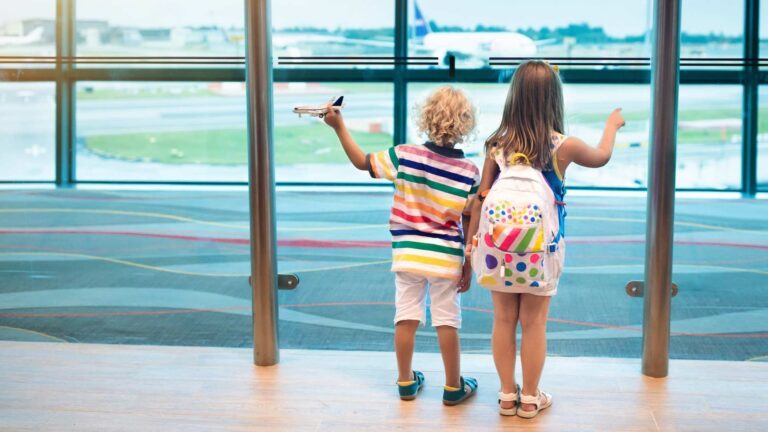
- Visit the airport viewing area before the trip
Predictability reduces fear.
Plan for Sensory Comfort
The Role of ABA Therapy and Early Intervention in Travel Readiness
Support systems like ABA (Applied Behavior Analysis) therapy and early intervention can play a meaningful role in preparing families for air travel.
ABA therapy focuses on building practical skills, communication strategies, emotional regulation, and adaptive behaviors. These are all directly relevant when navigating travel stress.
For example, ABA sessions can include:
- Practicing waiting skills
- Rehearsing security screening steps
- Teaching coping strategies for loud environments
- Reinforcing flexible thinking when plans change
Early intervention is particularly impactful. Research consistently shows that children who receive support early develop stronger coping skills and adaptive behaviors over time.
Organizations like ABA Centers of America provide services such as diagnostic testing, early intervention programs, and individualized ABA therapy plans. These services are not just about academic skills — they also support real-world situations like family travel experiences.
Autism and airplanes don’t have to remain a source of fear. With therapeutic guidance, children can gradually build the tools they need to handle new experiences.
Creating Positive Travel Experiences
It’s important to remember that many individuals with autism do fly successfully. In fact, travel can offer them enriching opportunities, including visiting family, exploring new places, and creating memories that last a lifetime.
When planning for autism and airplanes, focus on strengths as much as challenges.
Ask yourself:
- What motivates my child?
- What helps them feel safe?
- What routines can we maintain while traveling?
Celebrate small victories. Maybe the first goal isn’t a cross-country flight, but a short one-hour trip. Maybe it’s simply practicing sitting calmly in a busy environment.
Progress doesn’t have to be dramatic to be meaningful.
Supporting Families Through the Journey

Air travel with autism can be challenging due to sensory overload, anxiety, and routine disruptions. But applying practical ABA strategies like using visual supports, sensory accommodations, and clear communication can make a significant difference.
Autism and airplanes may require extra planning, but they don’t have to limit your family’s travel experiences or ability to make incredible memories around the world.
ABA Support with ABA Centers of America
Flying with autism isn’t about eliminating challenges. It’s about building confidence, creating preparation strategies, and ensuring neurodiverse families feel supported every step of the way.
If you’re looking for professional guidance, ABA Centers of America offers comprehensive ABA and ASD services.
These include:
- Autism diagnostic testing
- Early intervention programs
- ABA therapy is customized to each client’s challenges and strengths
If you’d like to learn more about how ABA care can support your neurodivergent child or teen’s development and independence, consider reaching out to ABA Centers of America by calling (844) 923-4222 or connecting with us online.
The right support can make all the difference — both on the ground and at 30,000 feet.