
Table of Contents
Athletes with autism spectrum disorder (ASD) are becoming increasingly visible in sports, broadening public understanding of neurodiversity and various paths to athletic success.
Many families ask: Can children with autism play sports?
Often, the answer is yes. With the right support, sports can foster physical, social, and emotional growth, which can be important developmental opportunities for children and teenagers on the autism spectrum.
This article from ABA Centers of America explores research and experiences related to autism in sports.
We also highlight athletes who have openly shared their diagnoses and explain how supportive interventions may help children with ASD engage in athletic activities with more confidence.
So, keep reading to learn more about sports, and athletes with autism who are open about their diagnoses!
Understanding the Benefits of Sports for Autism
Some parents may wonder whether sports environments will feel overwhelming for their child, especially when considering sensory sensitivities or social challenges.
However, research by Frontiers in Psychiatry suggests that structured physical activity can offer several potential benefits for children on the spectrum. These may include:
1. Physical Development
Regular movement activities may support coordination, balance, and overall physical health. Structured sports can also help children practice motor skills in a consistent setting.
2. Emotional Regulation
Physical activity has been associated with reduced stress and improved emotional regulation. Some families report that their children appear more regulated after engaging in sports or other forms of exercise.
3. Predictability and Routine
Many sports follow structured formats, including warm-ups, drills, and gameplay. This predictability can be helpful for children who thrive on routine.
4. Social Interaction Opportunities
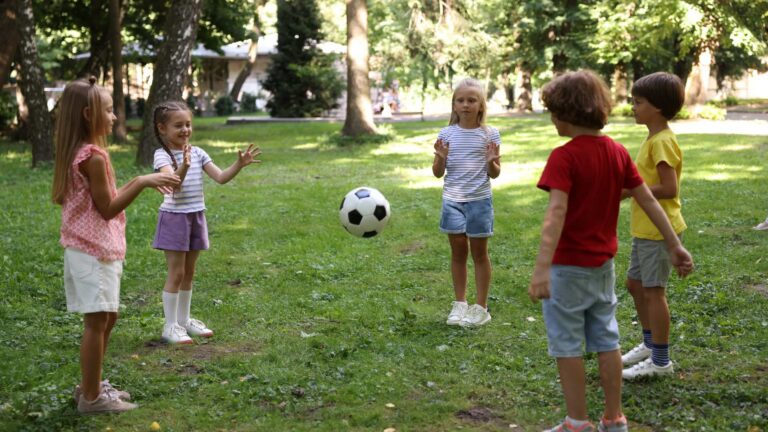
Sports can provide structured opportunities for interaction, such as turn-taking, following shared rules, and participating in group activities. These experiences may support the development of social skills over time.
Athletes with Autism and Neurodiversity in Sports
Several athletes with autism have shared their experiences of being on the spectrum, helping broaden representation in sports and offering real-world examples of different developmental paths.
Below we discuss a few:
1. Breanna Clark a Paralympic gold medalist in the T20 400 meters, was diagnosed with autism at a young age. Over time, track and field became an important part of her routine. With guidance and consistent training, she developed the focus and discipline needed to compete at an elite level.
Her journey reflects how structured physical activity can support skill development and confidence for some individuals.
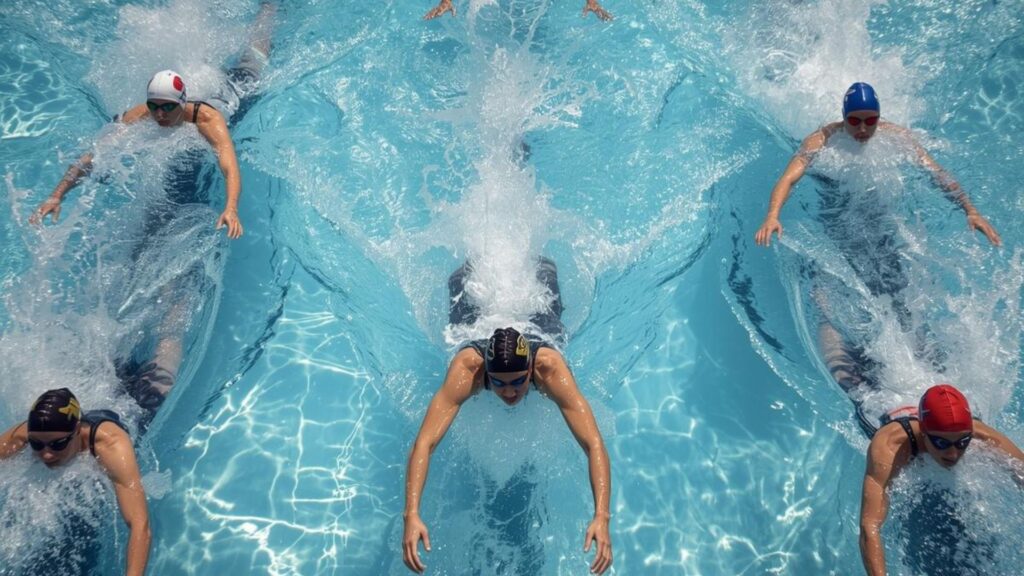
2. In swimming, Reece Dunn, a British Paralympian, has earned multiple medals and set world records in S14 events. Dunn has described how the consistency of training and the rhythm of swimming supported his progress as an athlete.
For some individuals, predictable movement patterns can make certain sports more accessible and enjoyable.
3. Fellow British swimmer Jordan Catchpole also reached the Paralympic stage, winning gold as part of the Tokyo 2020 mixed freestyle relay team. His path highlights the role of early encouragement, coaching, and access to supportive programs in helping athletes pursue competitive opportunities.
4. Outside of traditional Olympic pathways, Ranveer Singh Saini became the first Indian golfer to win gold at the Special Olympics. Introduced to golf as a child, he developed skills in a sport that emphasizes precision and repetition.
His experience shows how different sports environments can align with individual preferences, including quieter or more structured settings.
5. Tony Snell, a former NBA player, publicly shared his autism diagnosis as an adult. His story has contributed to broader conversations about late diagnosis and neurodiversity in professional sports, offering visibility for individuals who may not receive a diagnosis until later in life.
These examples highlight that individuals with autism can engage in sports in unique ways, with different strengths, interests, and support needs.
It is also important to approach public conversations carefully. While some well-known athletes are occasionally speculated to be on the spectrum, diagnoses should only be acknowledged when individuals have chosen to share that information themselves.
Important Note on Public Discussions of Autism in Sports
When discussing autism and athletics, it is important to rely on confirmed information and avoid assumptions. Some athletes are occasionally included in conversations about neurodiversity, but their diagnostic status has not been publicly confirmed.
For example, some media outlets and individuals have speculated that Fernando Mendoza might be on the spectrum or neurodivergent. However, there are no reports or official statements from Mendoza or his family confirming any autism diagnosis or discussing neurodivergence.
Similarly, Jeremiyah Love has spoken about personal experiences that some may associate with neurodivergent traits, though formal diagnostic information is not widely documented.
Acknowledging this distinction helps ensure respectful and accurate representation. Traits such as focus, routine preferences, or communication differences can occur in many individuals and should not be used to infer a diagnosis.
Even so, stories from a wide range of athletes can still be meaningful for families exploring autism in sports, as they highlight the variety of ways individuals with ASD can engage with them.
Supporting Participation: ABA Therapy and Early Intervention
Some children may benefit from additional support when entering sports or group activities.
Applied Behavior Analysis (ABA) therapy is one approach that focuses on building practical skills through structured, individualized strategies.
These may include:
- Developing communication skills for interacting with coaches and peers
- Practicing emotional regulation strategies during challenging situations
- Increasing tolerance for new or sensory-rich environments
- Strengthening attention and the ability to follow multi-step instructions
Early intervention can be especially helpful, as it allows children to build these foundational skills during key developmental stages. Collaboration among families, therapists, and coaches can make a meaningful difference in helping children access and enjoy sports.
Encouraging Exploration in Sports
Interest in sports can look different for every child. Some may prefer team environments, while others may gravitate toward individual activities.
Fortunately, families can support healthy participation for loved ones with ASD by starting with low-pressure opportunities, such as community programs or informal play, and gradually building comfort over time.
If additional support is needed, working with qualified autism professionals, including ABA providers, can help identify strategies tailored to a child’s strengths and needs long-term.
More About Expert ABA Care with ABA Centers of America
If your family is seeking guidance on supporting young athletes with autism, contact ABA Centers of America today to learn more about our diagnostic evaluations, early intervention programs, and ABA therapy.
Every child deserves the opportunity to explore activities that align with their interests. Start your child’s journey today—reach out to ABA Centers of America by calling us at (844) 923-4222 or contacting us online.
Let’s discuss how we can help your family support meaningful sports participation at your child’s pace and in their own way.