


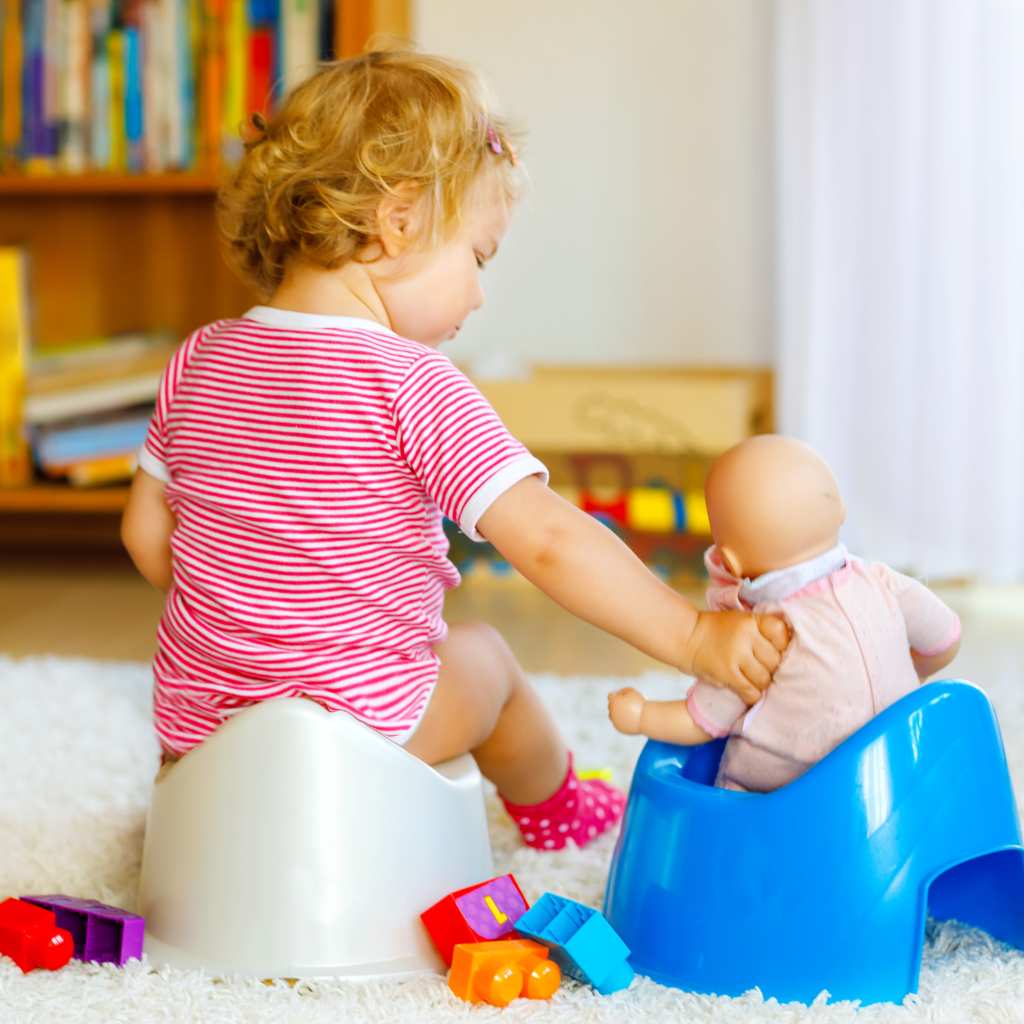
A Comprehensive Guide to Toilet Training for Autism!

A Comprehensive Toilet Training for Autism

Table of Contents

How to Potty Train a Child with Autism?

Let’s face it, toilet training for autism can be complicated for many parents. Families of a child diagnosed with autism spectrum disorder (ASD) face a unique set of challenges that often require patience, compassion, and in some cases, expert support. Additionally, it’s essential to recognize that toilet training a child on the spectrum may require more time than for a neurotypical child and may benefit from a one-on-one approach.

If you’ve been wondering how to potty train a child with autism, you’re not alone. Many parents navigating autism and toilet training find that traditional methods don’t always work the same way. Differences in communication, sensory processing, and routines can all impact how a child learns this essential skill.
 
The good news is that ABA toilet training offers a structured, evidence-based approach that helps children build independence while supporting families at every step. With the right strategies and guidance, toilet training can become more manageable and even a positive experience for both you and your child.
 
In this guide from ABA Centers of America, we’ll explore how ABA therapy for toilet training works and offer helpful tips for families embarking on this journey with their children.

What Are Common Challenges in Toilet Training for Autism?

Many parents ask, ” Does autism affect toilet training? The answer is yes, autism can influence how a child learns toileting skills, but it does not prevent success.
Children on the spectrum may experience challenges such as:
 
  • Sensory sensitivities to sounds, textures, or smells
  • Difficulty recognizing bodily signals
  • Communication barriers
  • Anxiety around new routines or environments
These factors can make toilet training for autism more complex. However, with patience and the right support, children can successfully develop these important life skills.
 
It’s also important to remember that every child progresses at their own pace. Understanding your child’s unique needs is key when approaching autism and toilet training.
 

What Is ABA Toilet Training?

For parents of children struggling with toilet training, ABA therapy can offer hope and a way through the complex process. Applied Behavior Analysis, or ABA therapy, focuses on teaching new skills and behaviors through positive reinforcement, among other powerful interventions.

With toilet training, Board Certified Behavior Analysts (BCBAs) work to identify specific issues or challenges that may hinder a child’s progress in toileting. From there, the BCBA develops a structured plan to address areas that require supportive intervention. 

This may include:
  • Visual schedules
  • Social stories
  • Consistent routines
  • Reinforcement systems
Little kid learning how to potty train

With support from a Registered Behavior Technician (RBT), children can build independence and confidence over time.

At its core, ABA potty training uses positive reinforcement to encourage progress—helping children recognize when they need to use the bathroom, communicate those needs, and complete the toileting routine more independently.

How Does ABA Therapy for Toilet Training for Autism Make the Process Easier for Families?

ABA therapists help children with autism understand and learn the toileting process in a way that empowers them and utilizes their strengths.

ABA helps by:
  • Breaking the process into simple, achievable steps
  • Reinforcing progress consistently
  • Using the child’s strengths to support learning
  • Creating predictable routines

ABA therapy keeps toileting fun and playful by celebrating every win. Praise and celebration can come in the form of verbal compliments or full-blown potty parties where everyone celebrates a child’s success! ABA therapy for toilet training focuses on making the experience positive.

This light and rewarding approach can make all the difference in helping children with autism feel more confident and ready to learn to use the potty. It also assures parents that their child receives individualized attention to reach this significant developmental goal.

Practical Tips for Toilet Training for Autism at Home
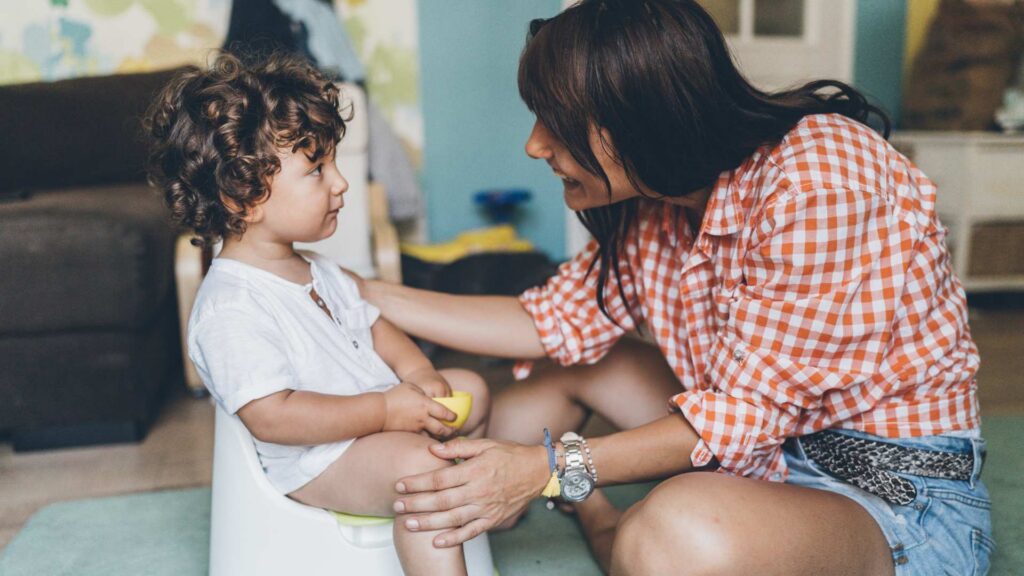
Mother Toilet Training for Autism with Her Son

When toilet training for autism, it is crucial to understand that your experience will be individual, including gains and occasional setbacks. However, with ABA therapy, you can give your child the tools they need to succeed.

Here are four simple ABA tips for toilet training for autism!

1) Introduce Going to the Bathroom before Beginning Any Steps.

Talk about potty before setting any expectations to demonstrate the skill. Try to introduce potty time without emphasizing urgency or consequences. Promote curiosity around the potty instead of fear.

2) Get Your Child Comfortable with the Bathroom Environment and the Sensation of Sitting on a Toilet.

For some kiddos, sitting on the toilet can be overwhelming. There are a few ways to increase your child’s comfort and confidence around waiting to potty. Some practitioners may even encourage parents to bring a potty to a fun place!

Try positioning the potty in front of the TV during a child’s favorite movie or allowing iPad access while they relax on the toilet. Some families may reserve a favorite gadget or a reward as positive reinforcement for sitting on or using the bathroom. The goal is to eliminate fear, pressure, and stress around going potty.

3) Incorporate Visual Aids or Social Stories to Help the Child Feel Familiar with the Practice.

Use social stories, picture schedules, or storybooks to break down the steps for using the bathroom. Eliminate surprises and ensure your child understands the process thoroughly before setting expectations for implementing measures.

4) Celebrate ALL Successes!

Many ABA providers cannot emphasize enough how vital it is to celebrate ALL wins your child makes when toilet training. For many kids with autism, much hard work goes into learning to use the bathroom, so praising your child for every effort is essential! Even if they didn’t “go,” observe appropriate bathroom behaviors, such as sitting properly on the toilet, washing hands, or flushing.

With practice and consistency, a child with autism can successfully begin the toileting process as independently as possible. While the experience and results may vary, ABA therapy will help your child make progress toward these goals.

How Can You Establish a Positive Environment While Teaching Toilet Training for Autism?

Creating a positive environment is vital to establishing successful toilet training experiences with your child. Making potty time feel fun includes designing a physical environment conducive to learning and practicing the skills. Establish a toileting space and use effective aids to communicate expectations.

Setting up a positive environment around toileting includes never punishing or shaming accidents or regression. Parents can confidently navigate the toilet training process with ABA therapy by remaining compassionate and working collaboratively with their child’s ABA practitioners.

What Is a “Potty Party” In ABA Therapy?

The potty party is a popular technique used in ABA therapy to toilet-train children. The potty party is an innovative way to create excitement and motivation around toileting. During a potty party, the child is celebrated and rewarded for their progress in using the potty or taking steps toward it.

Individuals participating in the party may sing, dance, or cheer! The technique has proved fun and engaging, as celebrants associate toileting with feeling great. Potty parties are a compassionate, intelligent, and optimistic approach to teaching fundamental, life-changing toileting habits.

Because every child’s potty-training journey is different, a potty party might be for some, but not all. However, it can be a helpful tool for many.

What Other Strategies Does ABA Therapy Use for Toileting?

ABA-based programs typically use a combination of interventions to address needs, such as using the bathroom. RBTs and BCBAs may implement focused reinforcement, discrete-trial training, physical prompts, and scheduled routines, and encourage caregivers to model appropriate behaviors. The goal of ABA therapy for toileting is to help the child identify the need to use the bathroom, communicate that need appropriately, and complete the toileting routine.

ABA Centers of America and ABA Therapy for Toilet Training

ABA therapy is an effective tool for families touched by autism who are looking to make toilet training for autism easier. ABA Centers of America employs fantastic, certified ABA experts who help make the toilet-training experience for families navigating autism more stress-free and gratifying. With optimism about your child’s goals, parents can feel confident that they have selected the best resource to help their child learn to use the toilet more independently.

Remember, you are never alone during this process. Together, we can ensure your child reaches their fullest potential on their journey toward self-care and independence.

For more information about ABA Centers, call (844) 923-4222 or contact us.

Discover how our autism treatment services can help you.

Get Social With Us

Related Posts

How early should ABA therapy start ABA therapist helping a toddler with an art activity

How Early Should ABA Therapy Start? A Parent’s Guide After an Autism Diagnosis

After an autism diagnosis, many parents wonder how early ABA therapy should start. This guide explains when to begin ABA therapy, why early intervention can ...
Read More →
Early intervention ABA for autism

Early Intervention ABA: Benefits and How It Works

Learn how early intervention ABA therapy can support toddlers with autism by building communication, social, and daily living skills during key developmental years.
Read More →
What to expect at a Developmental pediatrician appointment. Doctor speaking with a young child during medical appointment

What to Expect at a Developmental Pediatrician Appointment

Wondering what to expect at a developmental pediatrician appointment? This guide helps parents prepare for the visit, understand developmental delays, and take the next step ...
Read More →
Different kids with diverse autism levels

Autism Levels and Their Differences Explained

Learn in this blog by ABA Centers of America about the three autism levels and how personalized ABA therapy can make a difference.
Read More →
Scroll to Top