

Why Is My Toddler Lining Up Toys? Is It a Sign of Autism?

Child lining up toy figures in a row, signs of autism in toddlers

Table of Contents

Is lining up toys a sign of autism in toddlers?

You’re sitting on the floor after a long day, watching your toddler play. Instead of pushing cars across the room or pretending they’re racing, they carefully place each one in a straight line. If you move one—even slightly—they quickly put it back. It’s precise. Intentional. And if you’re being honest, it’s a little concerning.

Many parents find themselves asking the same question: 

Is lining up toys a sign of autism in toddlers?

Seeing a toddler lining up toys can be a normal part of development, but when it happens frequently, rigidly, or alongside other delays, it may be one of several early signs of autism in toddlers. Context, frequency, and accompanying behaviors matter more than the behavior alone.

In this blog by ABA Centers of America, we will explore repetitive behaviors in toddlers, such as lining up toys, and their connection to autism spectrum disorder (ASD).

Understanding Why Toddler Lining Up Toys Happens

At its core, a toddler lining up toys is a form of organization and exploration. Young children learn about their world through patterns, repetition, and sensory experiences. For some, arranging objects brings a sense of control and predictability.

Research by the University of Kansas on repetitive behaviors in toddlers shows that these behaviors can serve different purposes for children. Some children repeat behaviors to learn cause and effect, while others use them to regulate sensory input or reduce anxiety.

In typical development, you might notice:

  • A toddler lines up blocks, then knocks them down and laughs
  • They shift between organizing and imaginative play
  • They don’t get upset if the pattern changes

But when a toddler lining up toys becomes the main way a child plays—without flexibility or variation—it can signal something deeper.
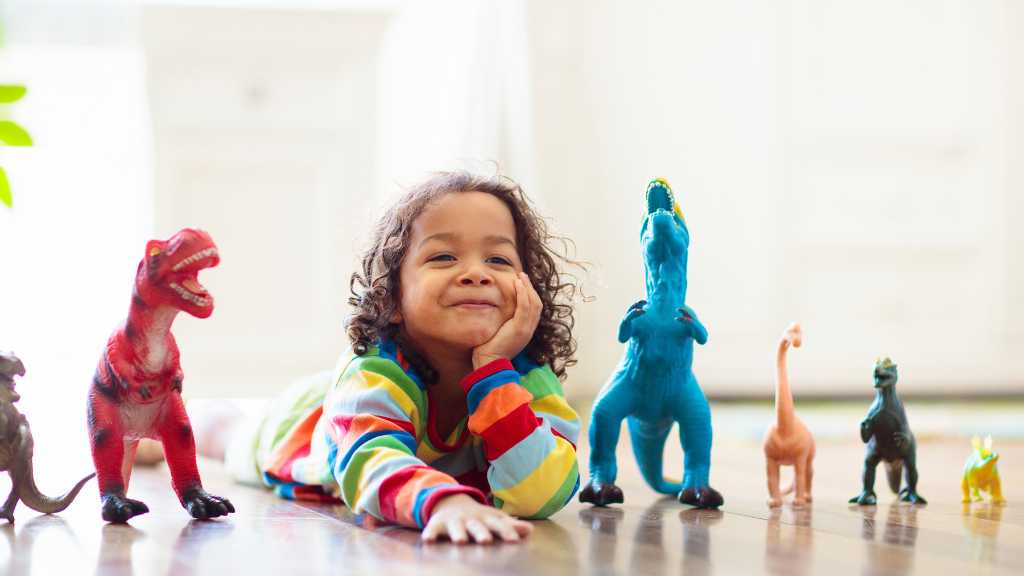
Toddler lining up dinosaur toys, signs of autism in toddlers and repetitive play

The Connection Between Repetitive Behaviors in Toddlers and Autism

One of the hallmark features of ASD involves restricted and repetitive patterns of behavior. This includes actions such as lining up toys, spinning objects, or repeating the same motion over and over.

According to Frontiers in Neuroscience, these behaviors often co-occur with differences in communication and social interaction.

Here’s what distinguishes typical repetition from a potential concern:

Typical repetitive play

  • Comes and goes
  • Part of broader, varied play
  • Flexible and easily interrupted

Concerning repetitive behaviors in toddlers

  • Highly consistent and repetitive
  • Difficult to interrupt
  • Preferred over social interaction or imaginative play

When a toddler lining up toys feels more like a routine than play, it may fall into this second category.

Signs of Autism in Toddlers to Watch Alongside Lining Up Toys

On its own, a toddler lining up toys doesn’t confirm anything. But when paired with other developmental differences, it can become more meaningful.

The NICHD notes that autism symptoms often emerge in the first two years of life, particularly in communication and social engagement.

Toddler lining up wooden blocks, repetitive behaviors in toddlers

Here are some signs of autism in toddlers that may appear alongside repetitive play:

  1. Limited response to name: You call them multiple times, but they don’t turn or acknowledge you consistently.
  2. Reduced eye contact or shared attention: They rarely look at you to share excitement or interest.
  3. Delayed or absent speech: They may not use words, gestures, or sounds to communicate needs.
  4. Preference for solitary play: They engage more with objects than with people.
  5. Strong reactions to changes: Moving a toy out of line can trigger distress or frustration.

Parents often report noticing these patterns early, even before a formal diagnosis. In fact, Research on Autism Spectrum Disorders shows that many caregivers detect subtle developmental differences before clinicians do.

Not All Repetitive Behaviors in Toddlers Mean Autism

It’s important to ground this discussion: repetitive behaviors in toddlers are not exclusive to autism.

Developmental psychology research highlights that repetition plays a key role in early learning. Children often repeat actions to build mastery, especially during periods of rapid cognitive growth. 

So, when does toddler lining up toys stay within typical development?

  • When it’s one of many types of play
  • When your child engages socially in other contexts
  • When they tolerate changes without distress

The difference lies in rigidity and context. A child who lines up toys, laughs, pretends, and interacts is developing differently from a child who relies almost exclusively on repetitive patterns.

Why Some Toddlers Rely on Patterns and Repetition

For children on the autism spectrum, repetitive behaviors in toddlers often serve a purpose beyond play.

Research suggests these behaviors may:
  • Help regulate overwhelming sensory input
  • Provide predictability in an unpredictable environment
  • Support self-soothing during stress

Some children experience the world as intense or unpredictable. In that context, a toddler lining up toys creates order—something they can control when other things feel uncertain.

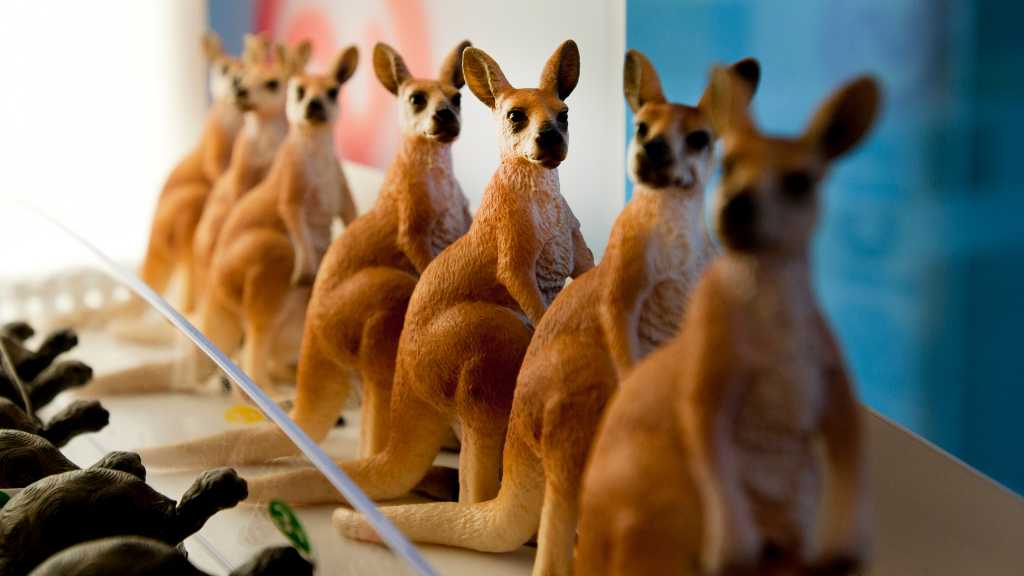
Toys lined up in sequence, repetitive behaviors in toddlers and autism signs

Studies by the University of North Dakota examining early childhood behavior patterns also indicate that these repetitive actions can emerge before more obvious social or communication differences become clear. 

What You Can Do if You’re Noticing your Toddler Lining up Toys

If you’re seeing your toddler lining up toys frequently and wondering what it means, you don’t have to wait or guess. There are practical steps you can take now.

  1. Observe Patterns, not Isolated Moments

Look at the bigger picture. How does your child communicate, play, and respond across the day?

  1. Gently Expand Play

Join your child in their activity instead of interrupting it. Add small variations—like turning a line into a “train” or introducing simple pretend play.

  1. Encourage Interaction

Position yourself within their play space. Narrate what they’re doing and invite shared attention without pressure.

  1. Seek a Developmental Screening

Early screenings can identify whether behaviors fall within typical development or suggest further evaluation.

Early identification matters. Research consistently shows that intervention during the toddler years leads to stronger developmental outcomes, particularly in communication and adaptive skills. 

How ABA Therapy Supports Toddlers with Repetitive Behaviors

When a toddler lining up toys is associated with autism, therapy doesn’t aim to “stop” the behavior—it aims to expand the child’s skill range.

Applied Behavior Analysis (ABA) focuses on:

  • Increasing communication (verbal or nonverbal)
  • Building flexible play skills
  • Supporting social engagement
  • Reducing distress around changes

Instead of removing repetition, ABA helps children use it as a bridge toward broader learning.

For example, a therapist might:

  • Join the child in lining up toys
  • Introduce turn-taking within the activity
  • Gradually expand the play into interaction

This approach respects the child’s current behavior while opening new developmental pathways.

When to Trust Your Instincts

If you keep coming back to the same question—“Is this normal?”—that question matters.

Parents often notice early differences in toddler behavior, such as lining up toys, before anyone else. That awareness is not overreacting; it’s informed observation.

You don’t need certainty to take action. You just need enough concern to explore further.

Support is Available—And Early Action Makes a Difference

Watching your child develop can bring both joy and uncertainty. If your toddler lining up toys has you questioning what’s typical, you’re not alone—and you don’t have to navigate it on your own.

At ABA Centers of America, families have access to:

  • Comprehensive diagnostic evaluations
  • Early intervention programs tailored to toddlers
  • Evidence-based ABA therapy focused on real-life skills

A simple evaluation can provide clarity—and if support is needed, starting early can make a meaningful difference in your child’s development.

If you’re noticing patterns, asking questions, or feeling unsure, reaching out is a strong next step.

Call ABA Centers of America at (844) 923–4222 or connect online!

Discover how our autism treatment services can help you.

Get Social With Us

Related Posts

kid experiencing anger rumination in autism while mother try to comfort her

Anger Rumination and Autism: 7 Strategies to Help with Mental Regulation

Learn how anger rumination affects autism and discover practical strategies to manage autistic rumination and improve emotional regulation.
Read More →
Virtual Autism Diagnosis

Virtual Autism Diagnosis: A New Era of Remote Autism Evaluations

If you're wondering, “How does virtual autism diagnosis work?” This blog will tell you everything you need to know about online autism assessment, its benefits, ...
Read More →
A boy with autism acting out

Why Does Your Child with Autism Act Out? 10 Critical Reasons

Table of Contents How to deal with an autistic child acting out? Does your child with autism act out frequently? Or maybe the behavior doesn’t ...
Read More →
Toddler sitting with back turned, toddler not responding to name

Toddler Not Responding to Name: What Every Parent Needs to Know

If your toddler is not responding to their name, it can raise important questions. Discover what this behavior may signal, when it’s typical, and how ...
Read More →
Scroll to Top