

Why Play-Based ABA Therapy Matters for 2-Year-Olds
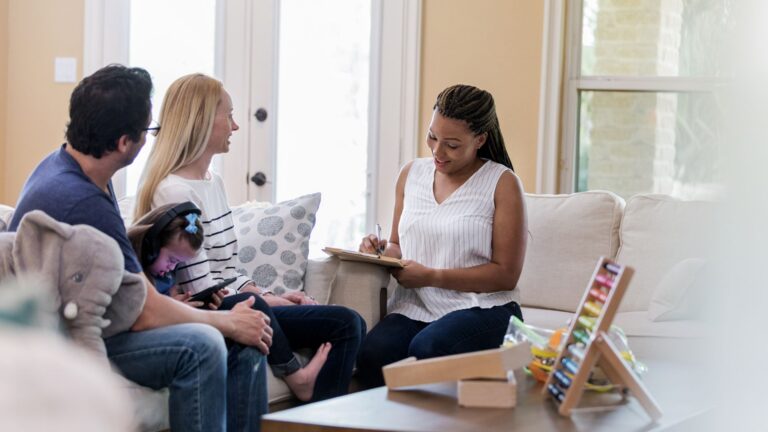
Two-year-olds learn with their whole bodies. They point, reach, climb, dump, stack, spin, laugh, protest, repeat, and explore. For toddlers with autism, these play moments can also reveal important developmental needs. A child may not yet be able to use words to request a toy. They may prefer solitary play. They may struggle when a favorite activity ends. They may not imitate another person’s actions or notice when a parent tries to join.
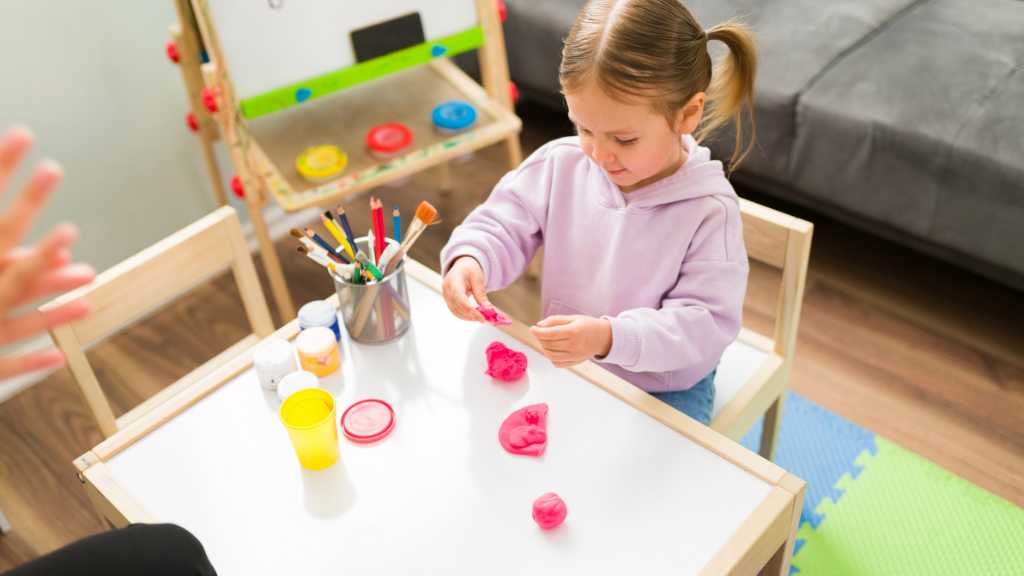
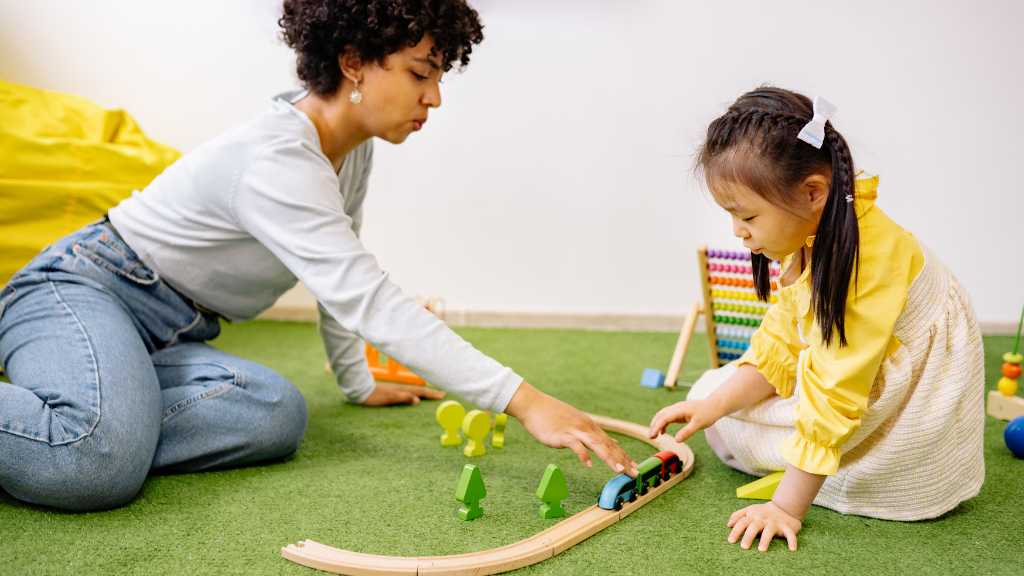
Play-based ABA therapy uses those natural moments as teaching opportunities. Instead of pulling a child away from what interests them, a therapist may join the activity and shape it into a learning experience. If your toddler loves bubbles, the therapist might pause before blowing more bubbles to encourage eye contact, a gesture, a sound, a word, or a picture exchange. If your child loves blocks, the therapist may use block play to practice turn-taking, requesting “more,” matching colors, following simple directions, or tolerating small changes.
This approach aligns with the idea that modern play-based ABA can weave skill-building into activities children already enjoy. The goal is not to make therapy look like “just playing.” The goal is to make play purposeful, responsive, and connected to measurable progress.
Understanding the Benefits of Play-Based Therapy for Autism
Research on play-based support for autism continues to grow, helping explain why play can be such a useful pathway for early learning. A study published in Frontiers in Public Health examined children with autism who received routine rehabilitation with or without an additional creative play intervention. The group that received the play-based intervention showed greater improvements in social responsiveness, caregiver-reported autism-related outcomes, fine motor skills, hand-eye coordination, cognitive performance, and verbal cognition after 12 weeks.
This matters because play-based therapy for autism often targets the exact areas families notice at home. A parent may not describe their concern in clinical language. They may say, “My child does not bring me toys,” “They get upset when I change the game,” or “They do not copy me when I clap.” In therapy, those observations can become goals related to joint attention, imitation, communication, flexibility, and social engagement.
ABA Therapy and Play: What a Session May Look Like
Parents often ask what ABA therapy and play actually look like for a toddler. The answer depends on the child’s goals, strengths, sensory needs, communication level, and interests. However, a session may include several common elements.
A therapist may begin by observing what your child chooses. Does your toddler reach for cars, blocks, a swing, books, music, or sensory toys? The therapist then joins the activity in a way that builds trust. Once your child feels engaged, the therapist creates small opportunities to practice a target skill.
For example, during pretend kitchen play, your child may practice requesting food items, labeling objects, copying actions like stirring, waiting for a turn, or giving a toy plate to another person. During a ball activity, your child may practice “ready, set, go,” eye contact, motor imitation, following one-step directions, or asking for help. During a puzzle, your child may practice persistence, matching, problem-solving, or tolerating a missing piece.
ABA therapy and play also include reinforcement. Reinforcement does not always mean a sticker or snack. In play-based sessions, the reward can be natural: more bubbles, another turn, a silly sound, a favorite song, a high-five, or the toy continuing. This helps children connect communication and participation with something meaningful.
How Play Builds Communication
Communication does not begin with full sentences alone. For a 2-year-old, communication may look like reaching, pointing, handing an item to an adult, using a picture, making a sound, signing, saying one word, or combining words. Play-based ABA therapy can support each of these steps.
A therapist may hold a favorite toy briefly and wait for your child to request it. They may model a simple word like “car,” “go,” or “more.” They may accept a gesture first, then gradually shape more advanced communication as your child is ready. The goal is not to force language. The goal is to make communication useful, rewarding, and connected to real needs.
This is one reason play-based therapy for autism can be especially helpful for toddlers. When a child wants the toy, the swing, the song, or the next turn, they have a natural reason to communicate. Therapy can build from that motivation.
How Play Supports Social Skills and Emotional Regulation
Many parents want to know how their child will benefit beyond words. Play-based ABA therapy can also support social connection and emotional regulation.
During play, toddlers can practice noticing others, sharing space, taking turns, copying actions, and following simple social routines. A therapist may use rolling a ball back and forth, stacking blocks together, singing a familiar song, or playing peekaboo to encourage shared attention.
Play also creates safe opportunities to practice frustration tolerance. A therapist may introduce a small delay, offer a choice, change a routine slightly, or help a child ask for help rather than melt down. These moments stay gentle and individualized. The goal is not to remove every challenge. The goal is to help your child build coping skills with support.
In ABA therapy and play, the therapist watches closely: What overwhelms the child? What motivates them? What helps them recover? What can parents use later at home? These details help turn therapy into a plan that fits the child, not a script the child must fit.
Parent Support: Carrying Skills Into Daily Life
Your child does not learn only during therapy hours. They learn during breakfast, bath time, diaper changes, bedtime routines, playground visits, car rides, and sibling play. Parent involvement helps skills move from the therapy setting into real life.
With coaching, parents can learn how to use play-based ABA therapy strategies in simple ways:
- Pause during a favorite activity to encourage a request
- Offer two choices to support communication and independence
- Celebrate attempts, not only perfect responses
- Use short, clear language during play
- Practice the same skill across different toys, rooms, and routines
This consistency helps children generalize skills. A toddler who learns to request “more” during bubble play may later use the same skill during snack, music, or rough-and-tumble play. A child who practices turn-taking with a therapist may begin to tolerate small turns with a sibling or parent.
Why ABA Centers of America Uses Play With Purpose
At ABA Centers of America, we understand that families want therapy that feels effective and humane. Parents are not simply looking for a service. They are looking for guidance, reassurance, and a team that sees their child as a whole person.
Through play-based ABA therapy, our clinicians can create individualized goals while respecting how young children naturally learn. Sessions may look playful, but the work remains intentional. Therapists track progress, adjust strategies, and collaborate with families to ensure each child receives support tailored to their needs.
For toddlers, this can make early intervention feel more approachable. Play-based therapy for autism can help children practice communication, social engagement, imitation, play skills, flexibility, and early independence in ways that feel familiar and motivating. ABA therapy and play work together when therapists use behavioral science with warmth, creativity, and respect for the child’s developmental stage.
When Should Parents Seek Support?
If your 2-year-old has an autism diagnosis, is waiting for an evaluation, or shows developmental differences that concern you, you do not have to wait until everything feels clear. Early support can help families understand what their child needs and what next steps make sense.
You may consider reaching out if your child has difficulty using words or gestures, rarely responds to their name, struggles with transitions, shows limited pretend play, avoids interaction, has intense reactions to changes, or seems frustrated because they cannot communicate what they want.
These signs do not define your child’s future. They simply tell you that support may help.
Helping Your Child Learn Through Joy
Choosing therapy for your toddler takes effort, courage, and trust. You are trying to make decisions while managing your child’s appointments, emotions, questions, and everyday needs. That is a lot to carry.
Play-based ABA therapy can help make early intervention feel less intimidating by starting with something your child already understands: play. When therapists use play with purpose, children can build meaningful skills in moments that feel natural, warm, and engaging.
At ABA Centers of America, we support families through diagnostic testing, early intervention, and ABA therapy tailored to each child’s needs. If you are wondering whether play-based ABA therapy is right for your 2-year-old, our team can help you understand your options and take the next step with confidence.
Contact us at (844) 923-4222 or fill out our online form!